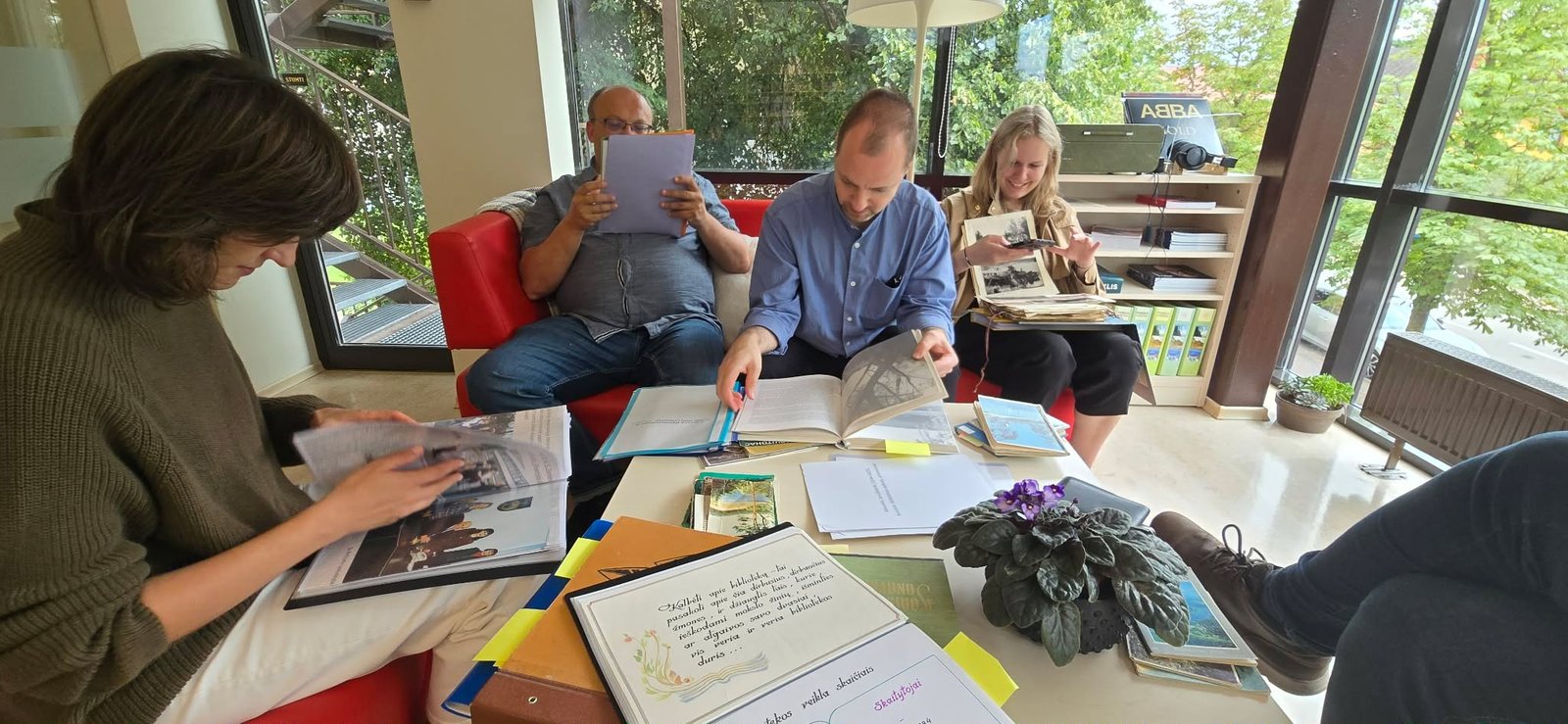
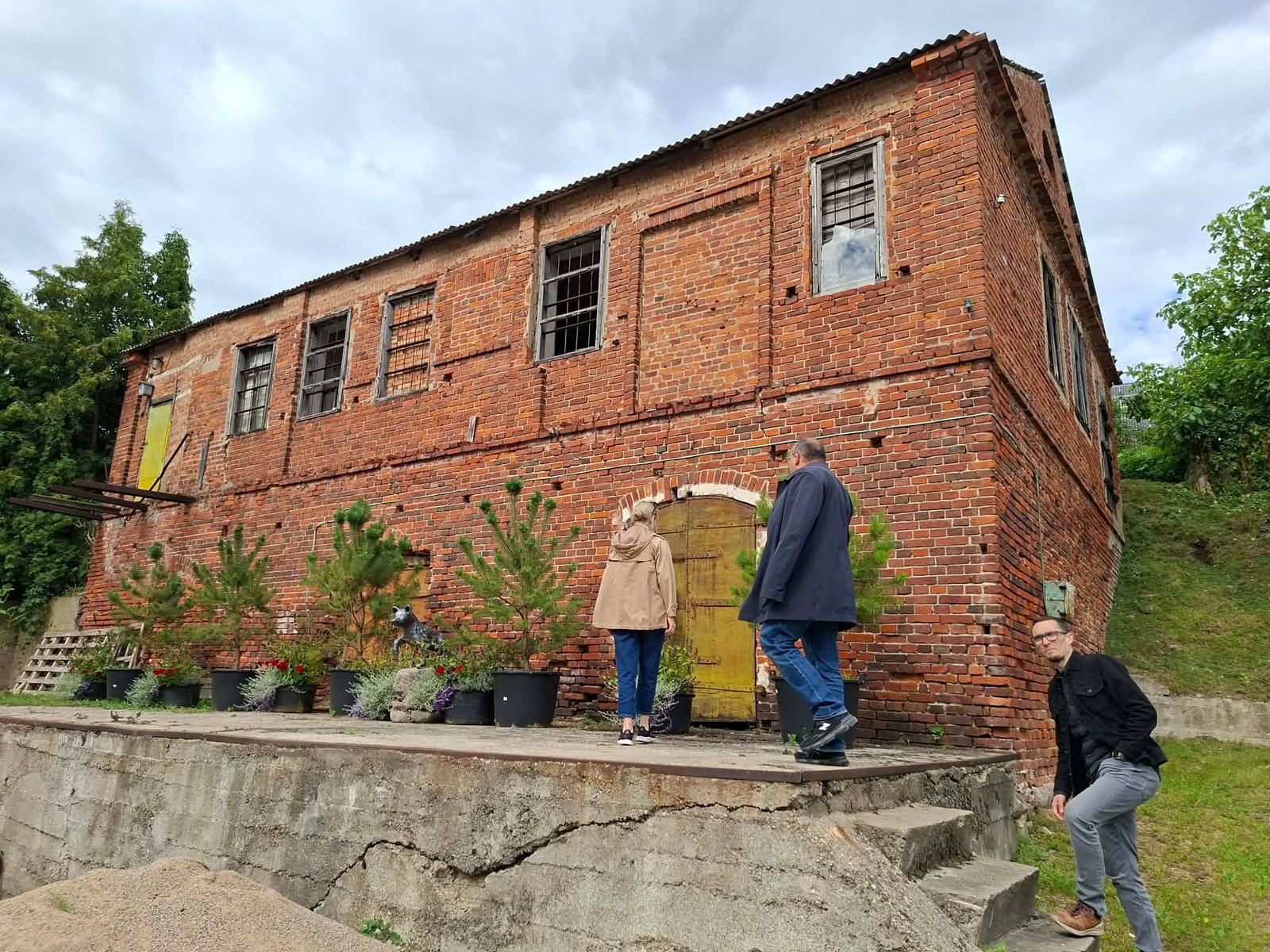
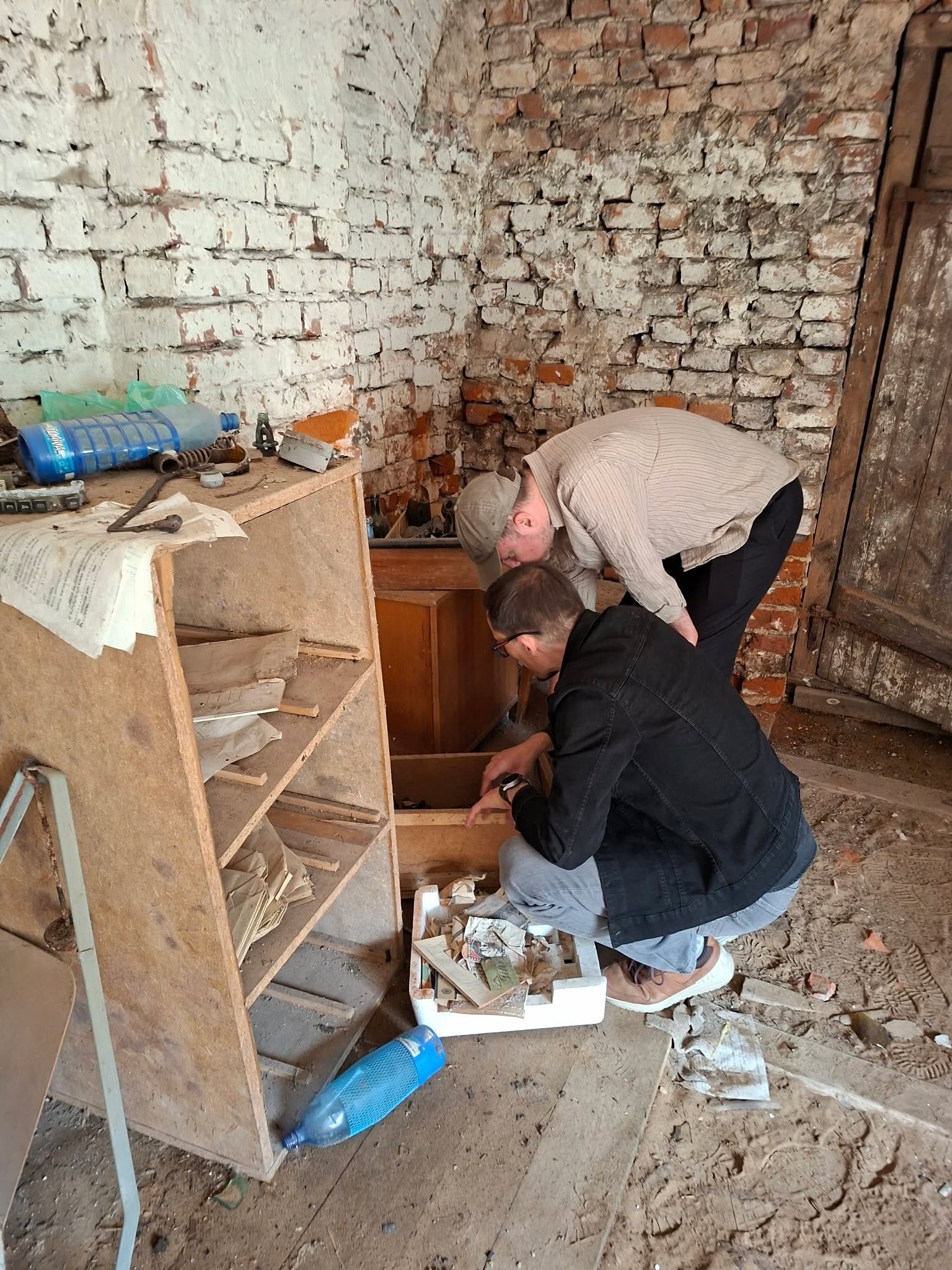
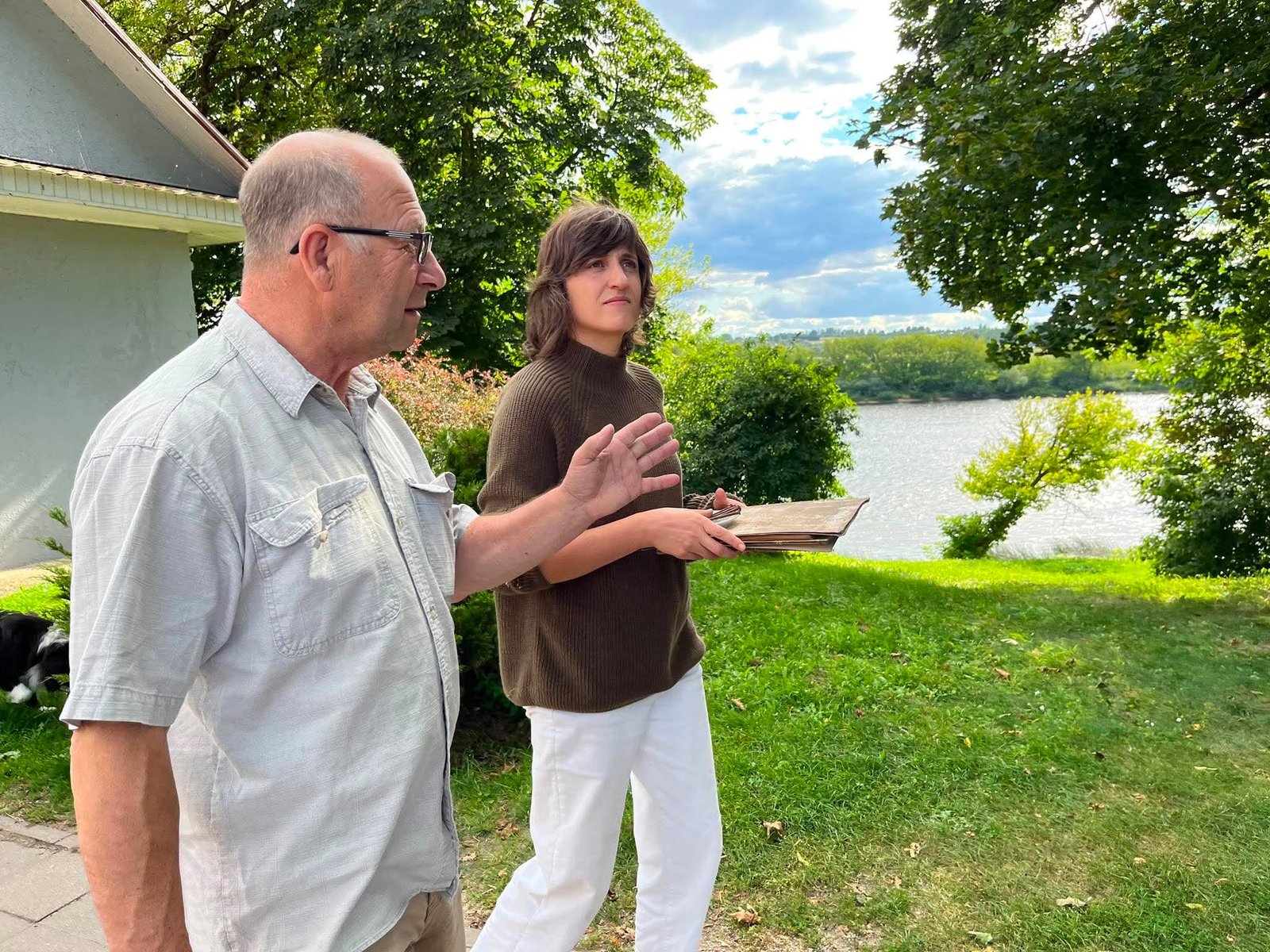
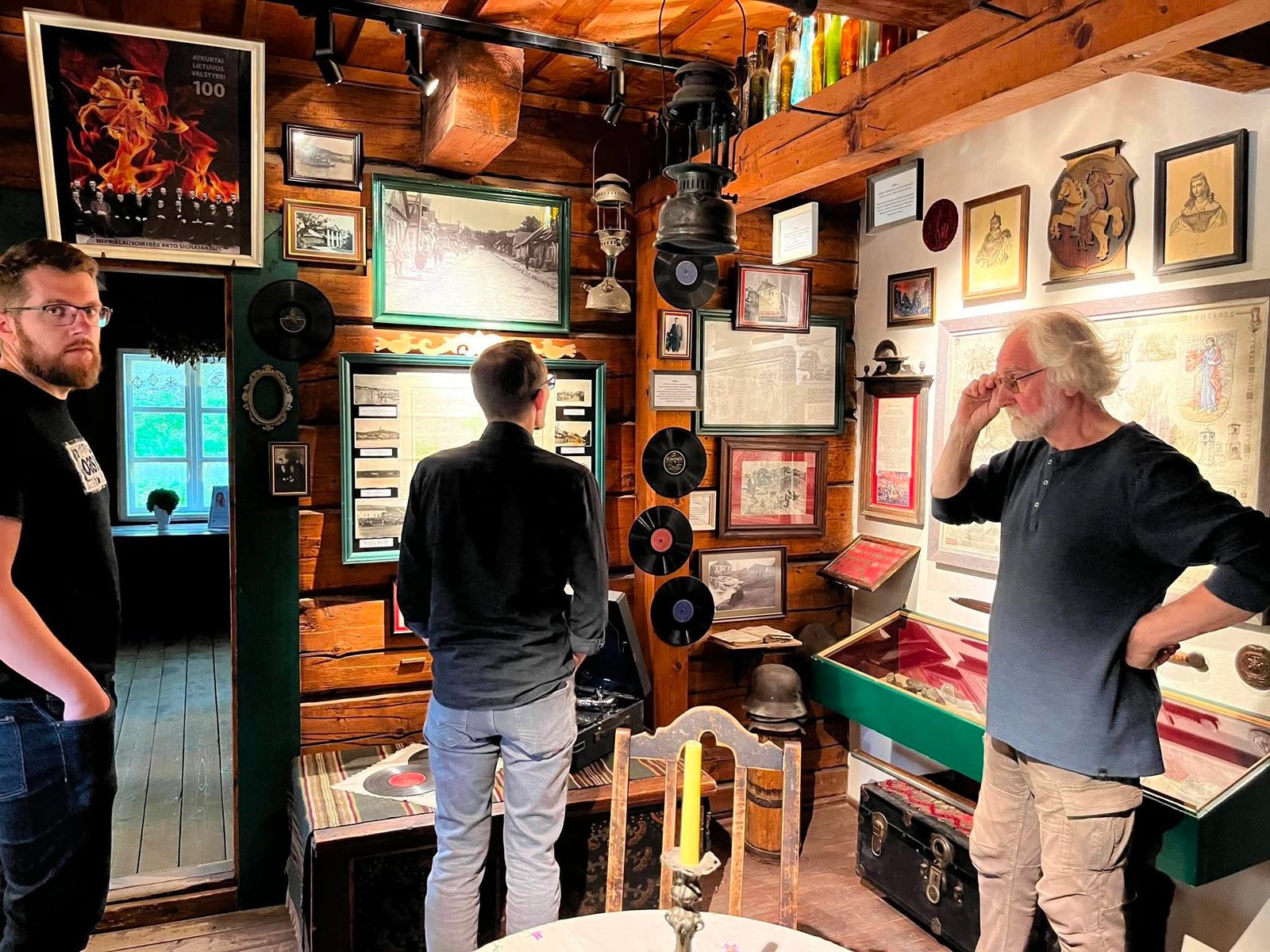
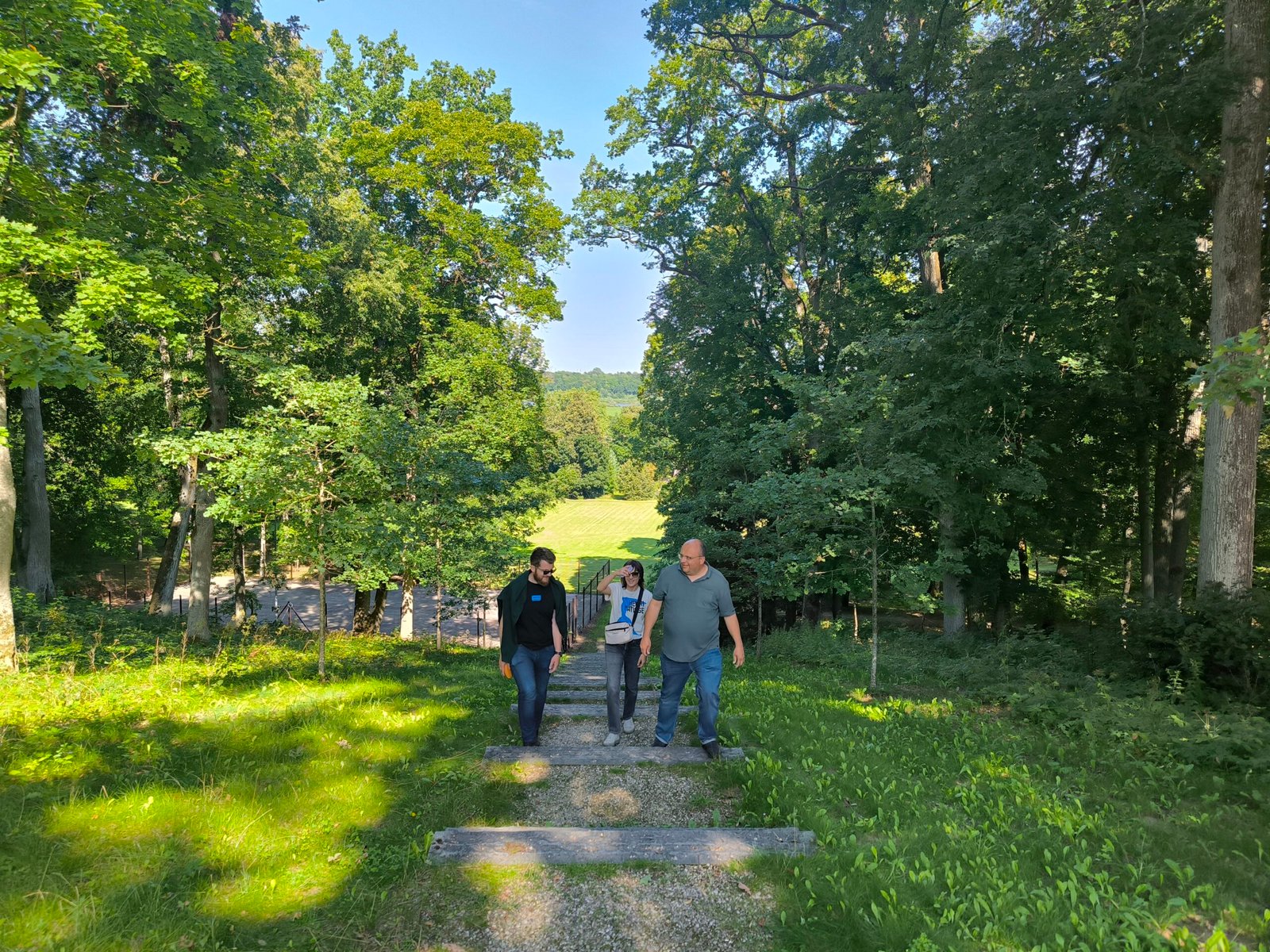
On 11–14 August, PAScapes historians went on a summer expedition along the Nemunas River.
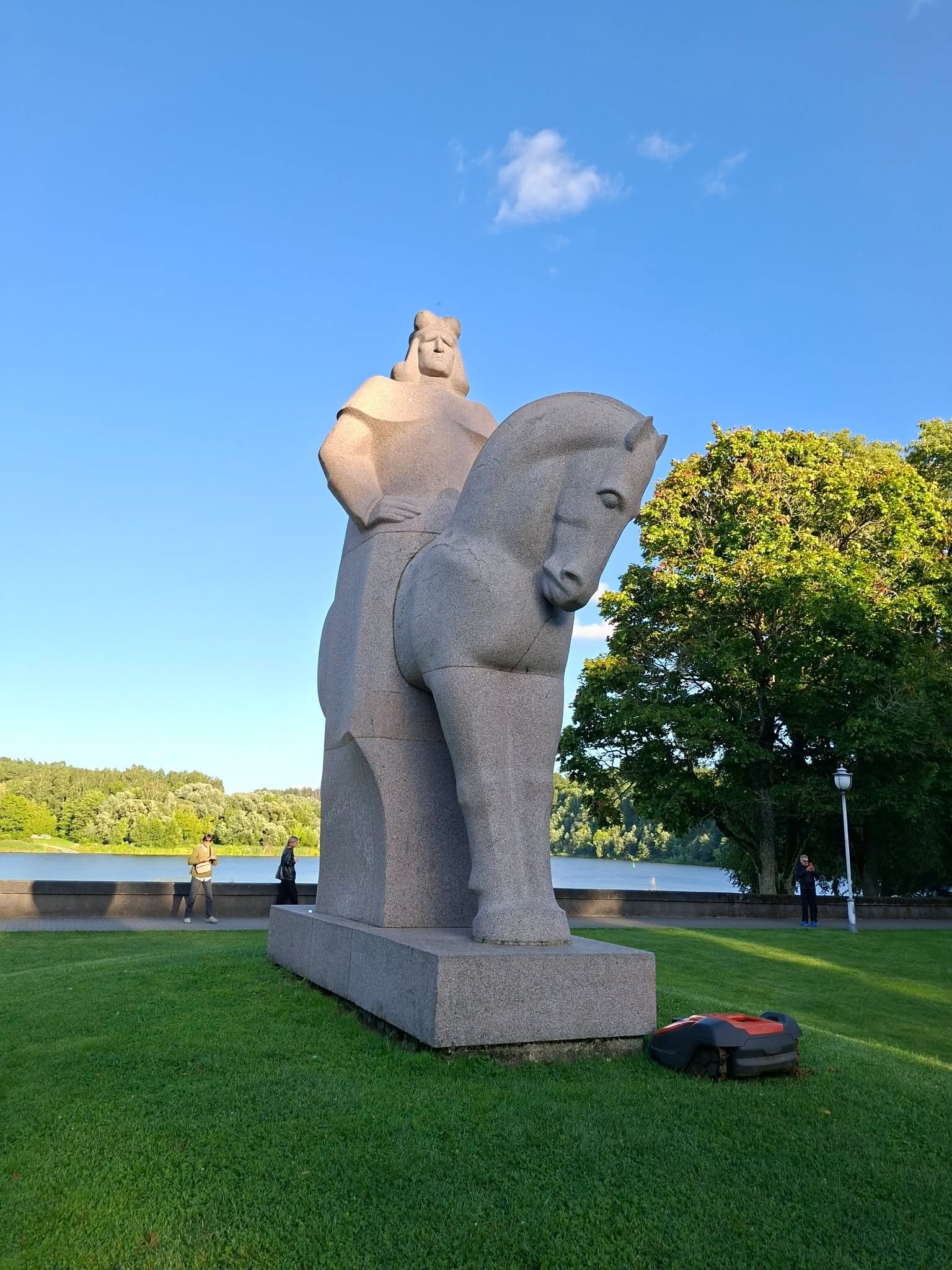
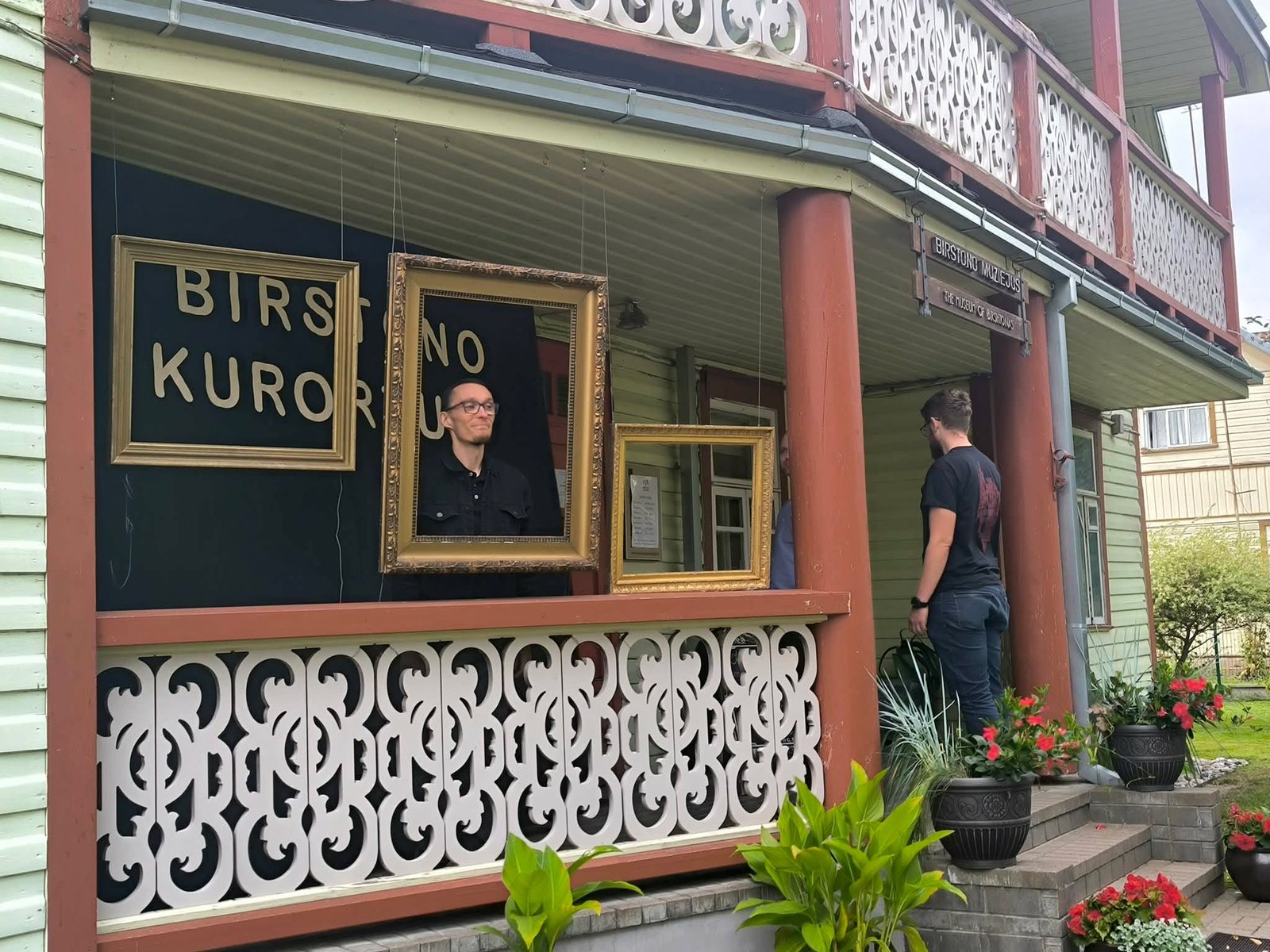
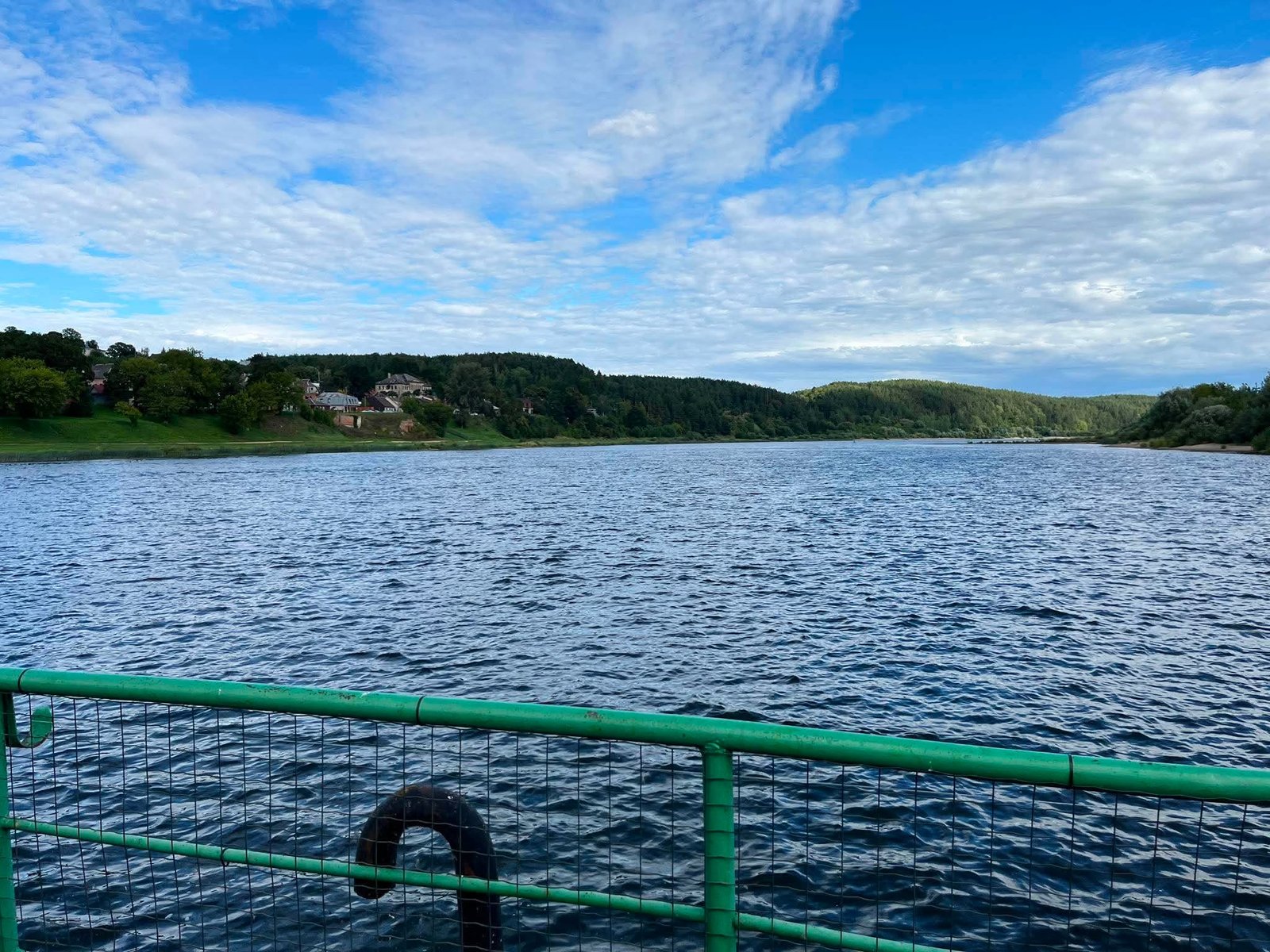
The first two days of the expedition took the team along the right bank of the Nemunas to Birštonas and Vilkija. In Birštonas, the team explored the story of Banginukas (“Little Whale”), an interwar sculpture-fountain that quickly became one of the town’s best-known symbols. Following the construction of the Kaunas Hydroelectric Power Plant, Banginukas disappeared beneath the waters of the Nemunas, becoming a striking reminder of how large-scale transformations have reshaped both the river landscape and local heritage.
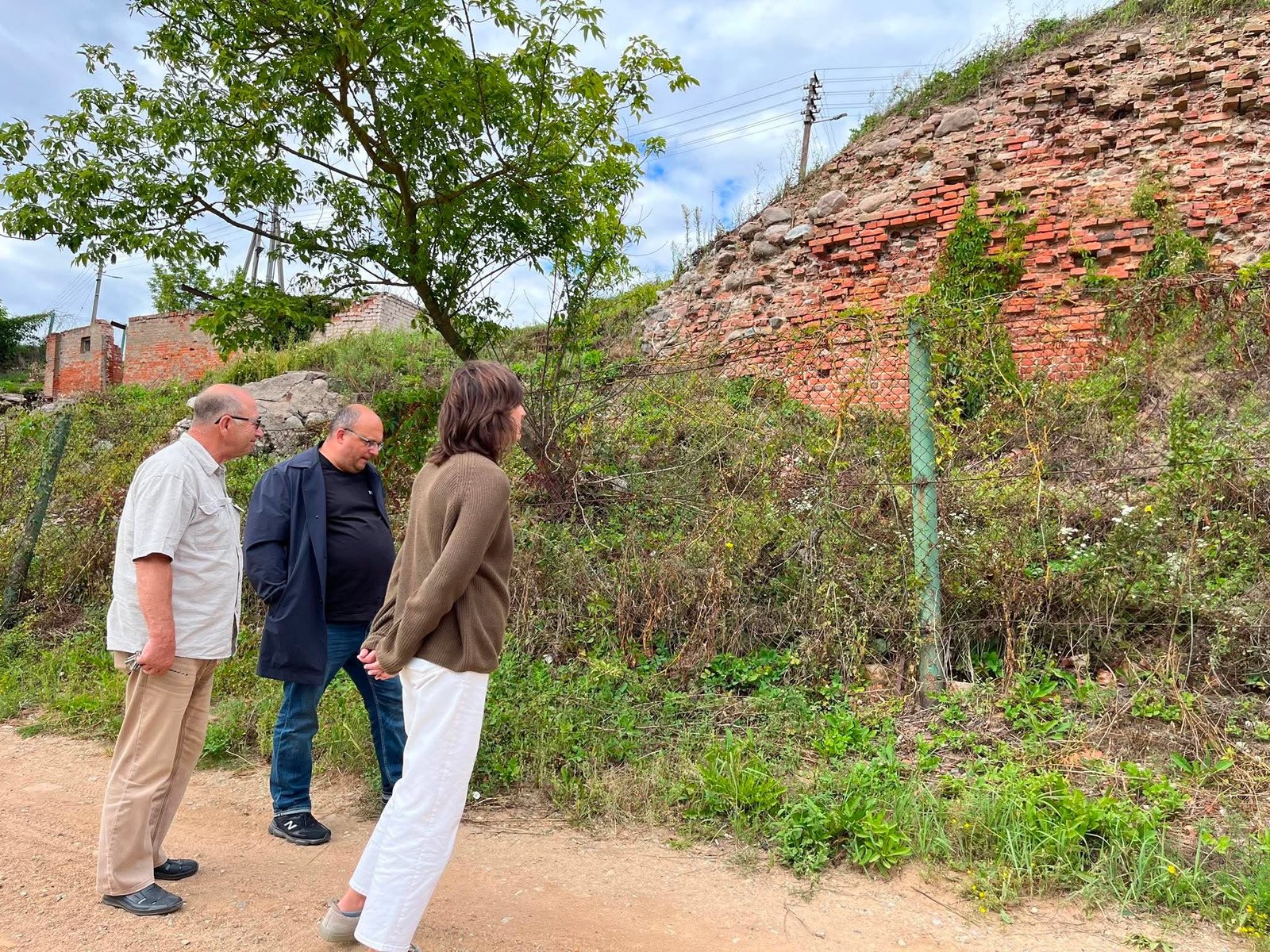
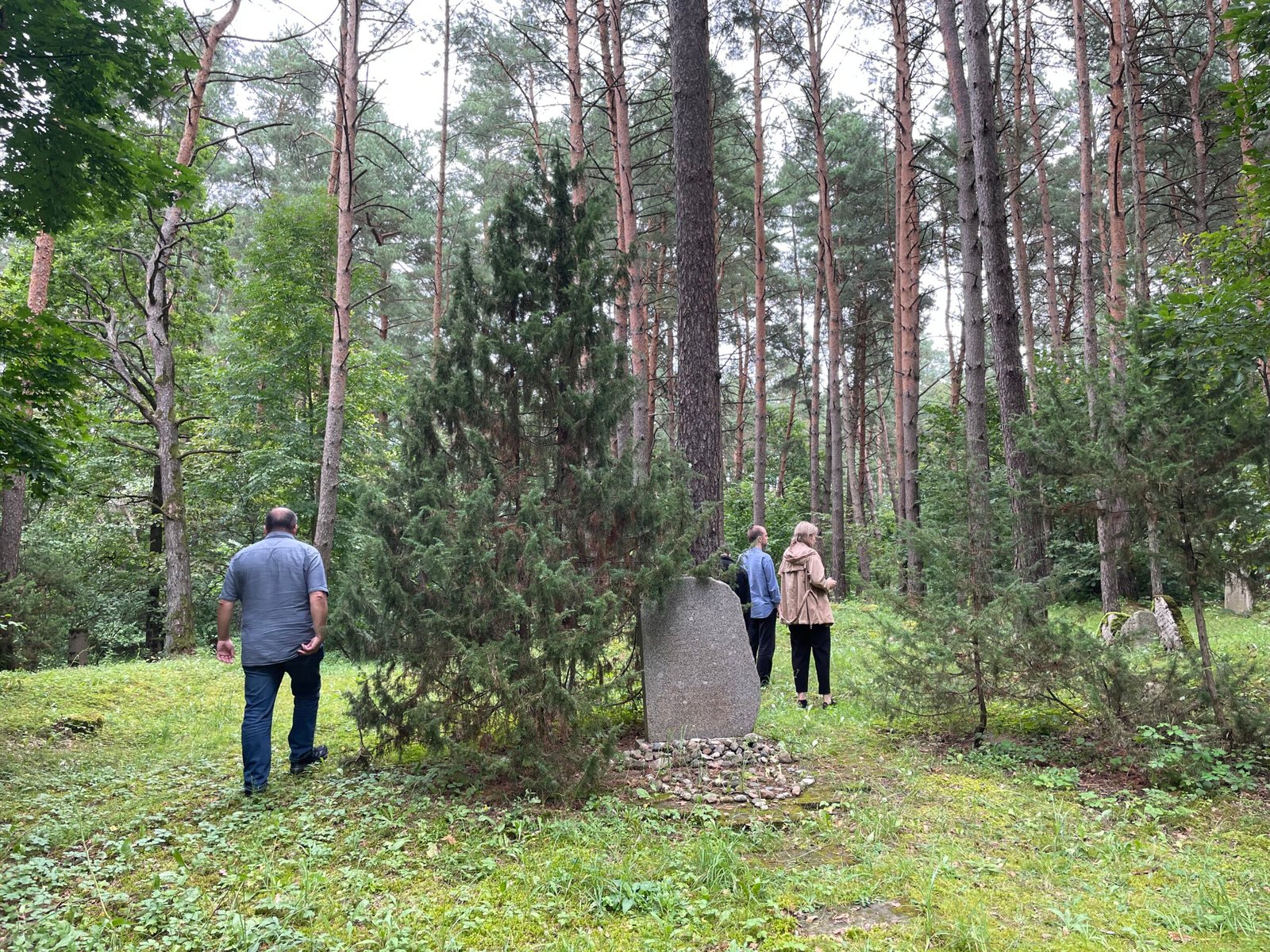
In Vilkija, the expedition focused on the history of the town’s Jewish community and the ways in which its memory has been preserved and transformed over time. Vilkija is one of the places where two themes central to the PAScapes project intersect: the transformations of the Nemunas world and the post-Holocaust landscape.
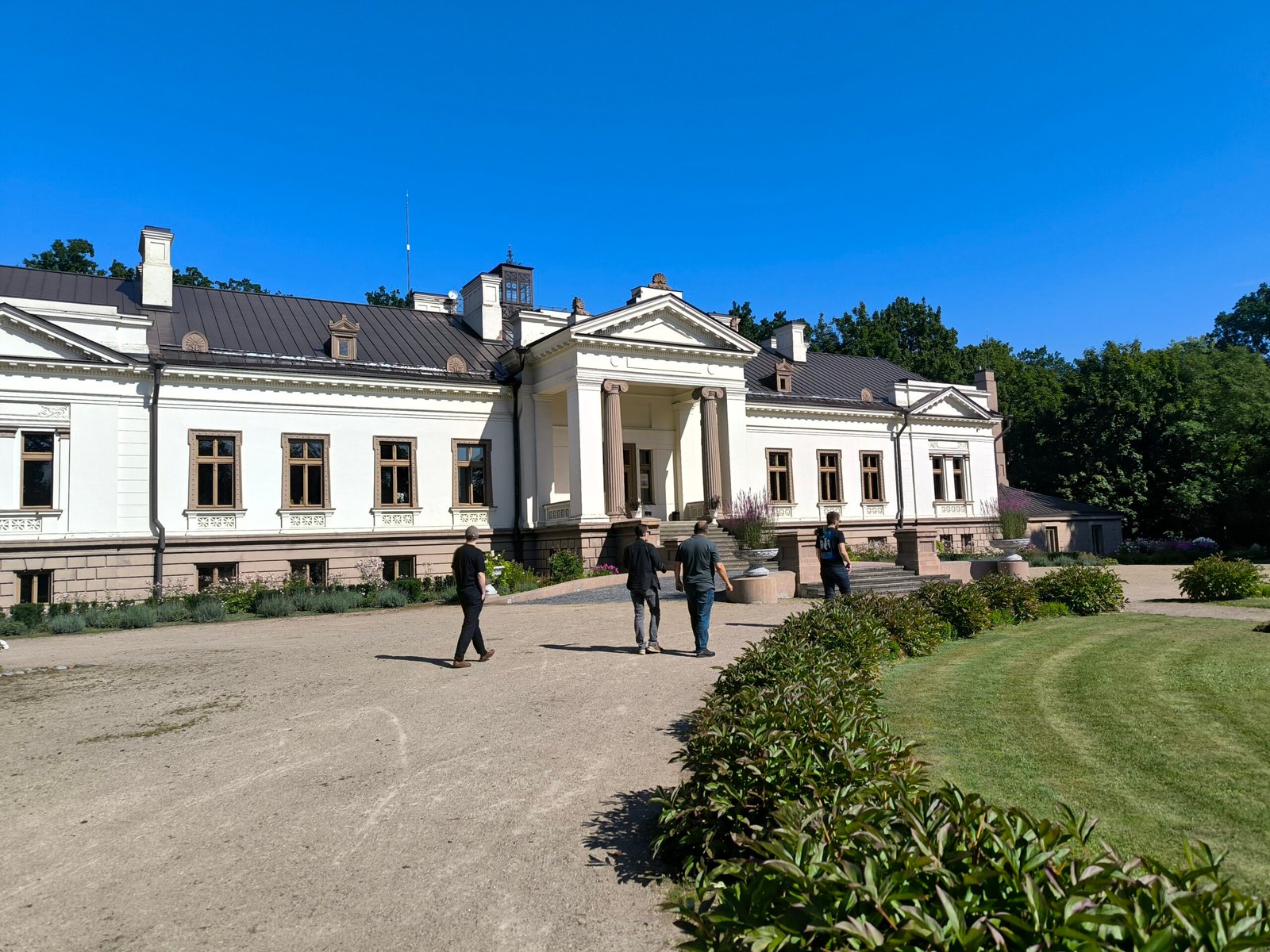
The following days took the team to the left bank of the Nemunas, a landscape dotted with historic manor estates that once served as important centres of local life. The research focused on the transformations these manors underwent during the interwar period and the Soviet era, tracing their changing roles within local communities.
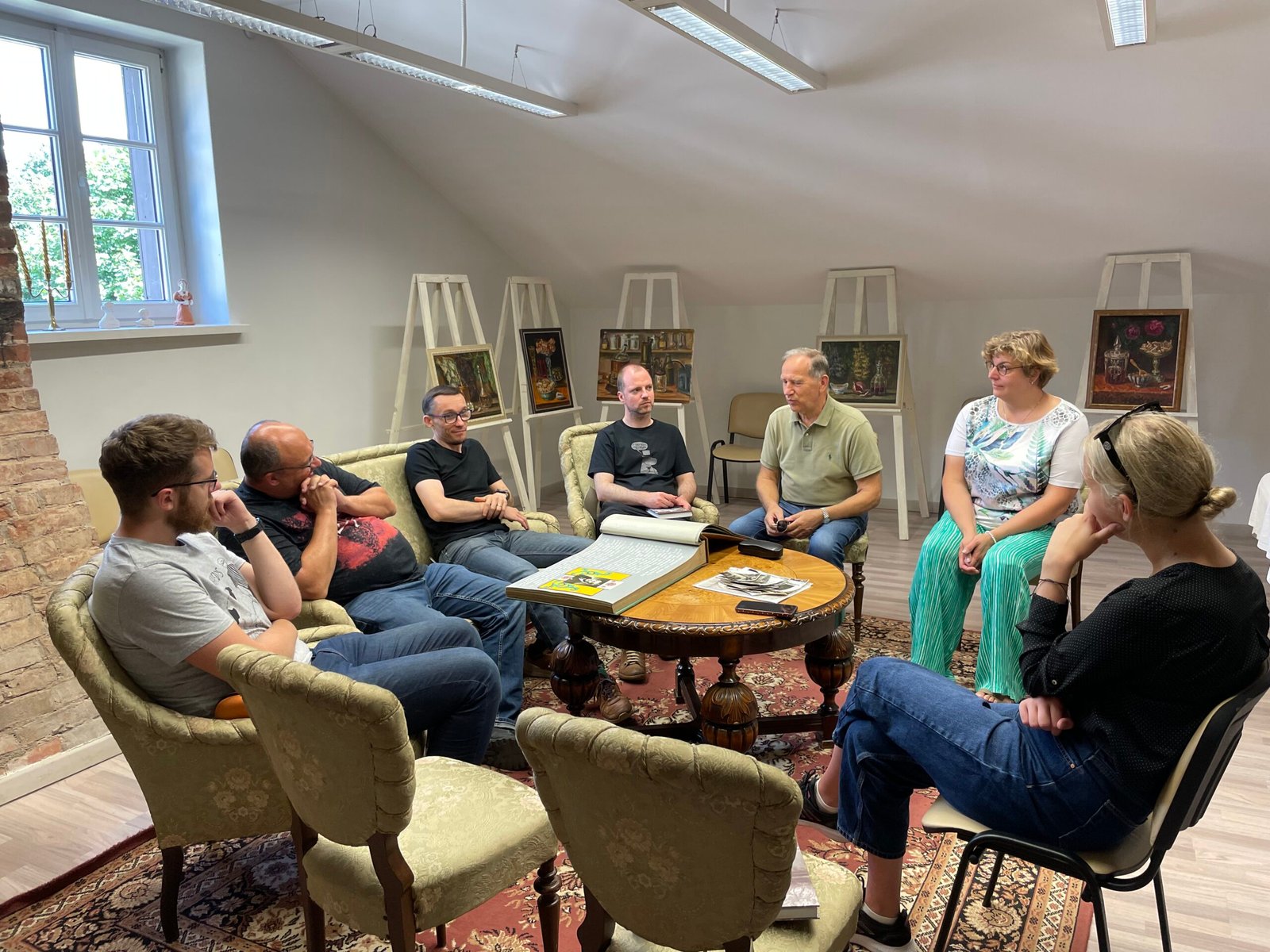
We are deeply grateful to the institutions and individuals who welcomed us and generously shared their knowledge and stories throughout the expedition. Our sincere thanks go to Birštonas Public Library and Birštonas Museum; to Arūnas Sniečkus, founder of the Antanas and Jonas Juška Museum of Ethnic Culture; and to Vilkija resident Algimantas Smolenskas, who generously shared his family’s story with us. We also thank Zanavykai Museum, Kiduliai local historian Vincas Kriščiūnas, Antanas Bajerčius, Birutė Pauliukienė of Kiduliai Manor, and our hosts at Gelgaudiškis Manor for their warm hospitality and invaluable contributions to our research.