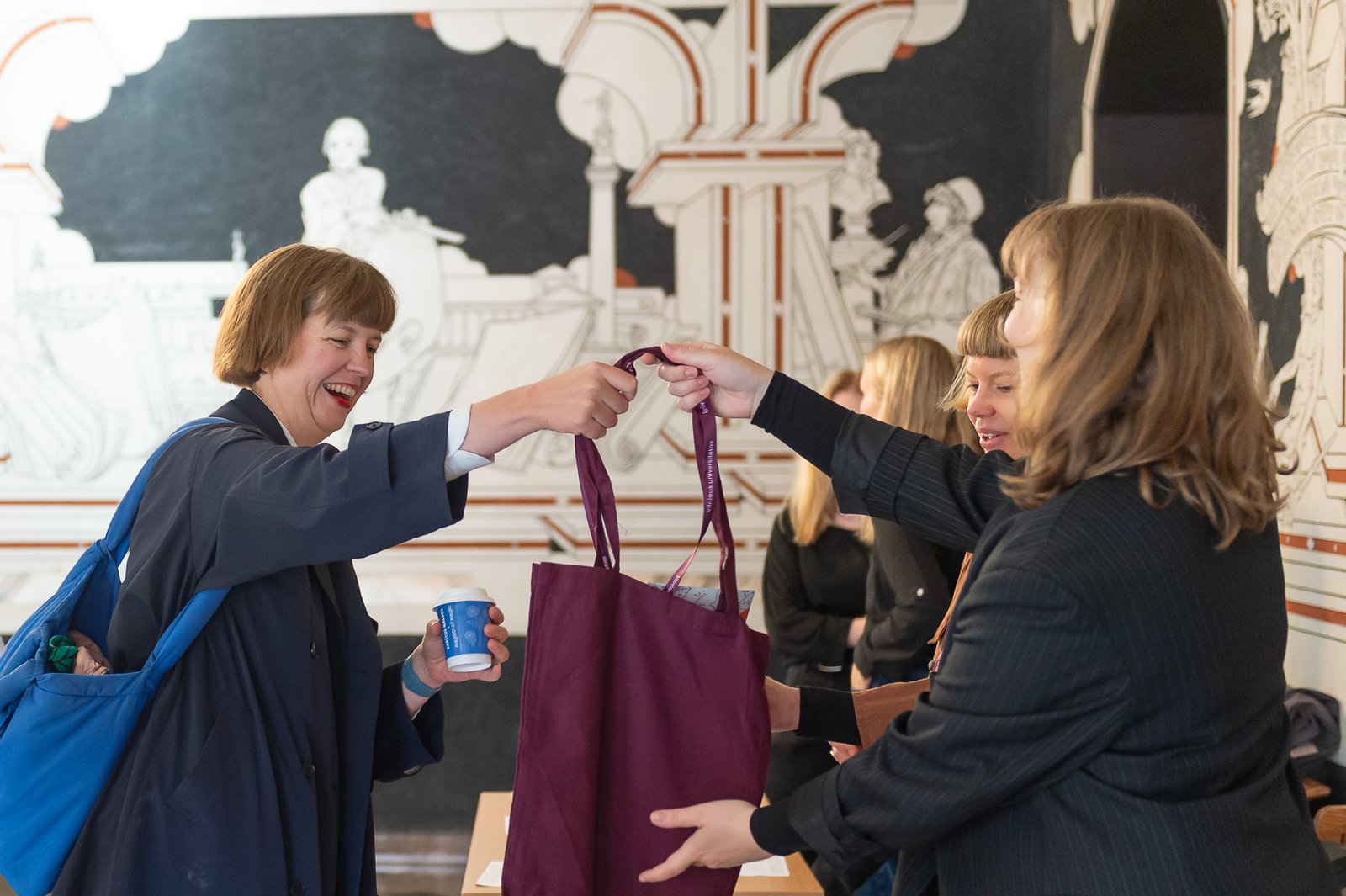
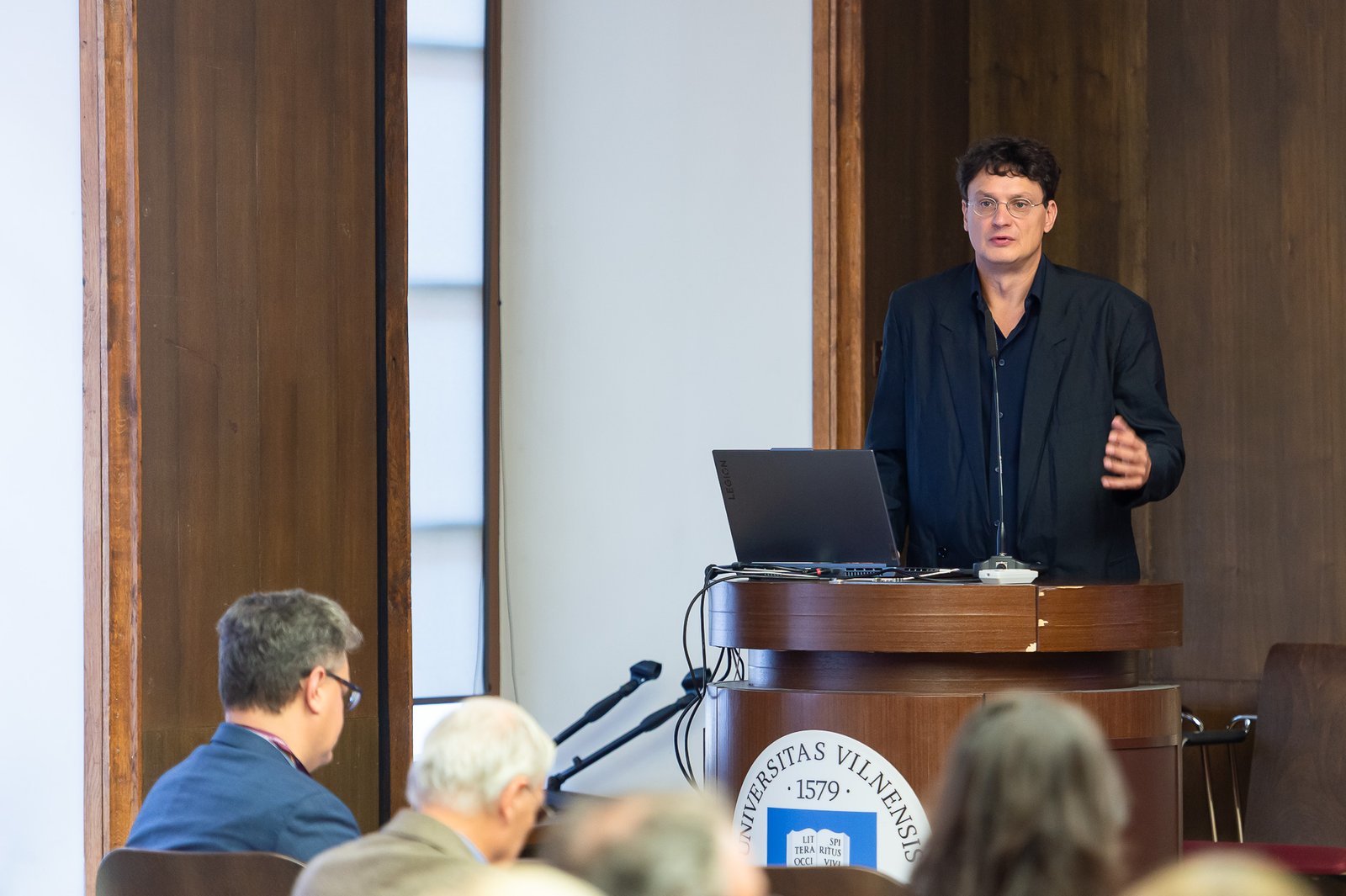
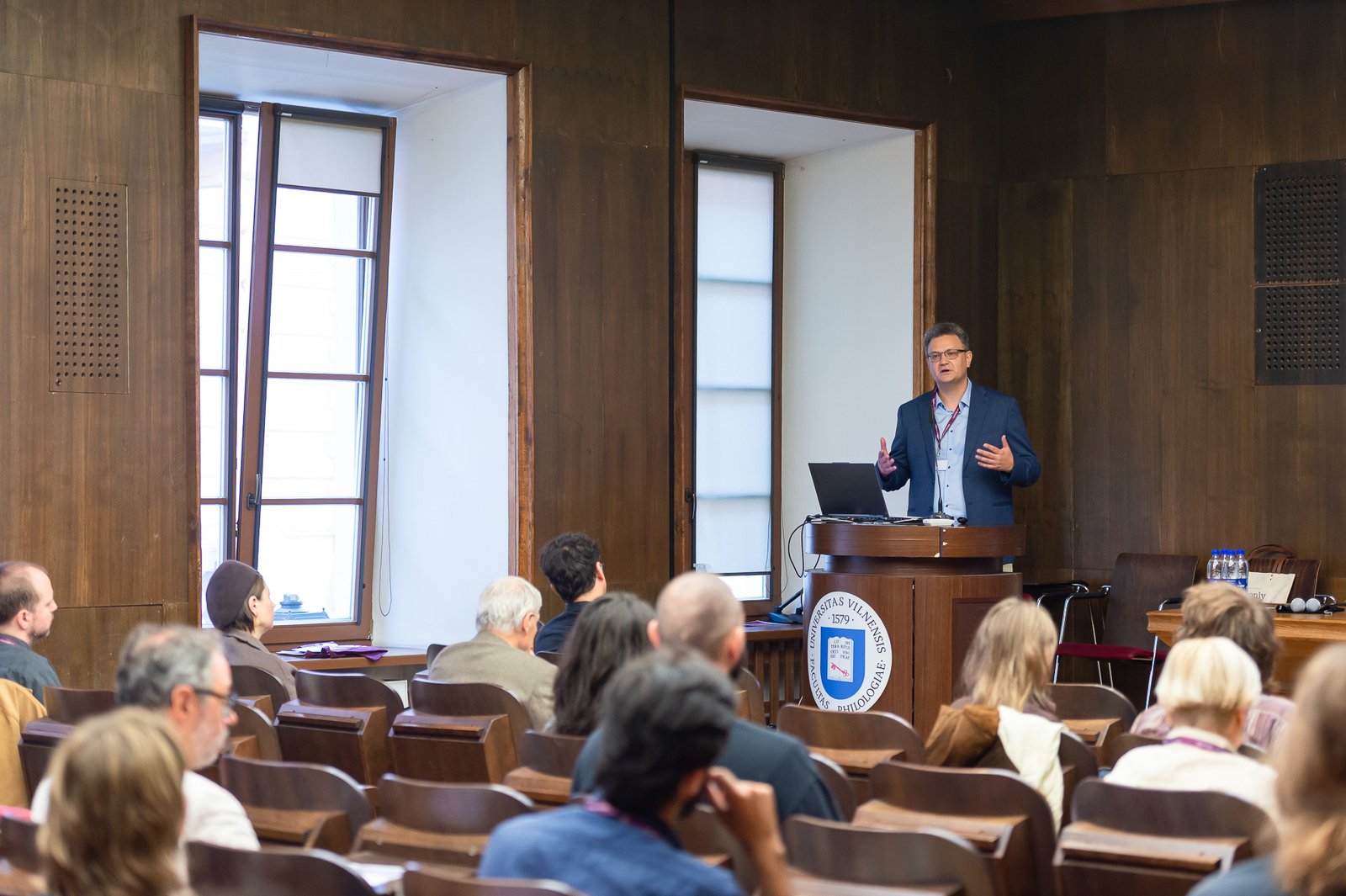
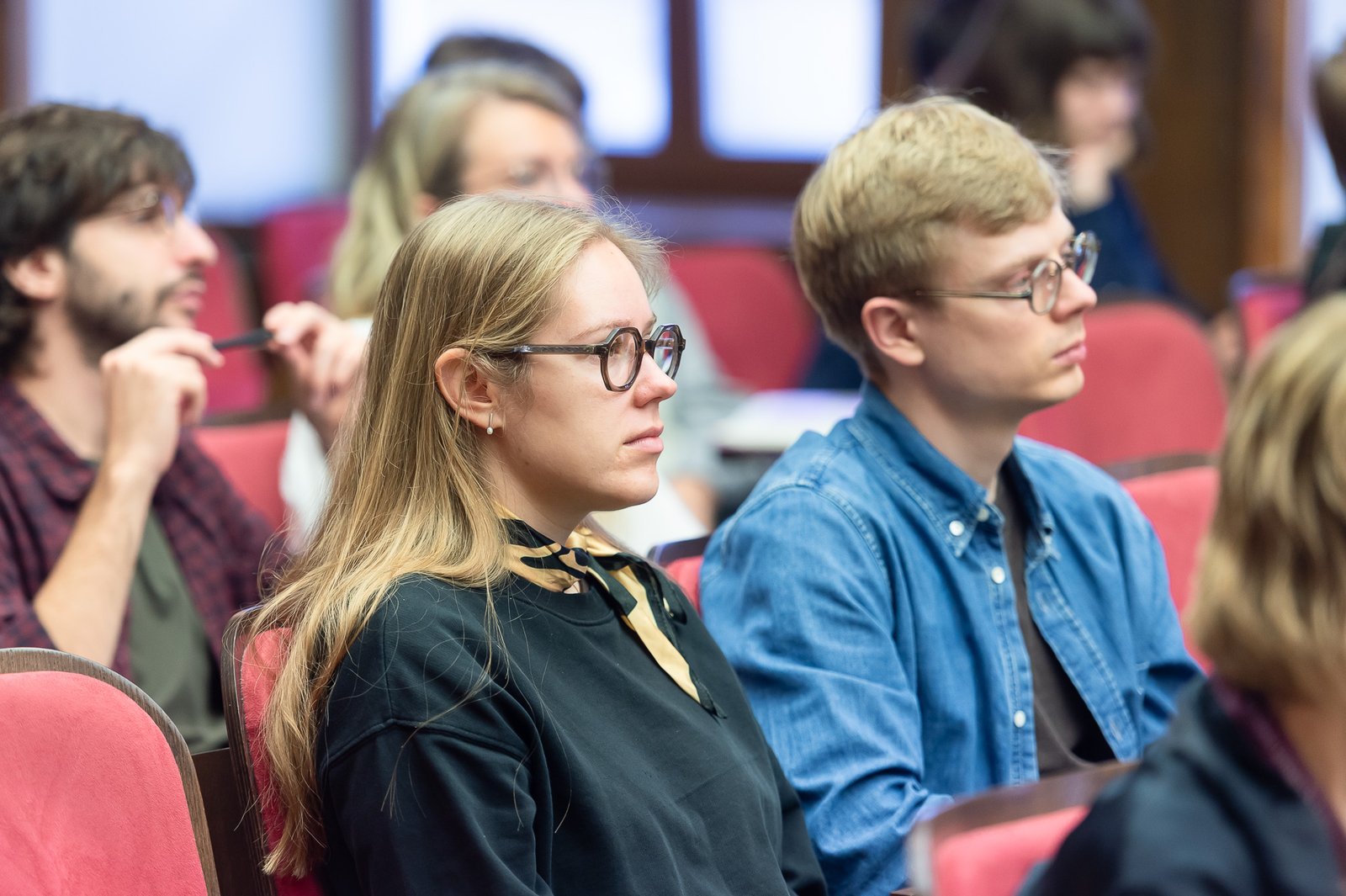
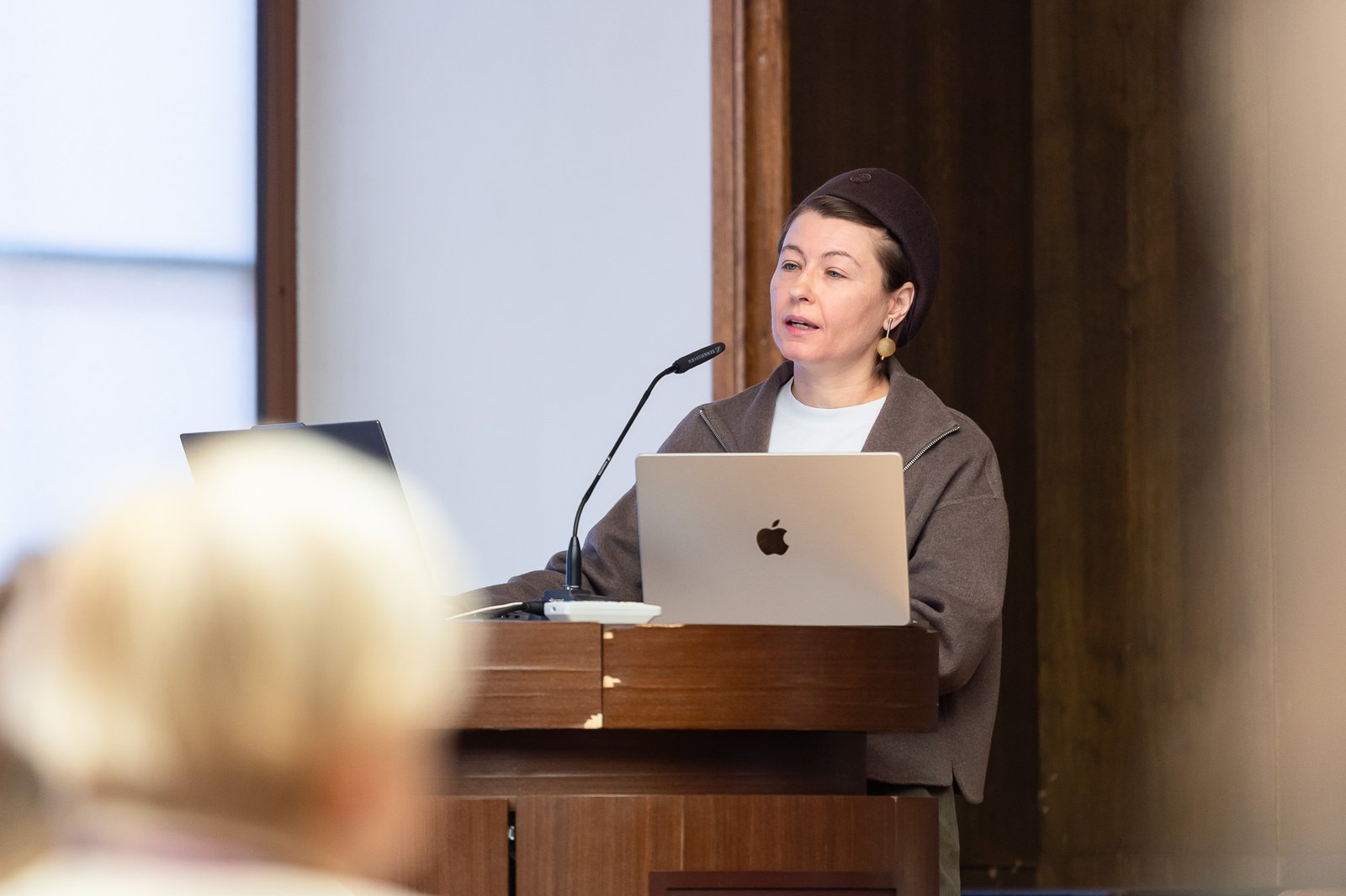
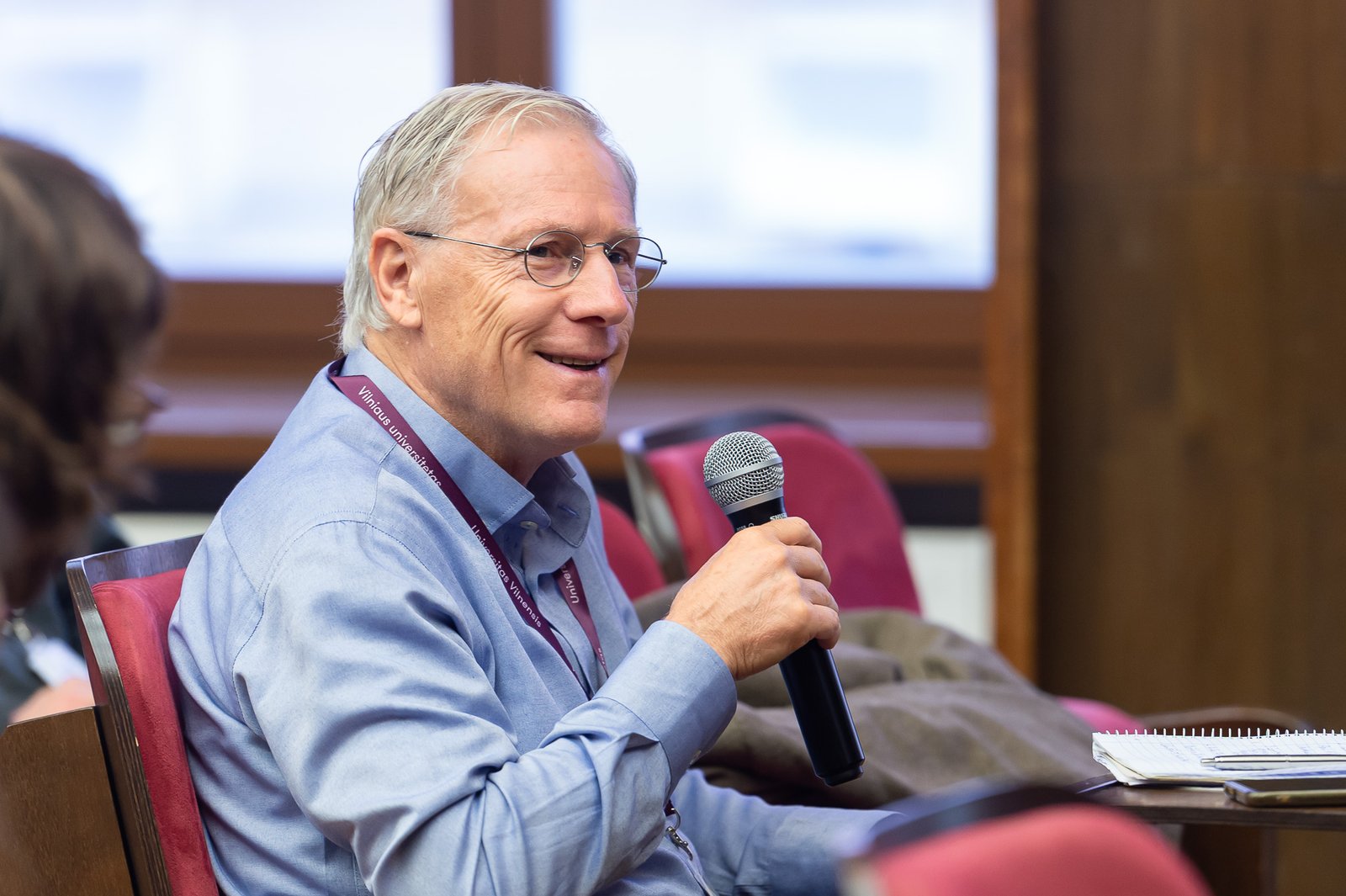
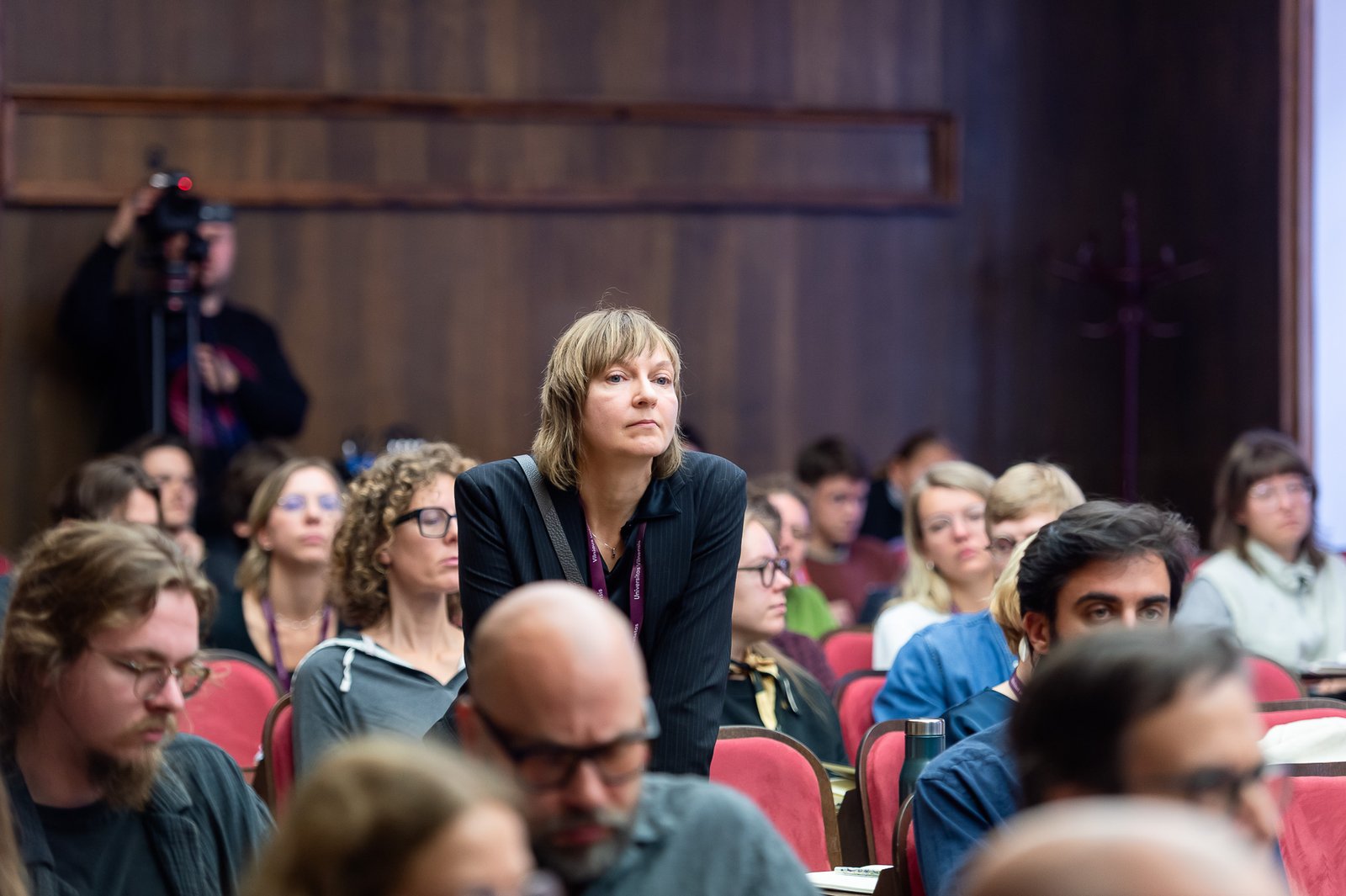
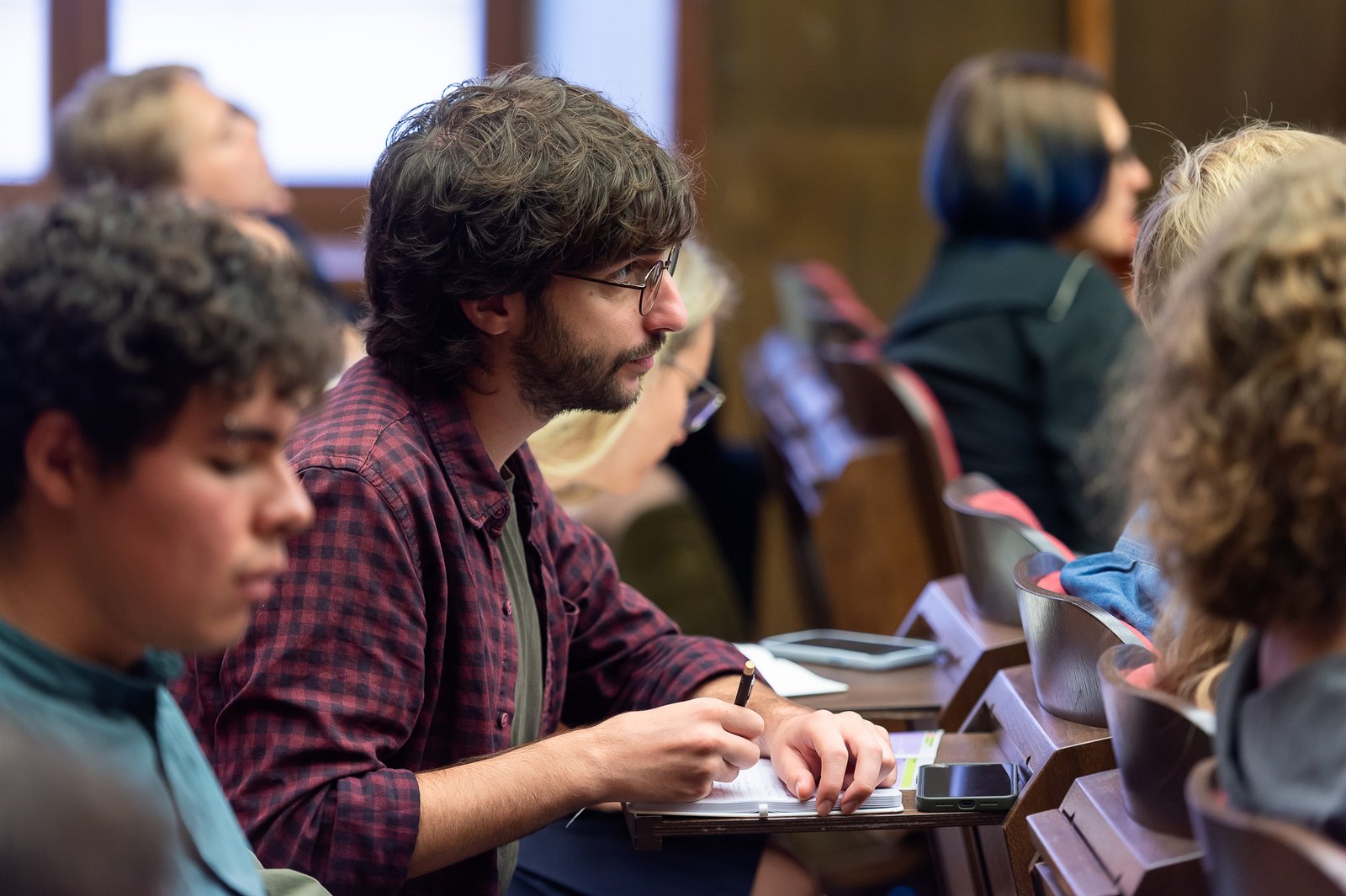
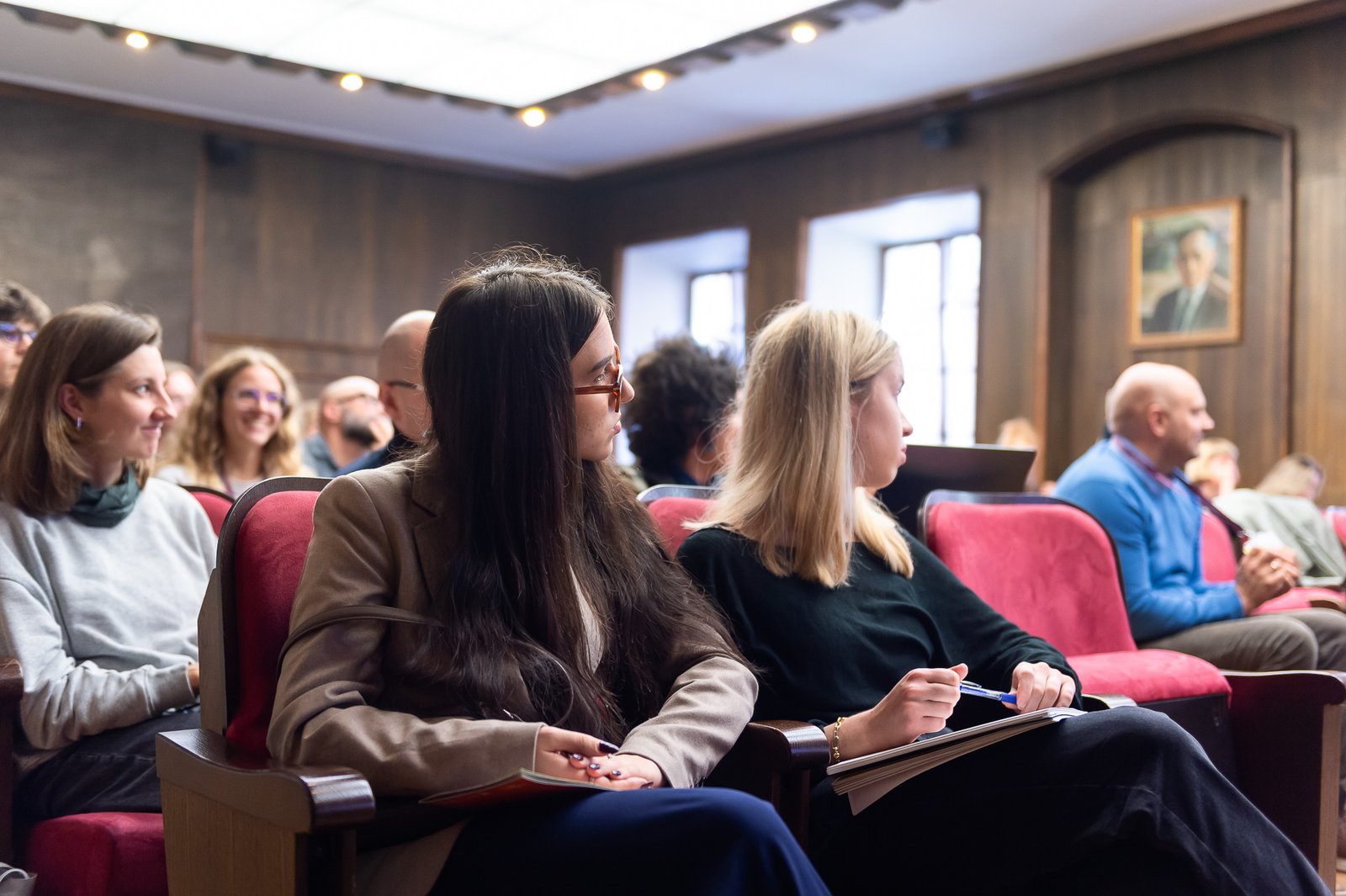
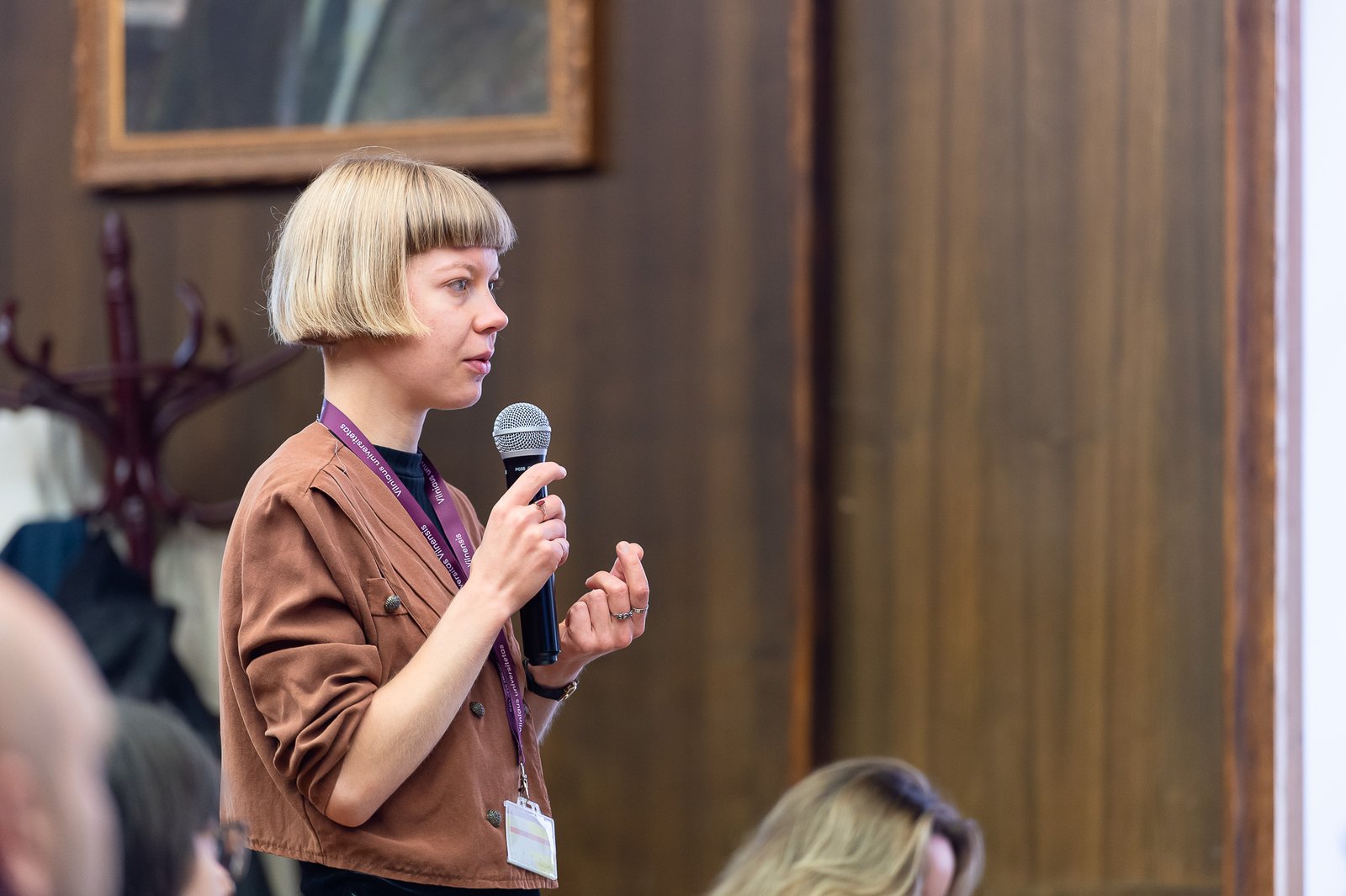
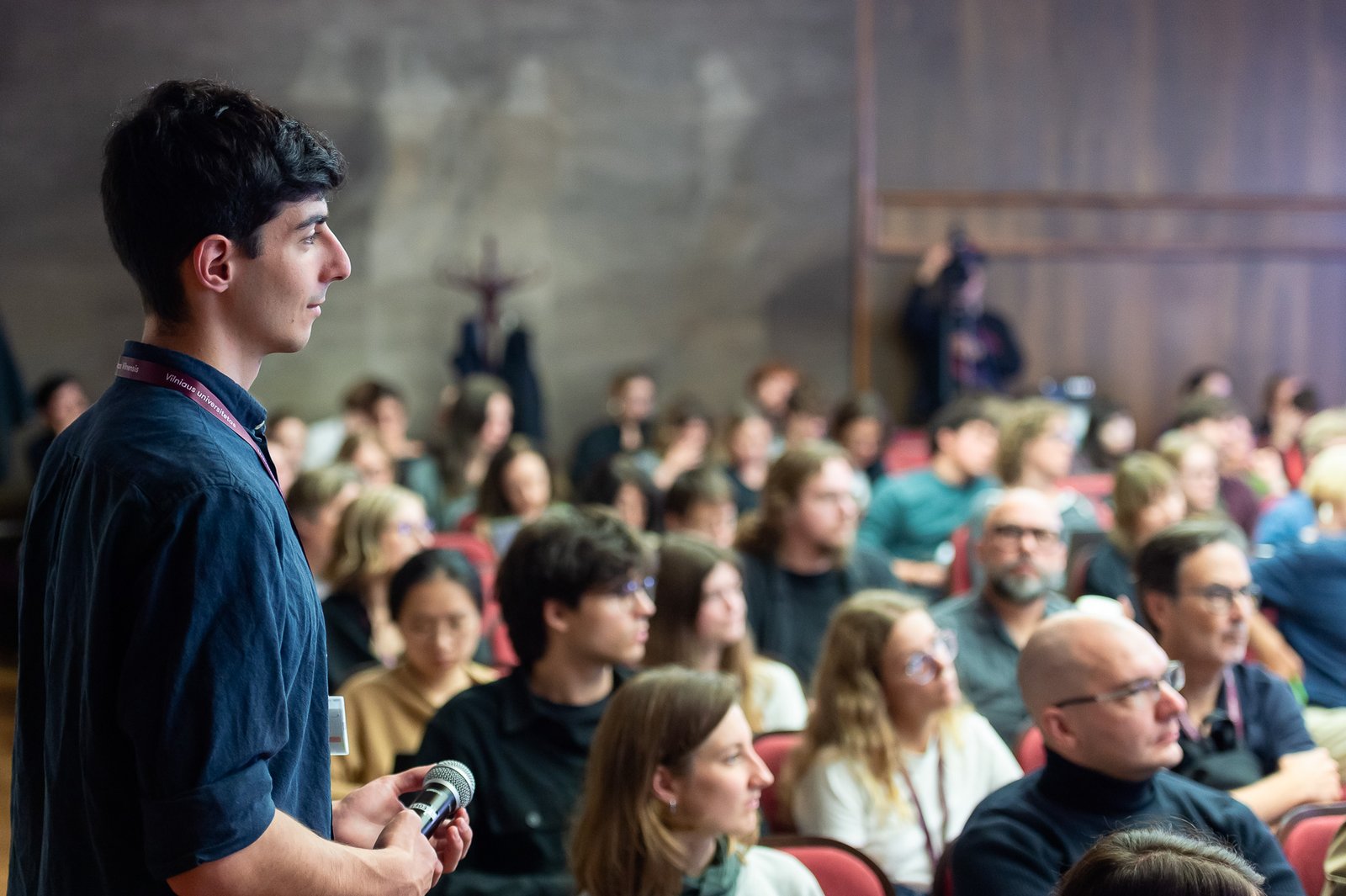
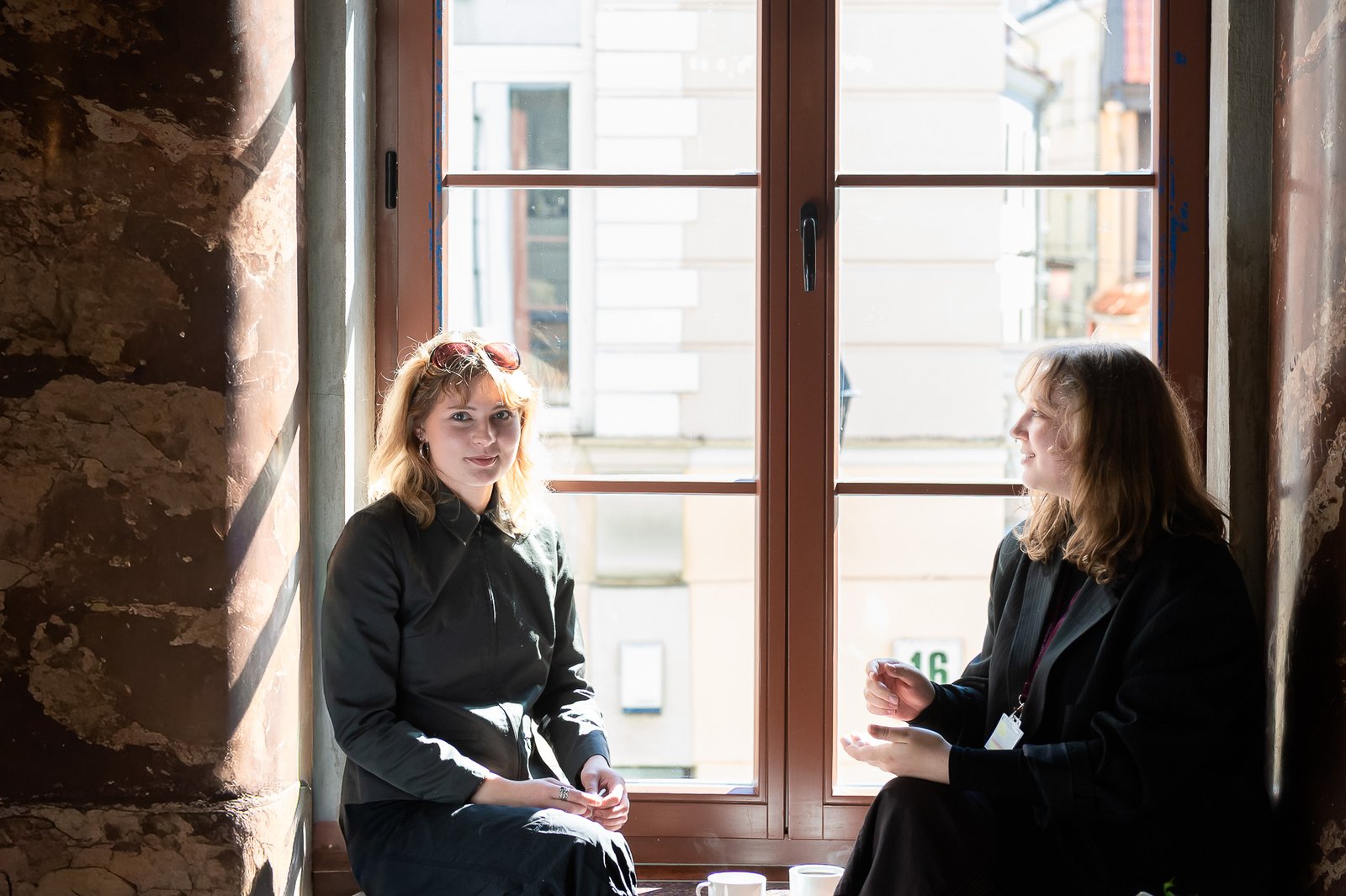
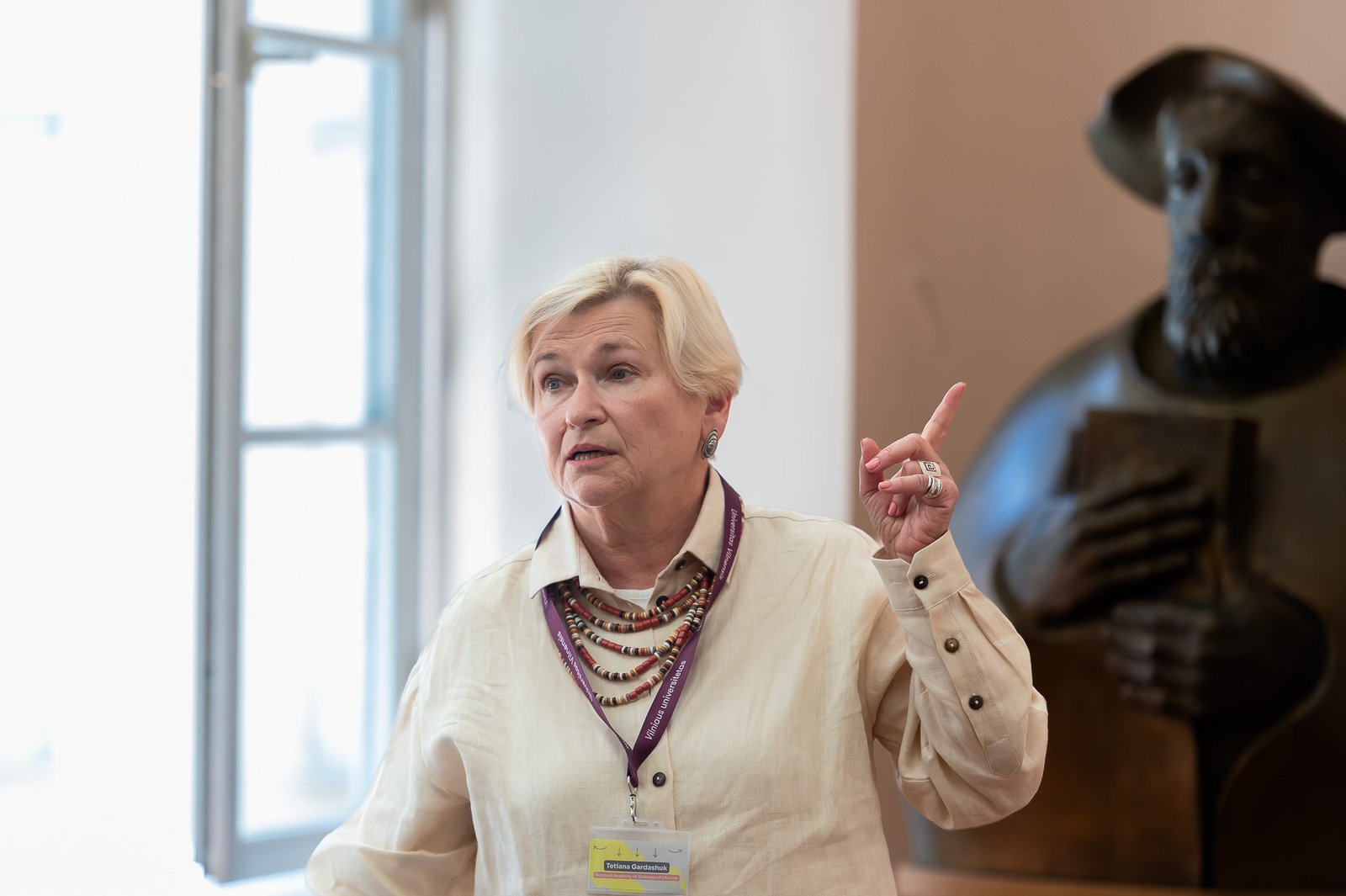
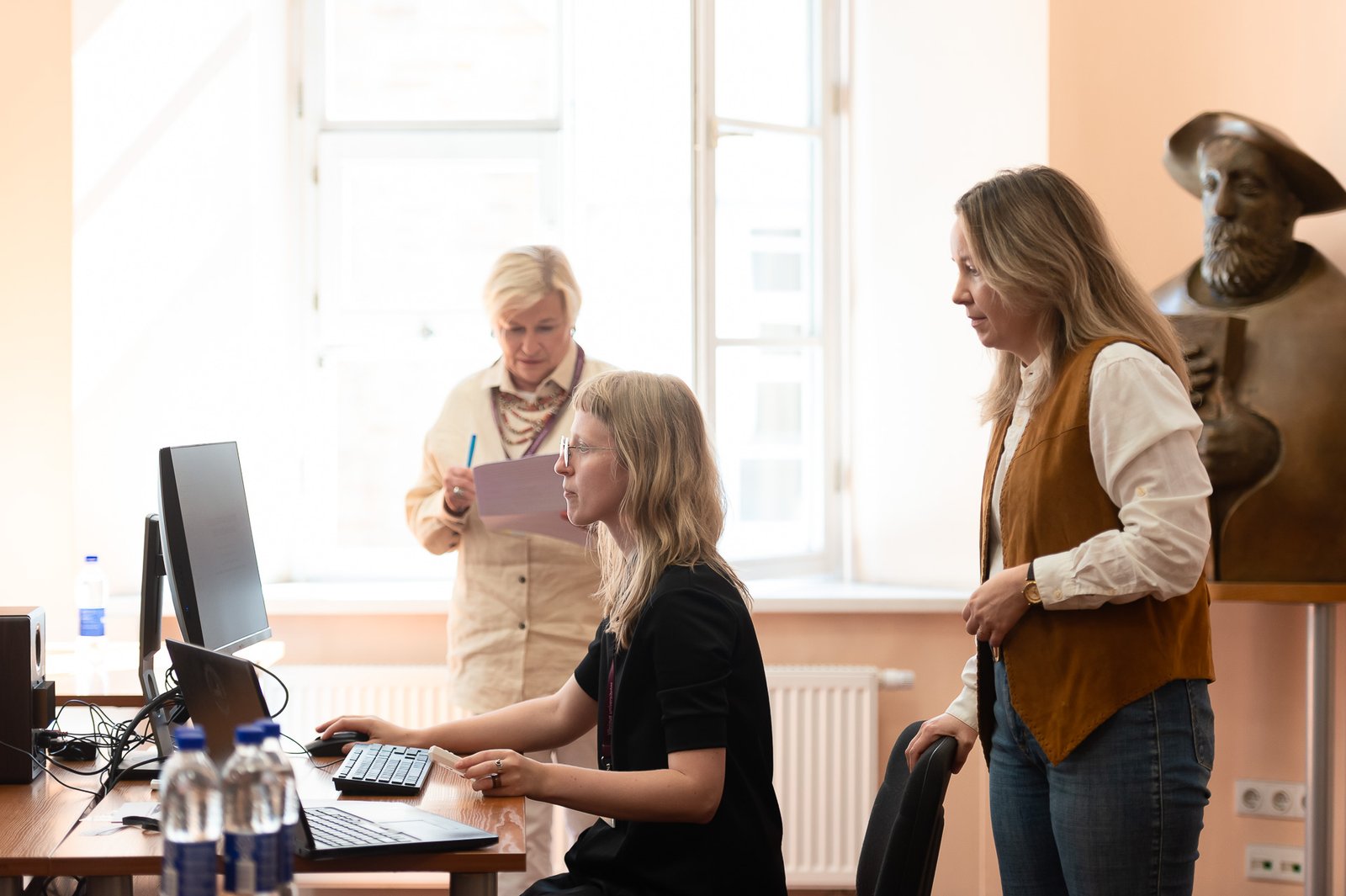
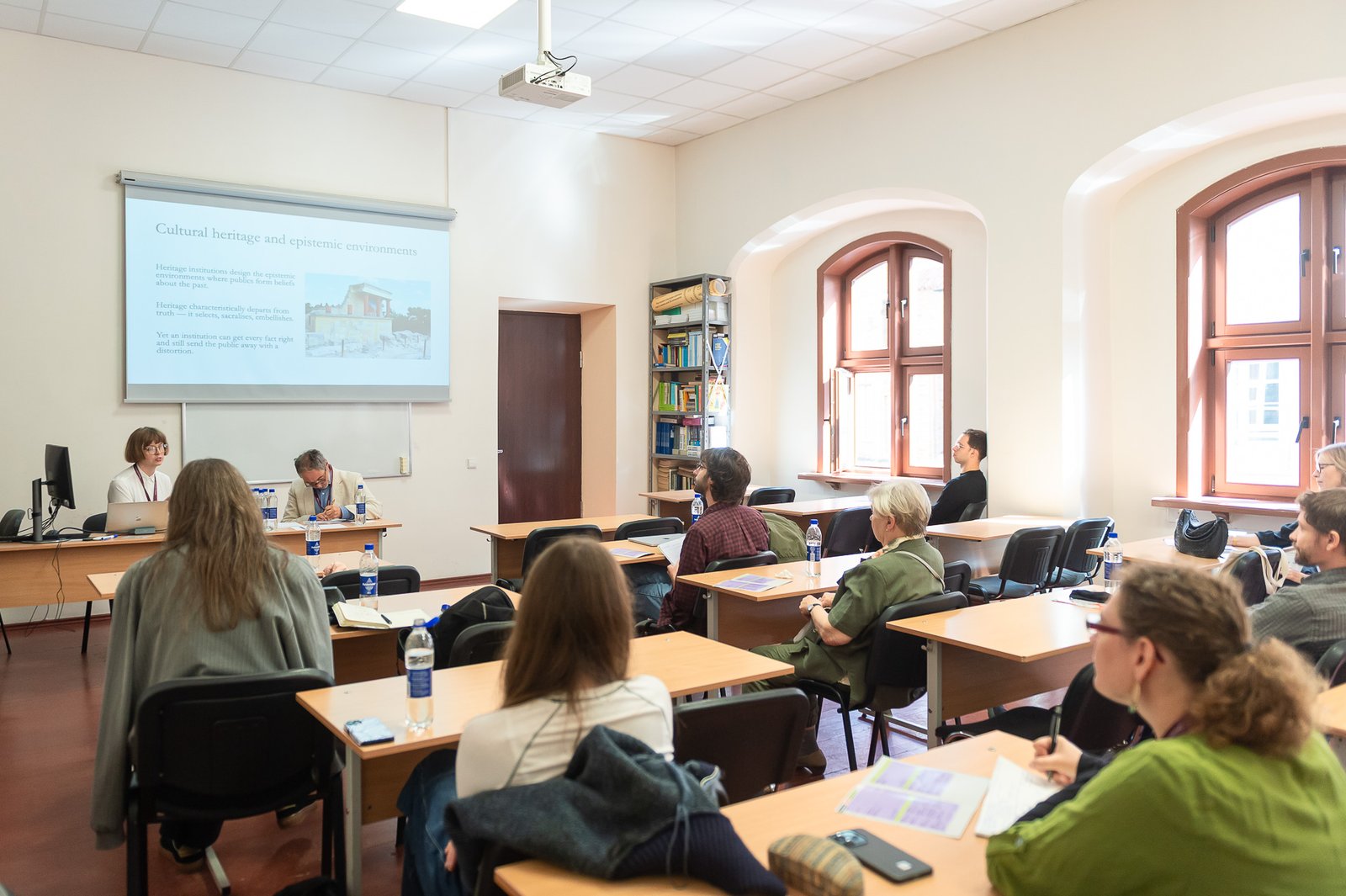
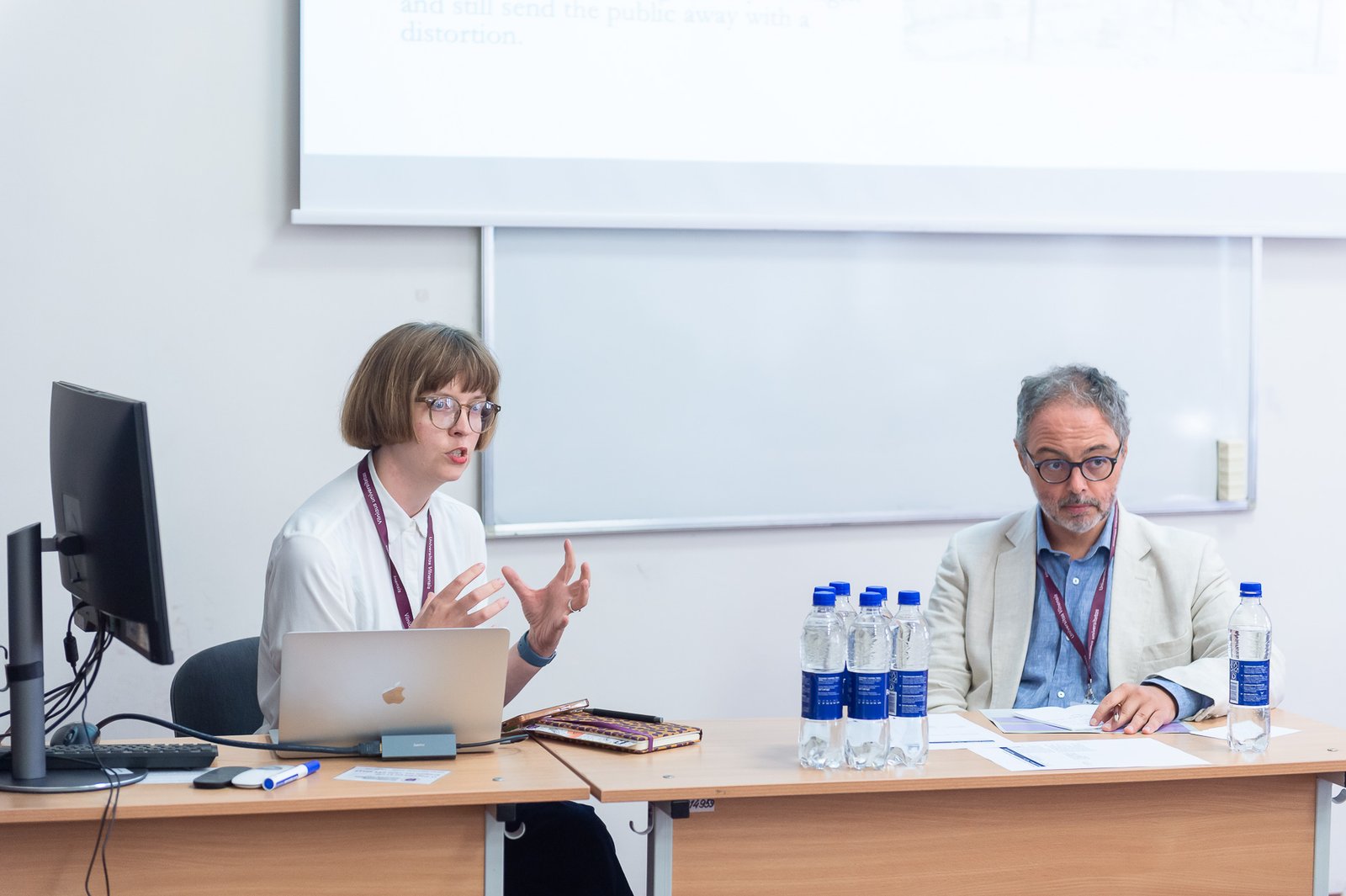
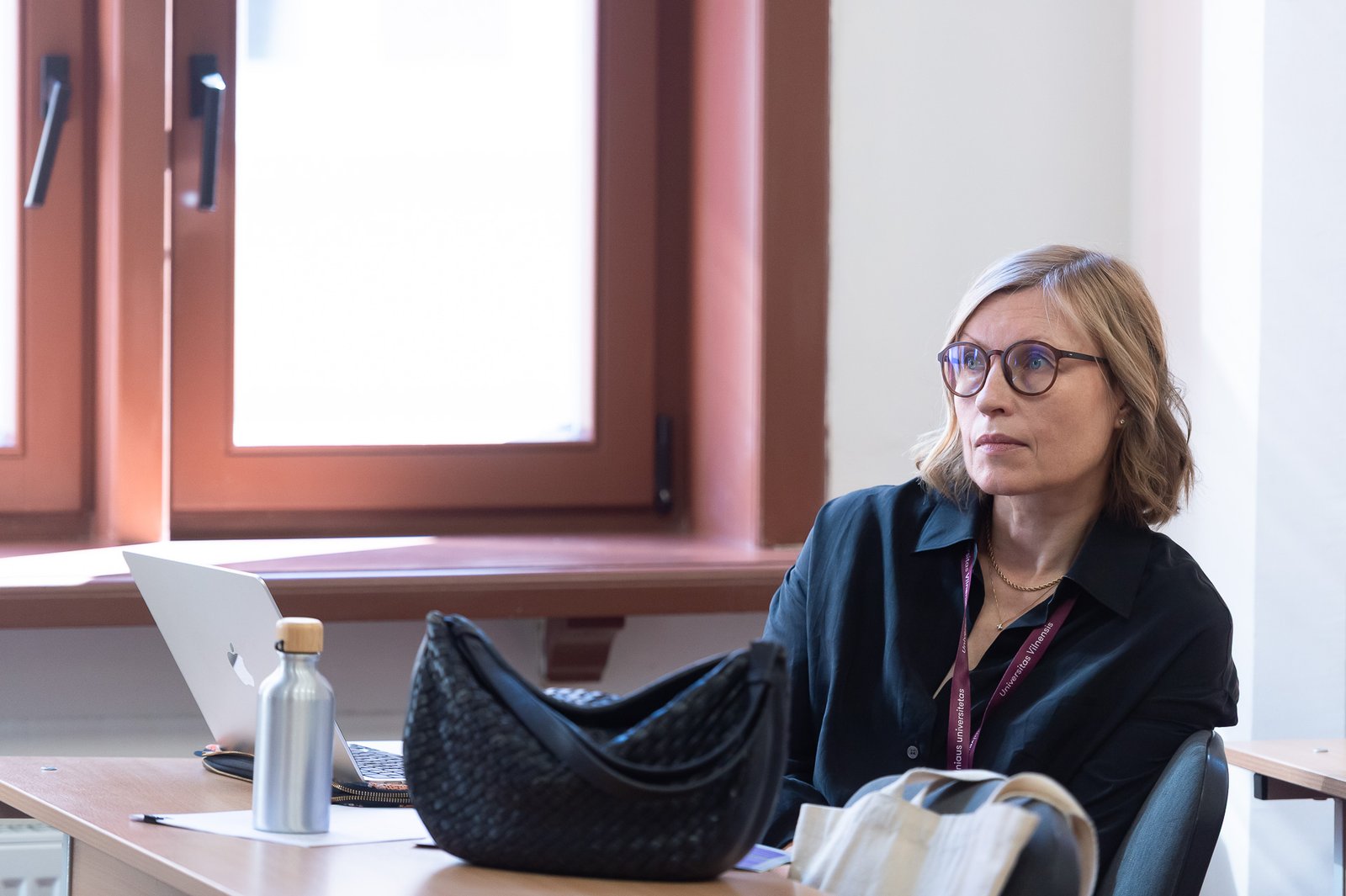
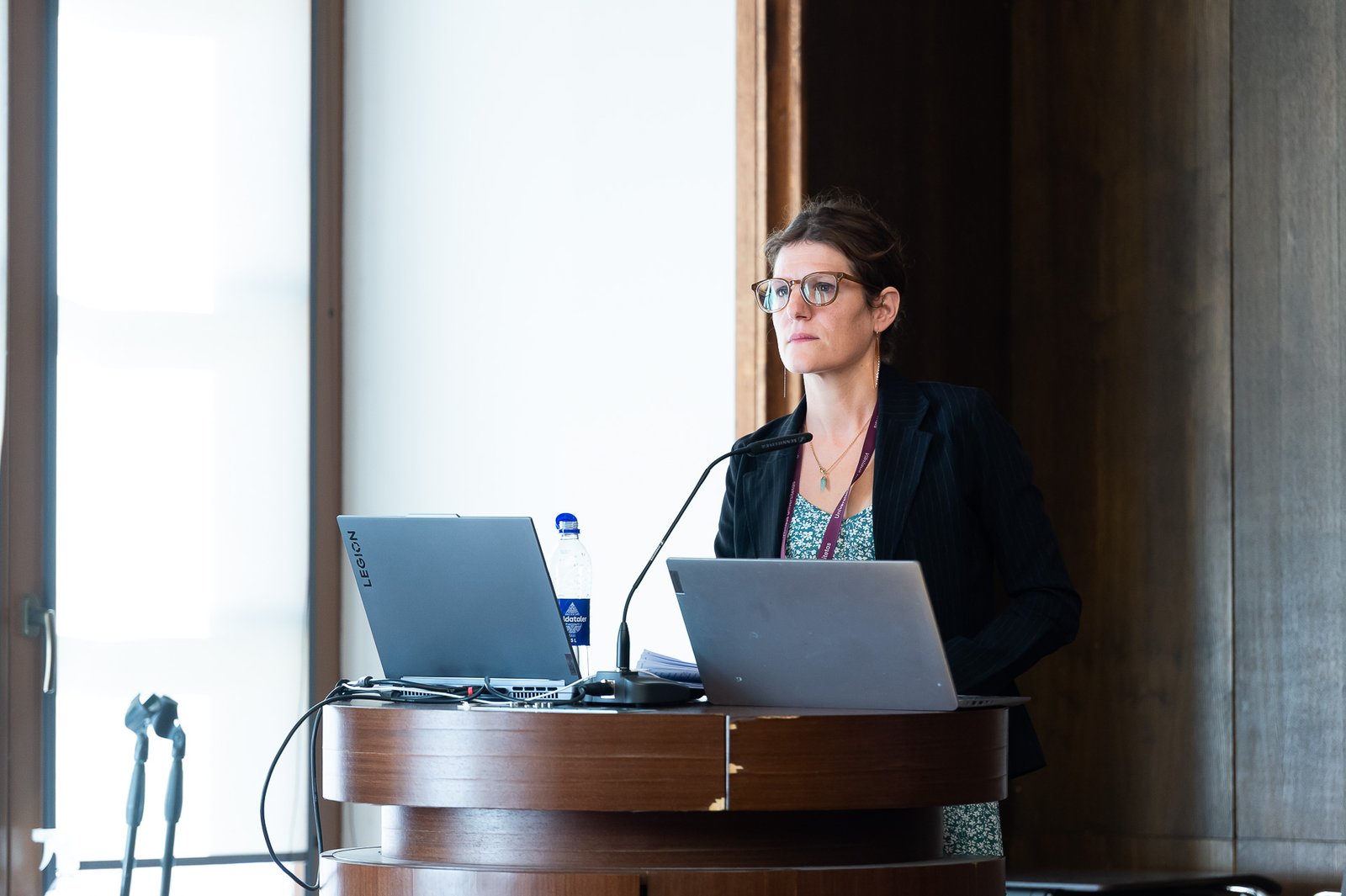
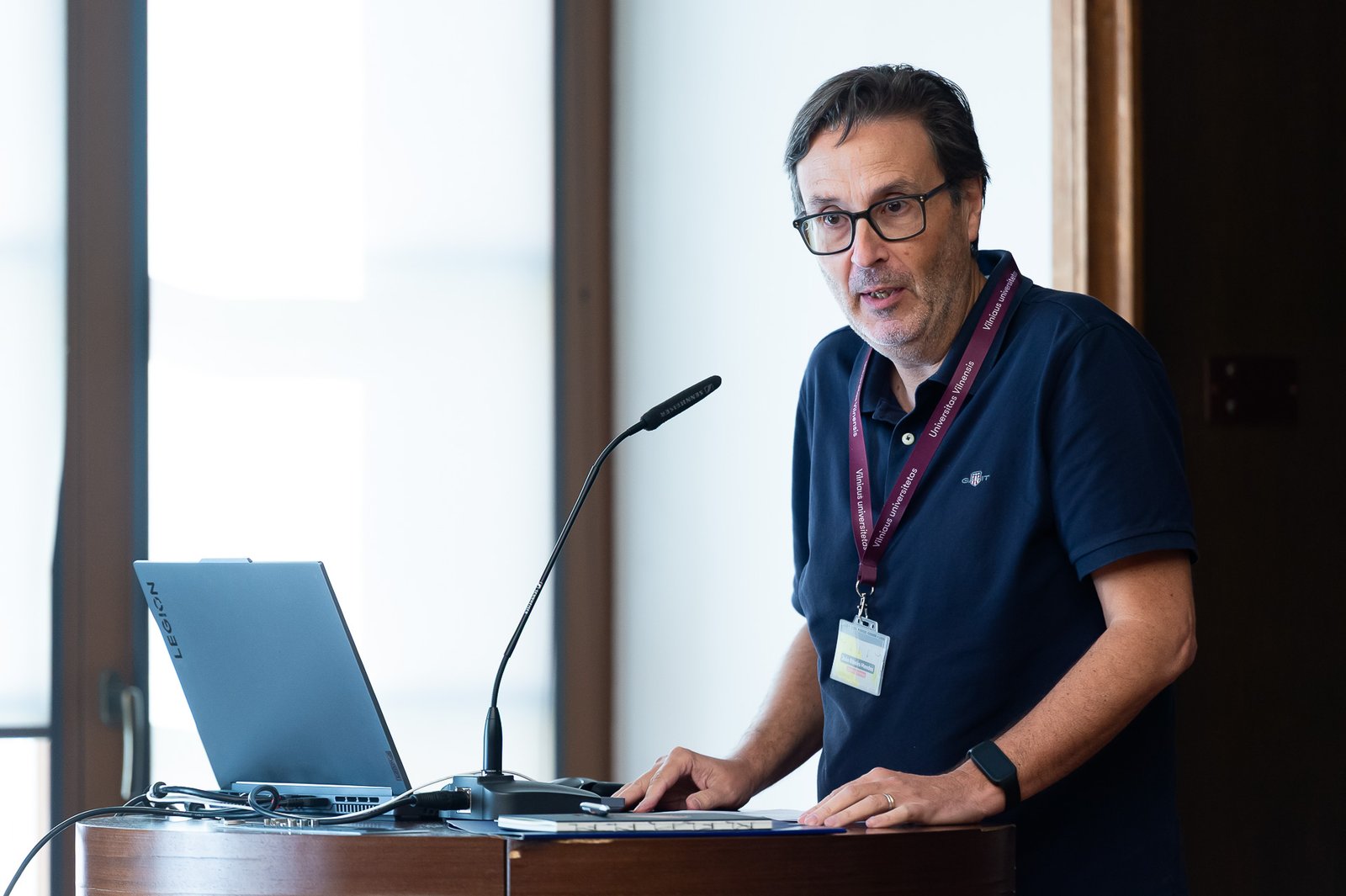
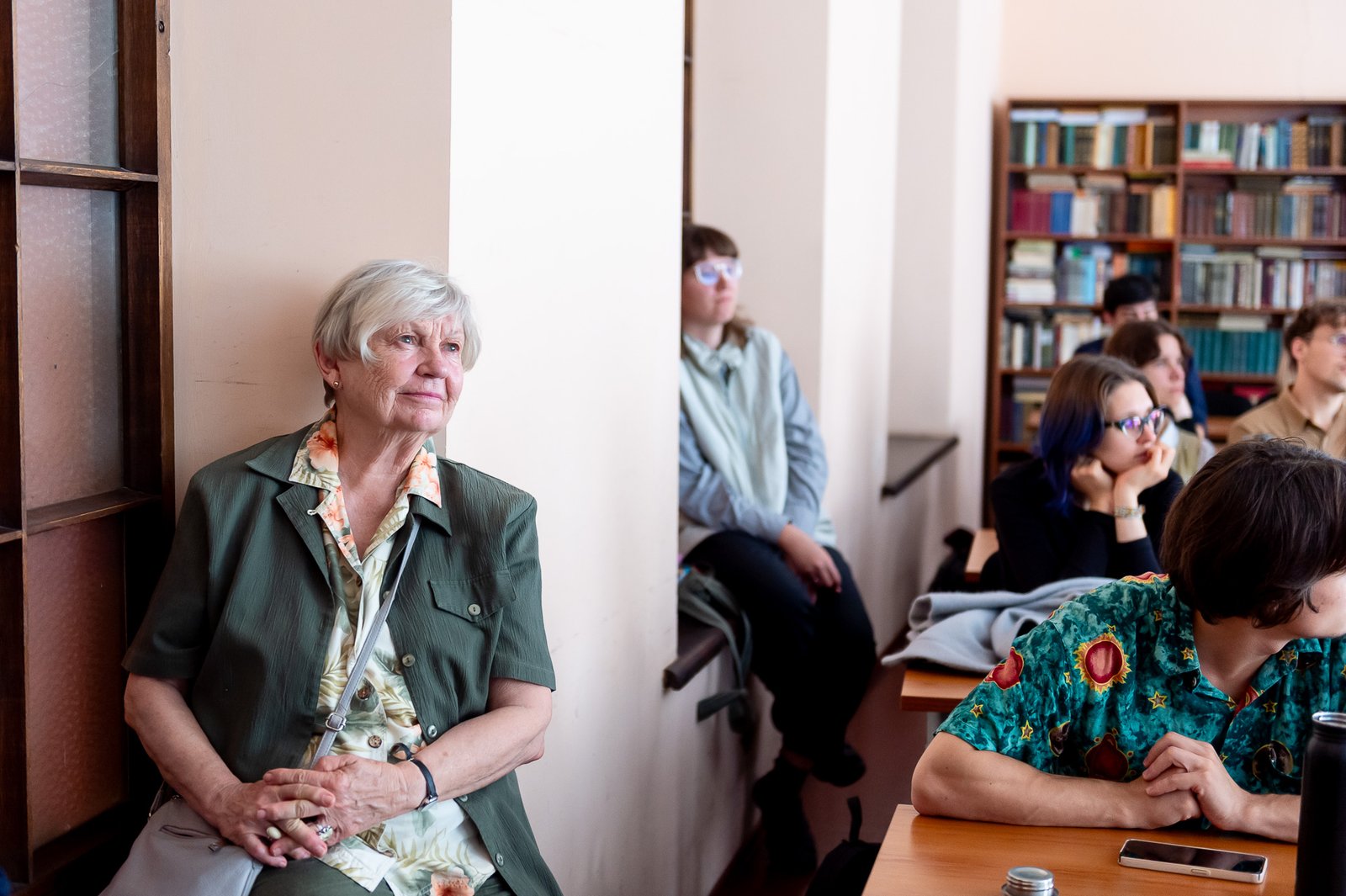
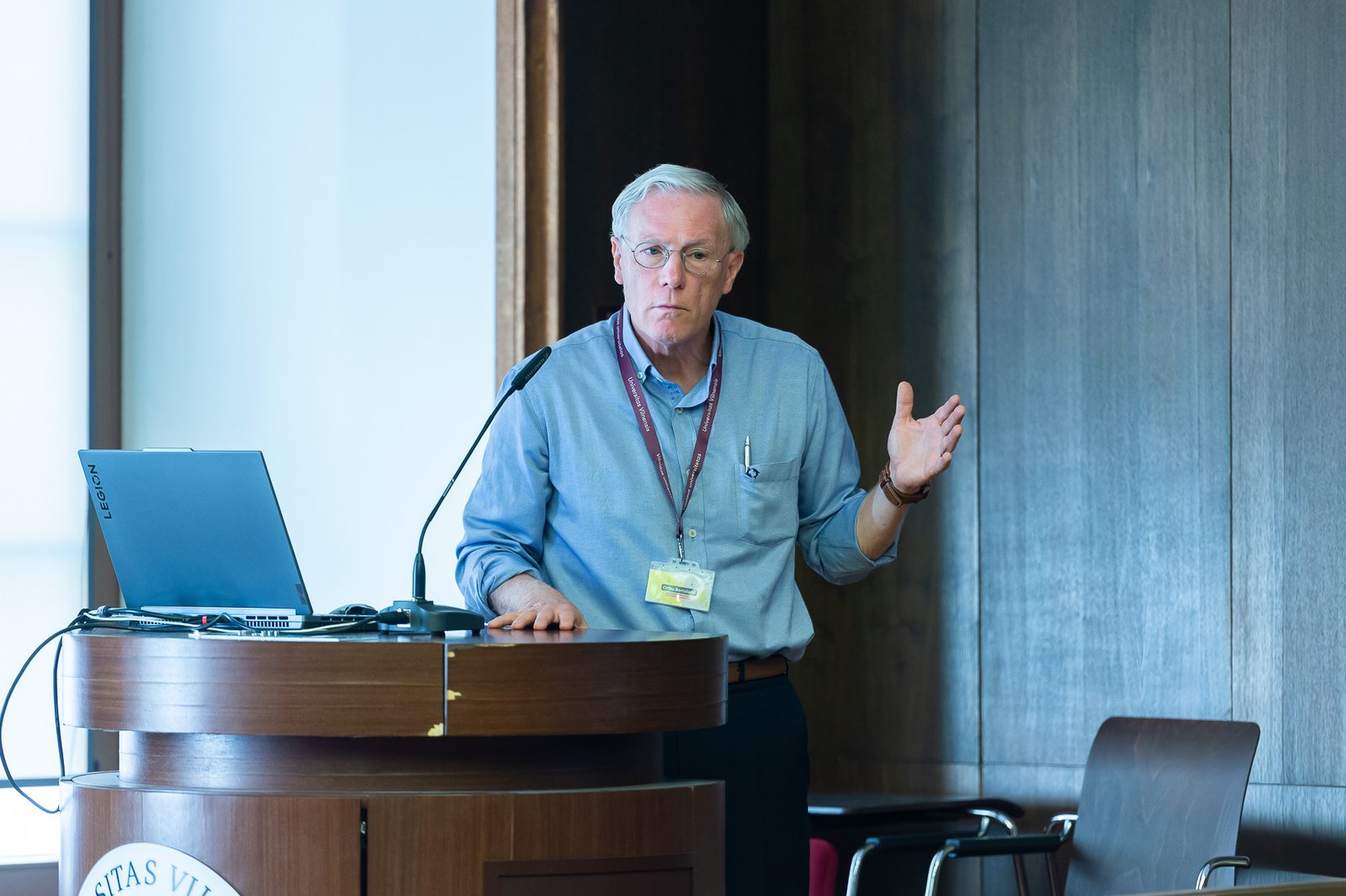
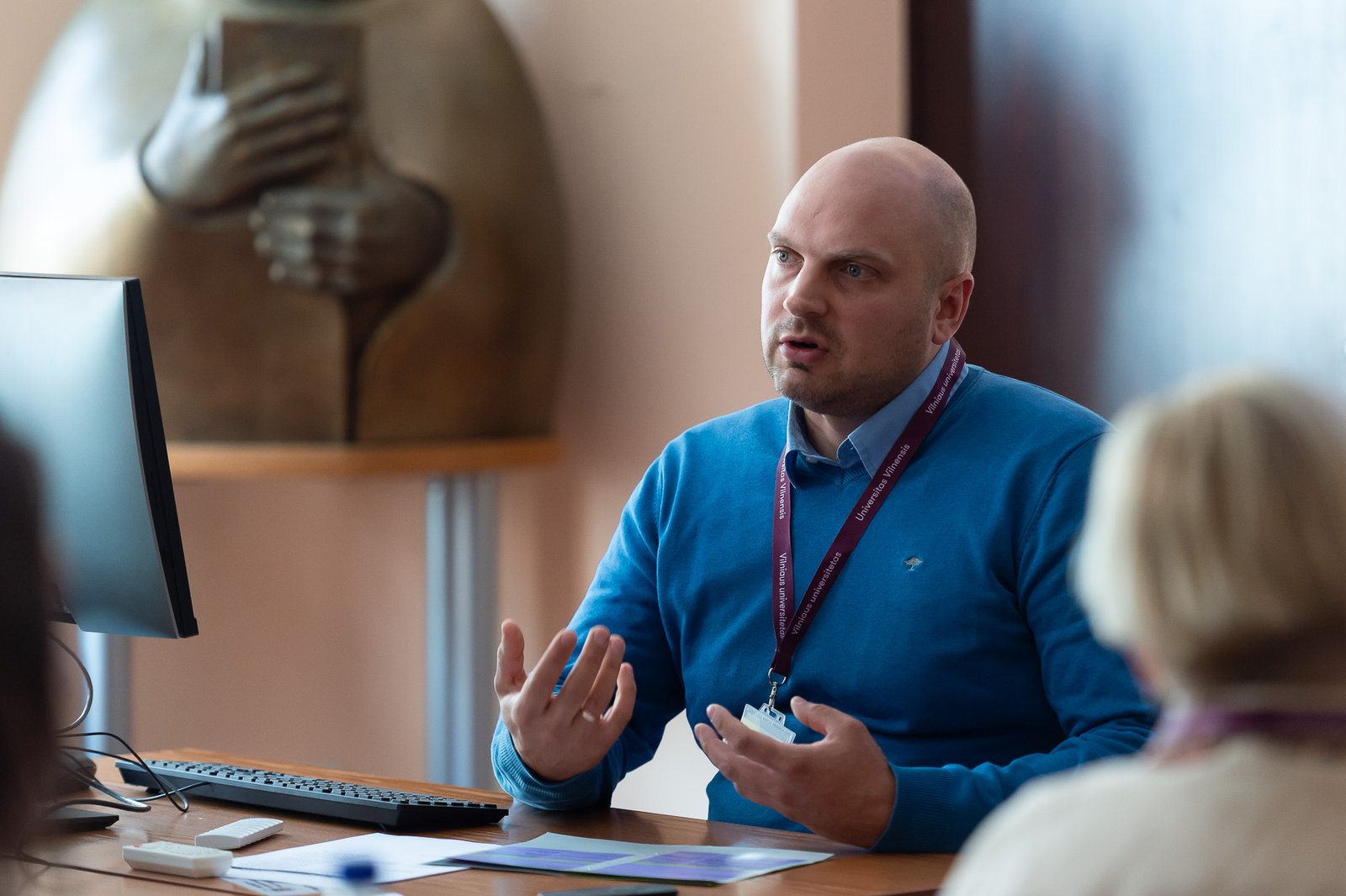
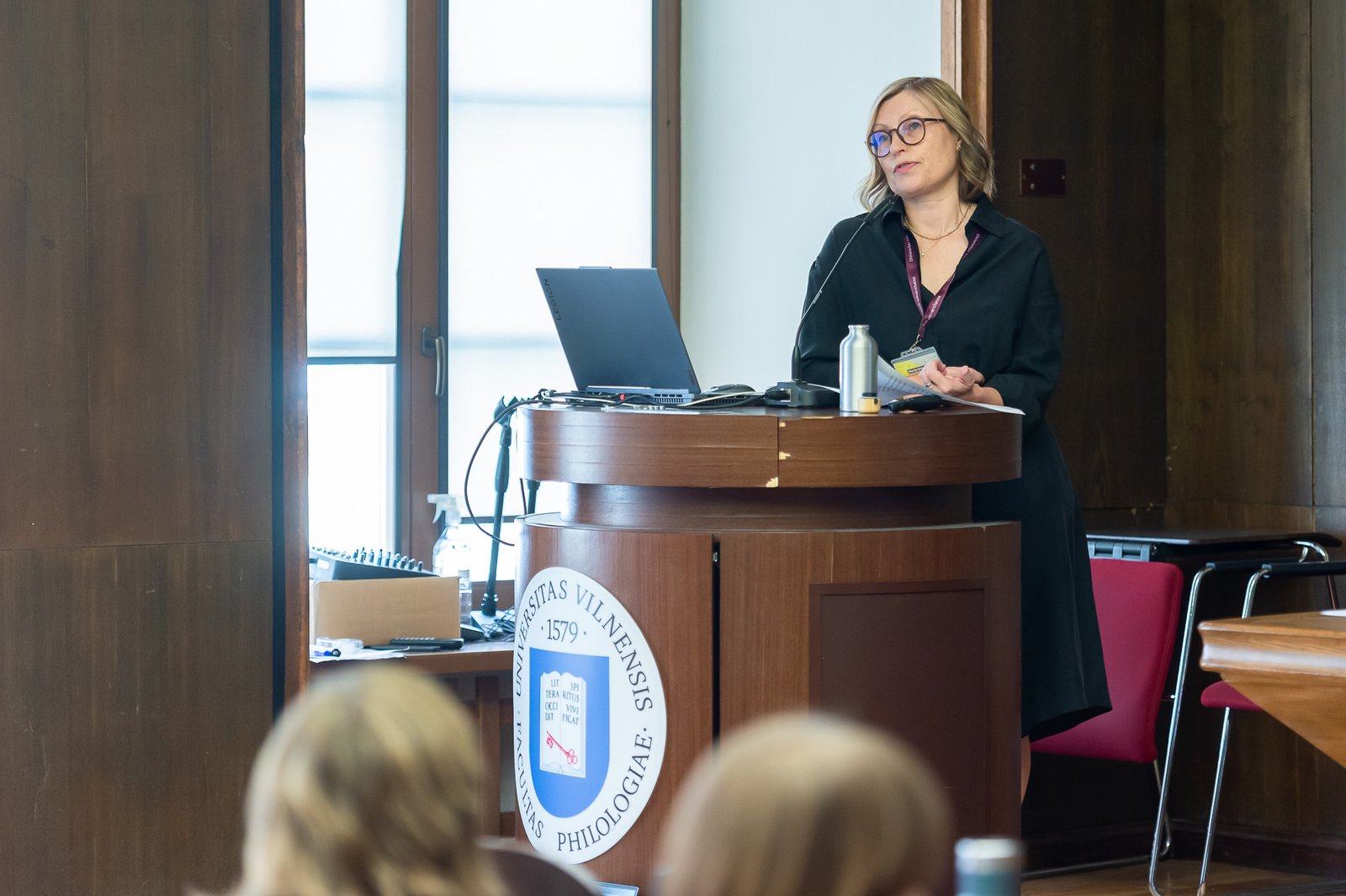
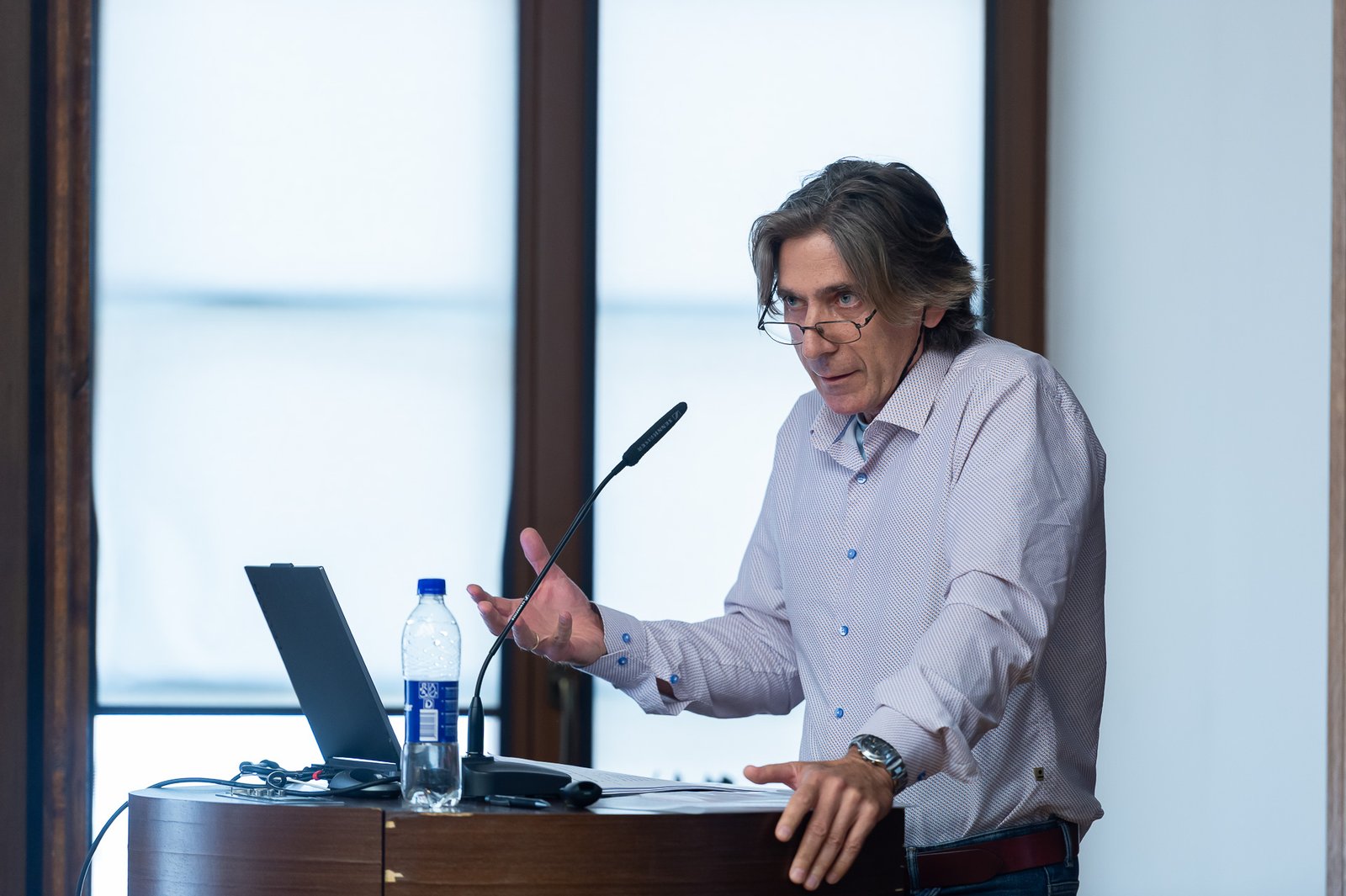
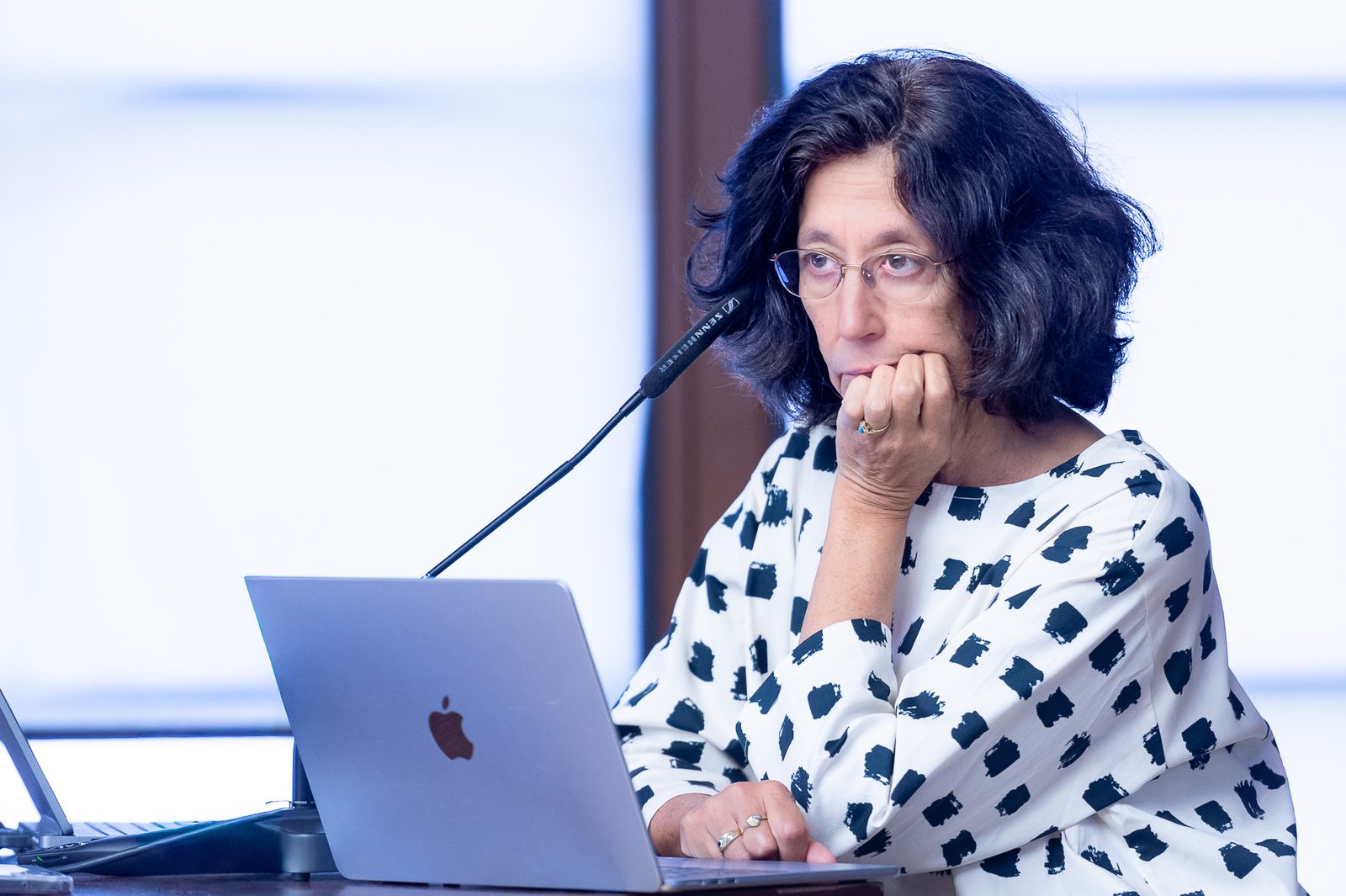
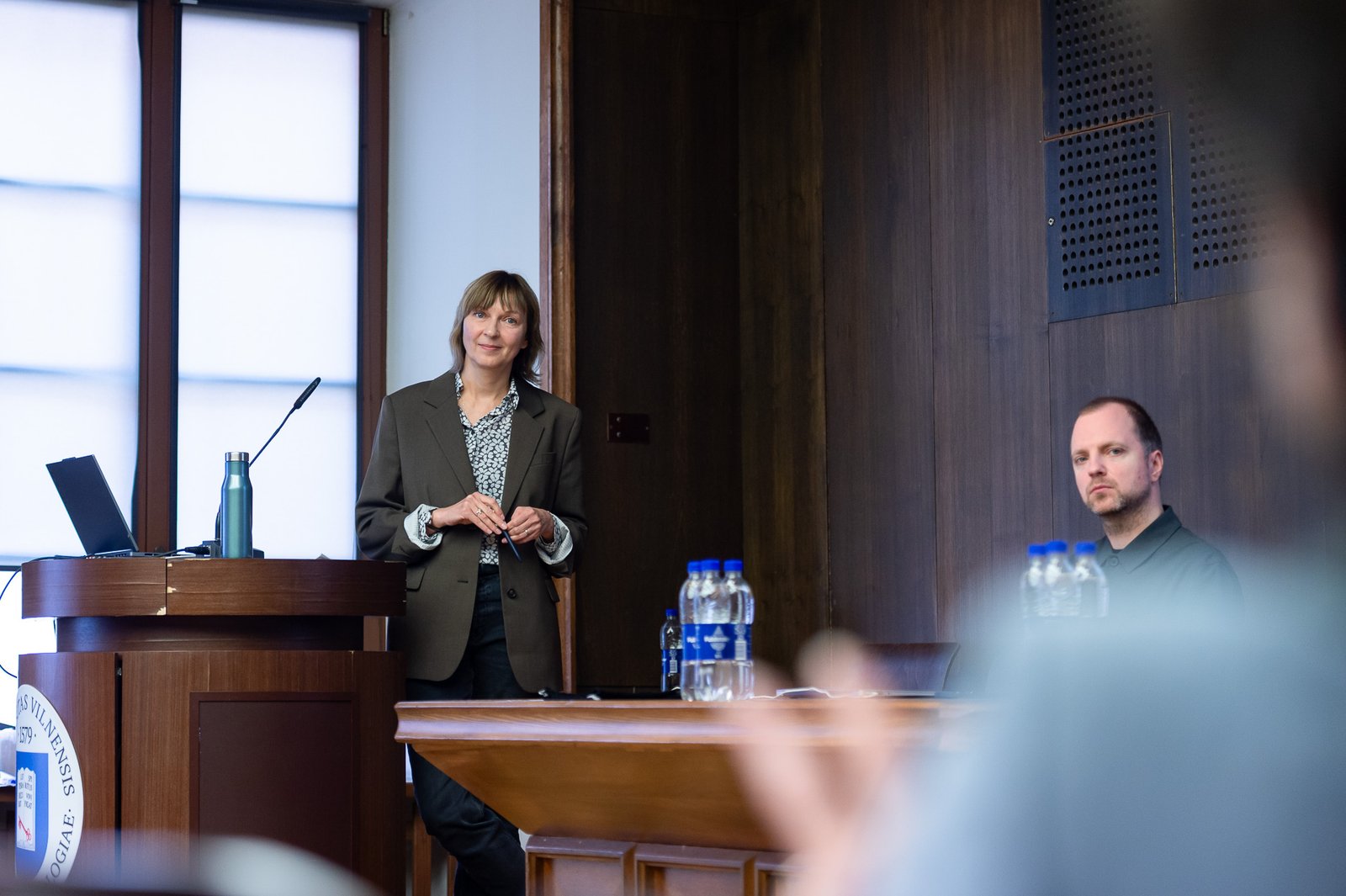
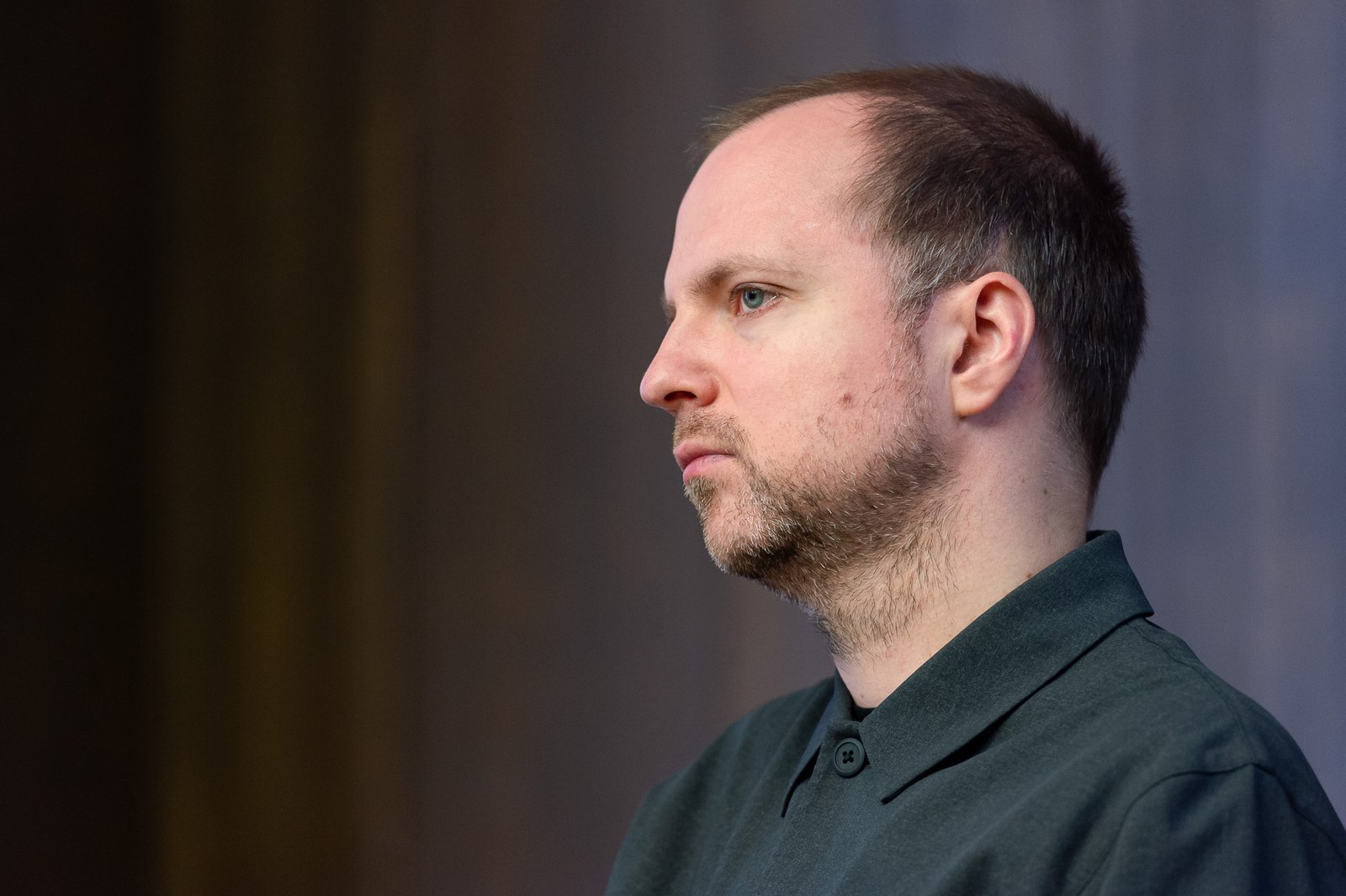
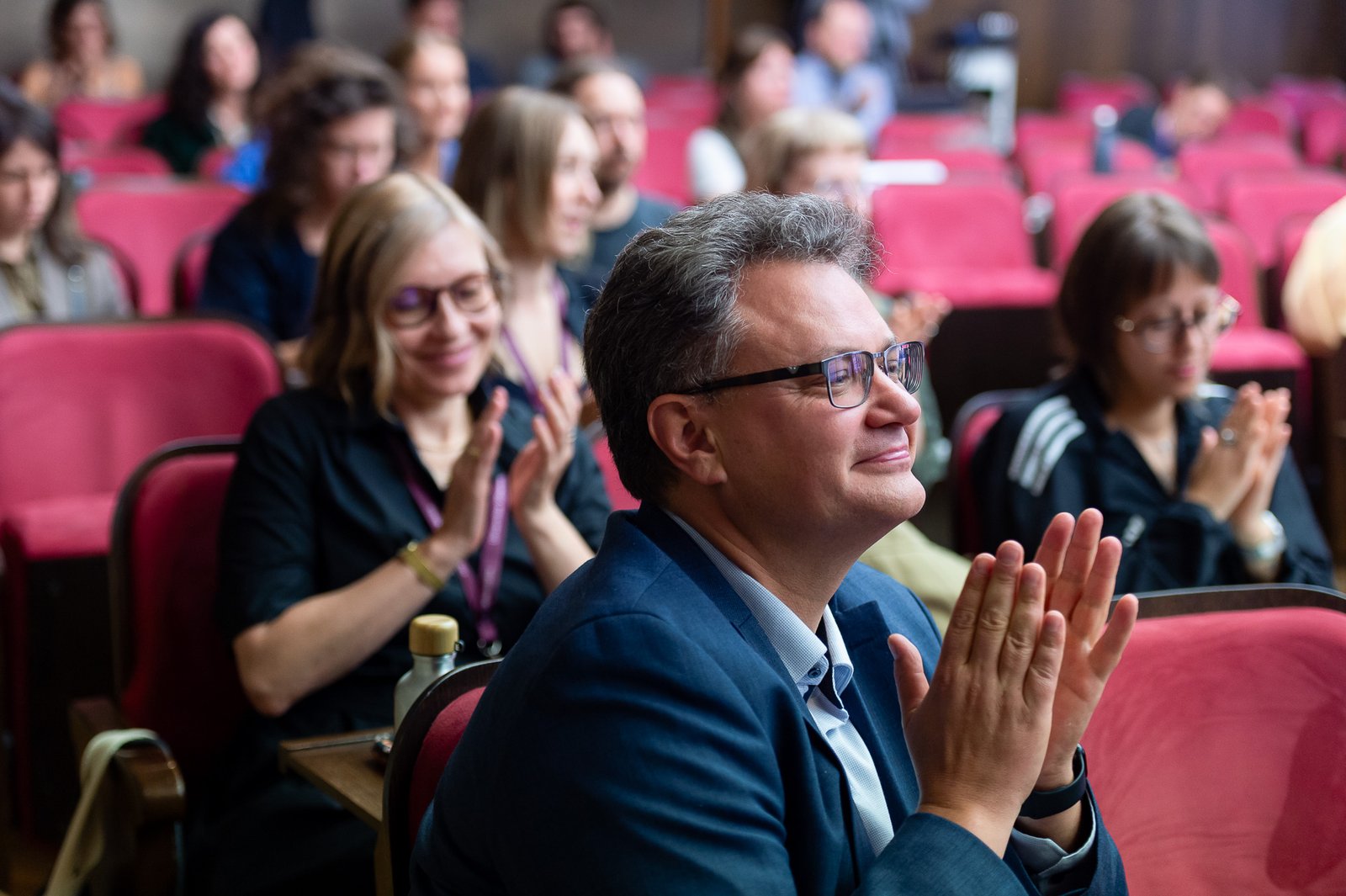
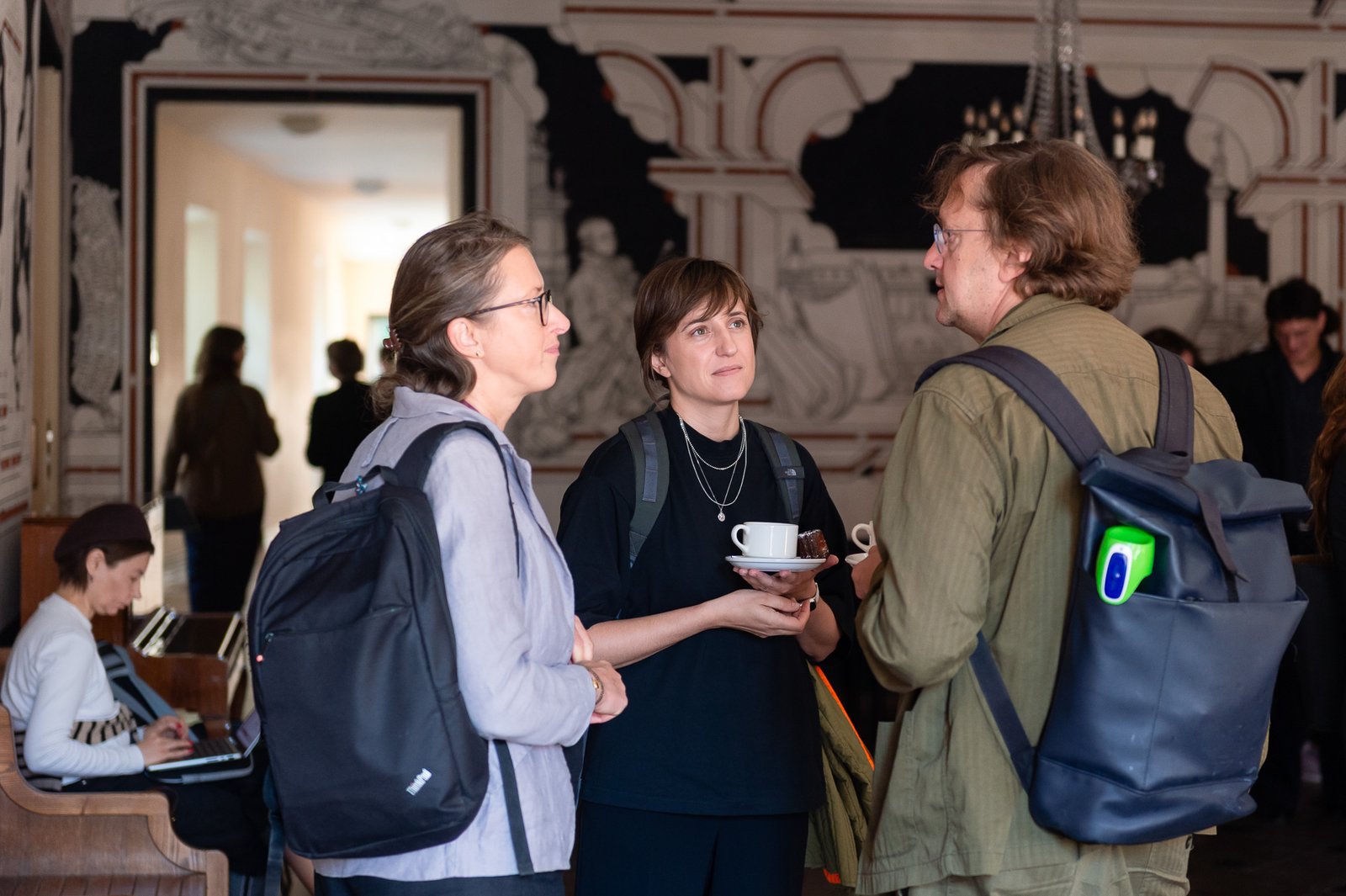
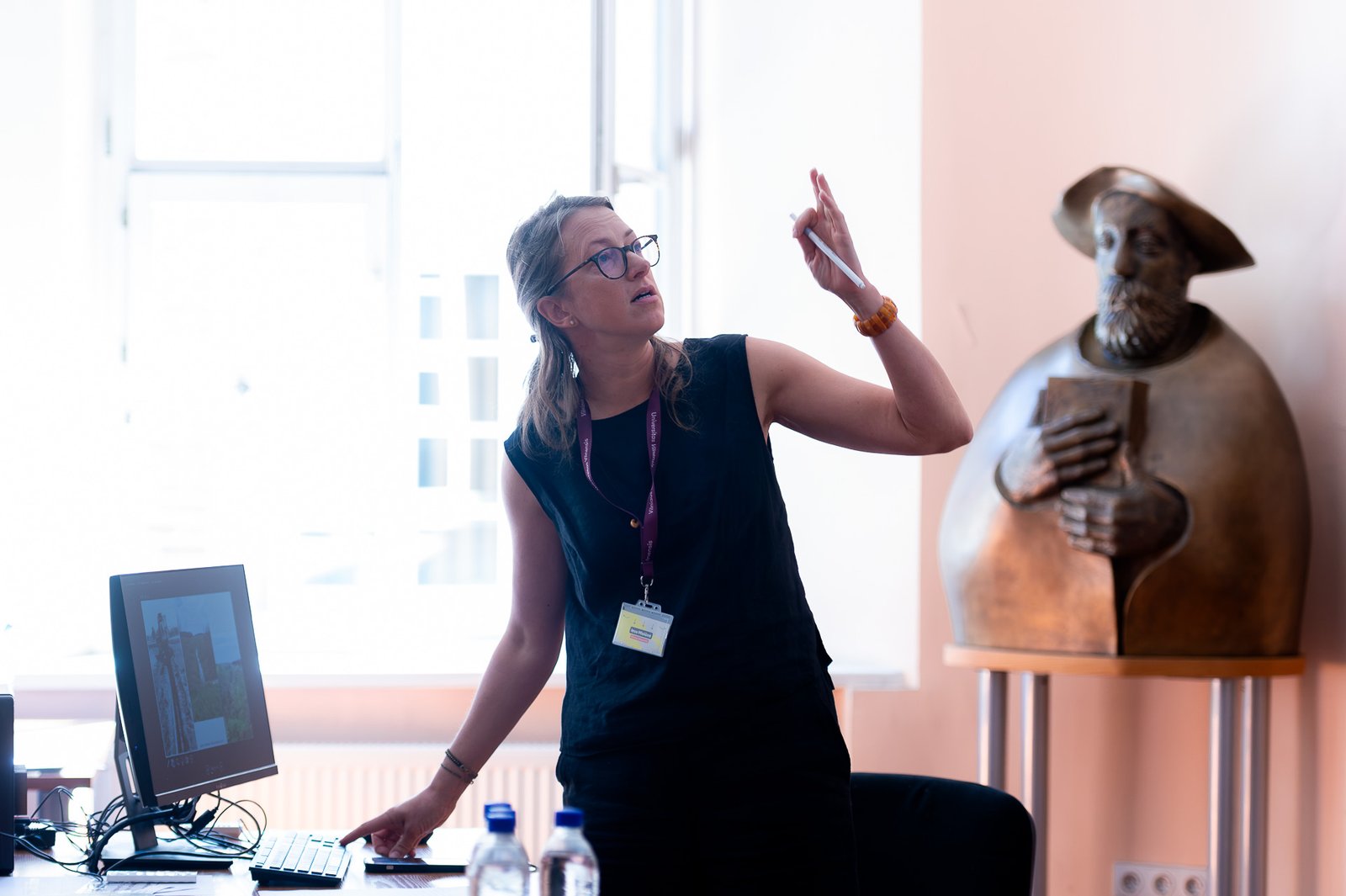
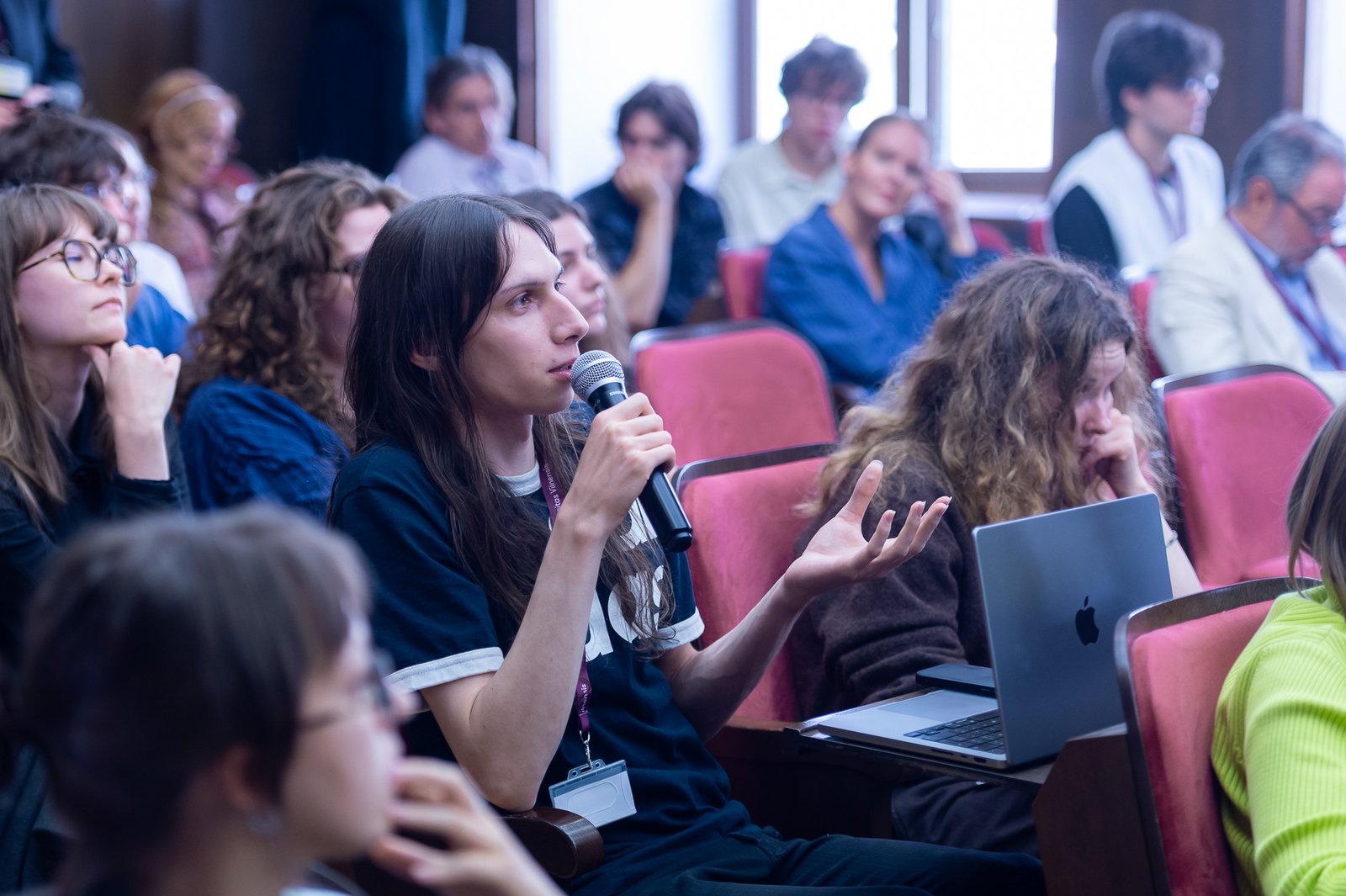
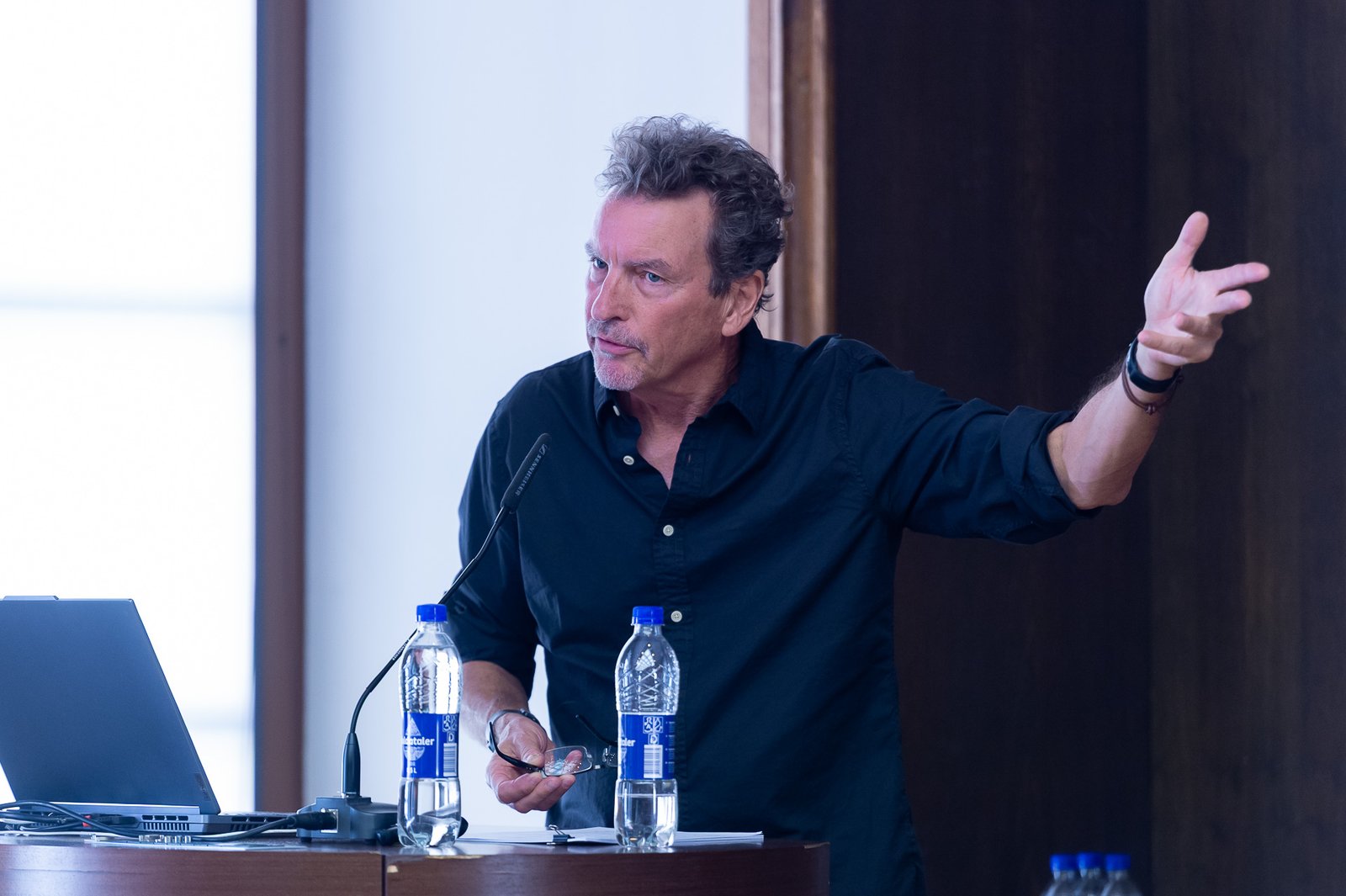
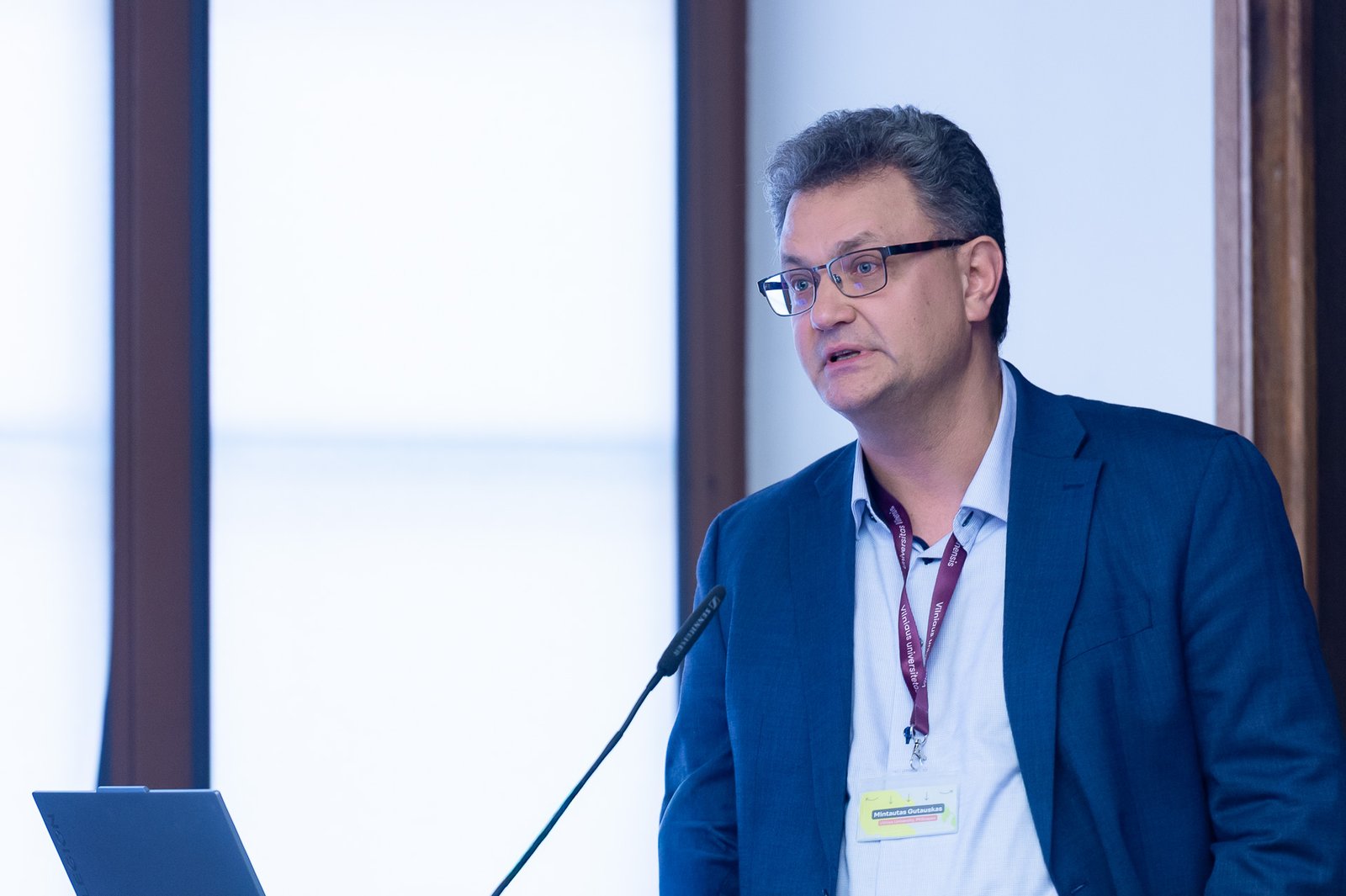
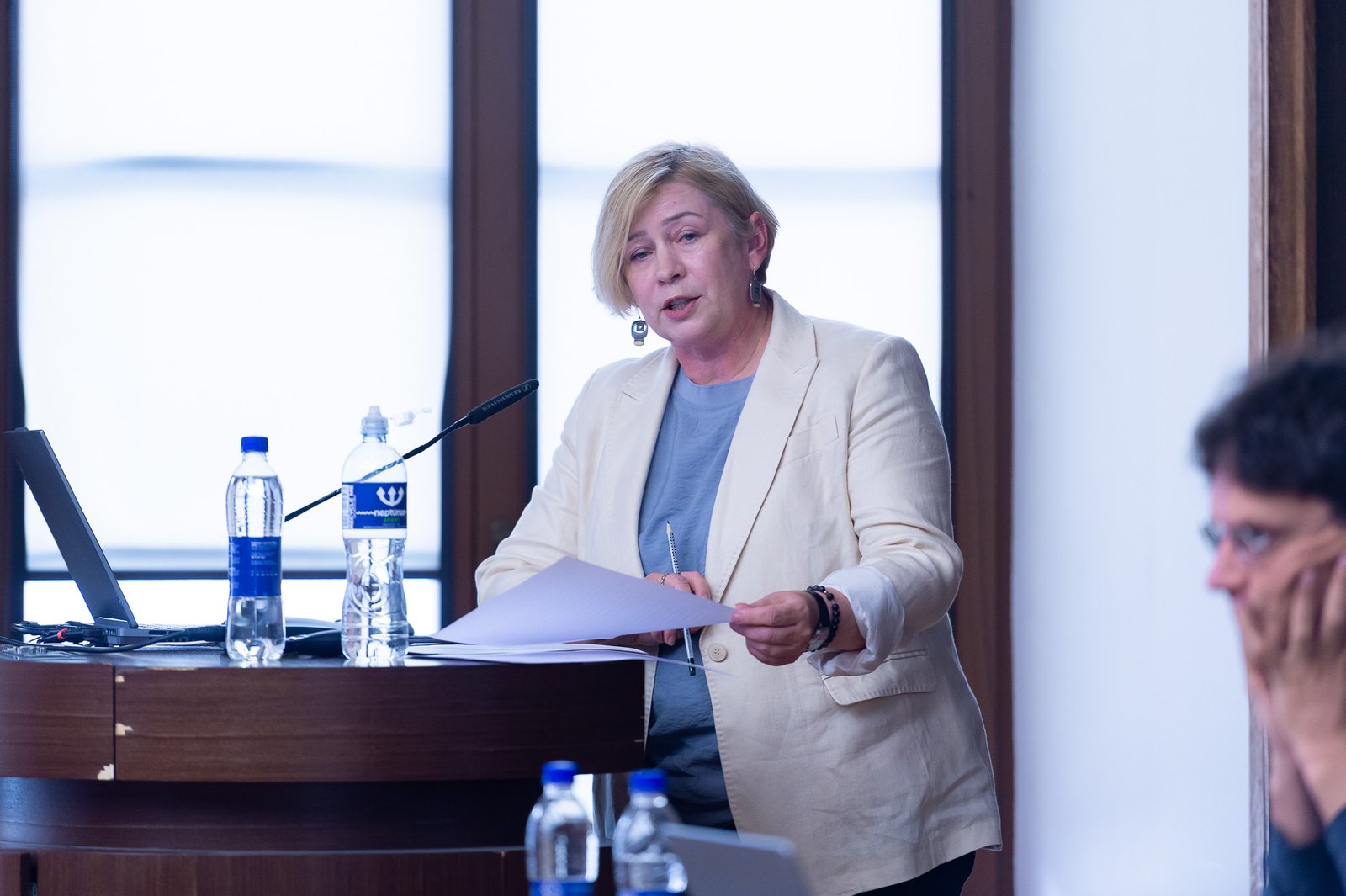
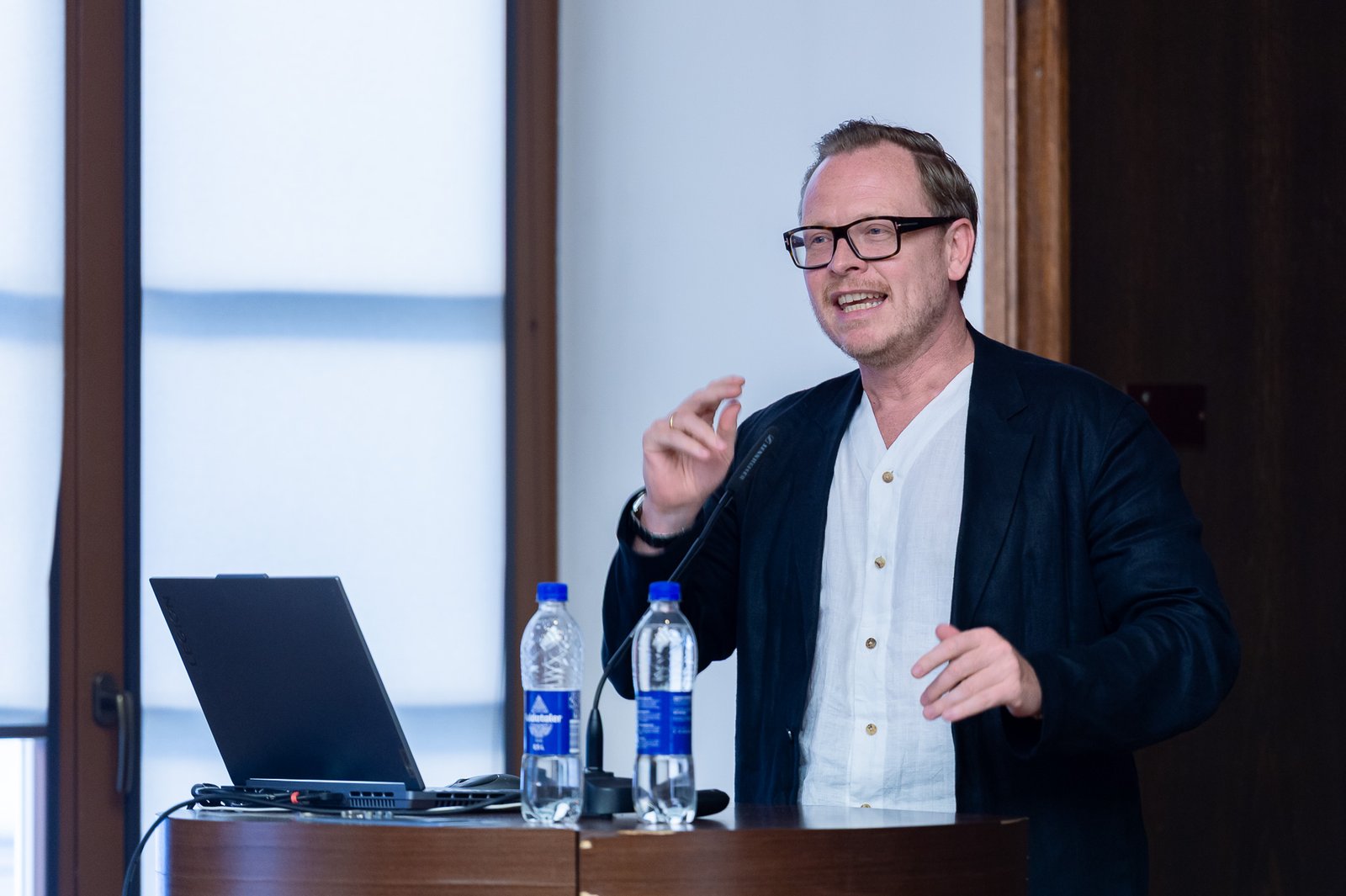
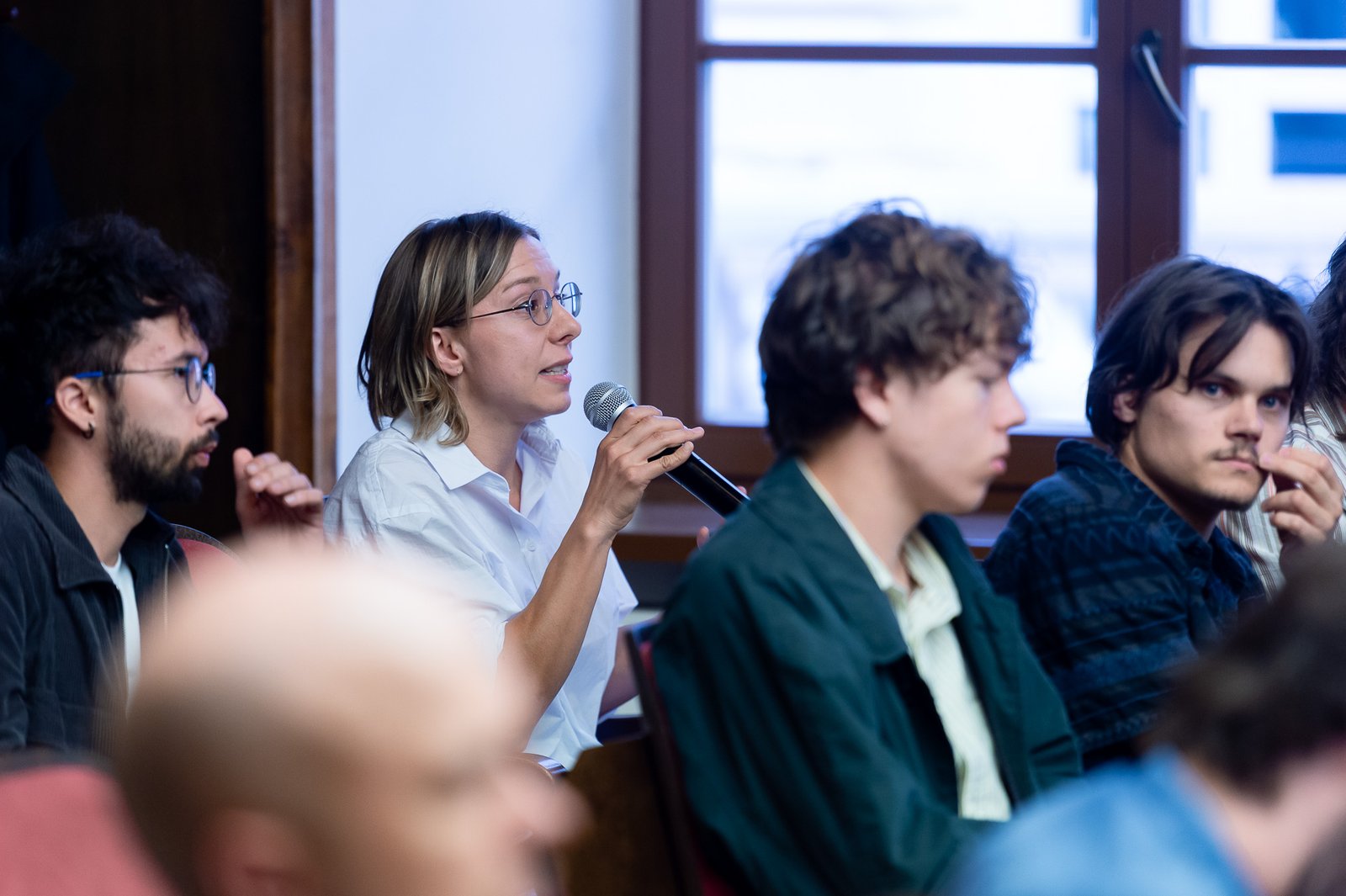
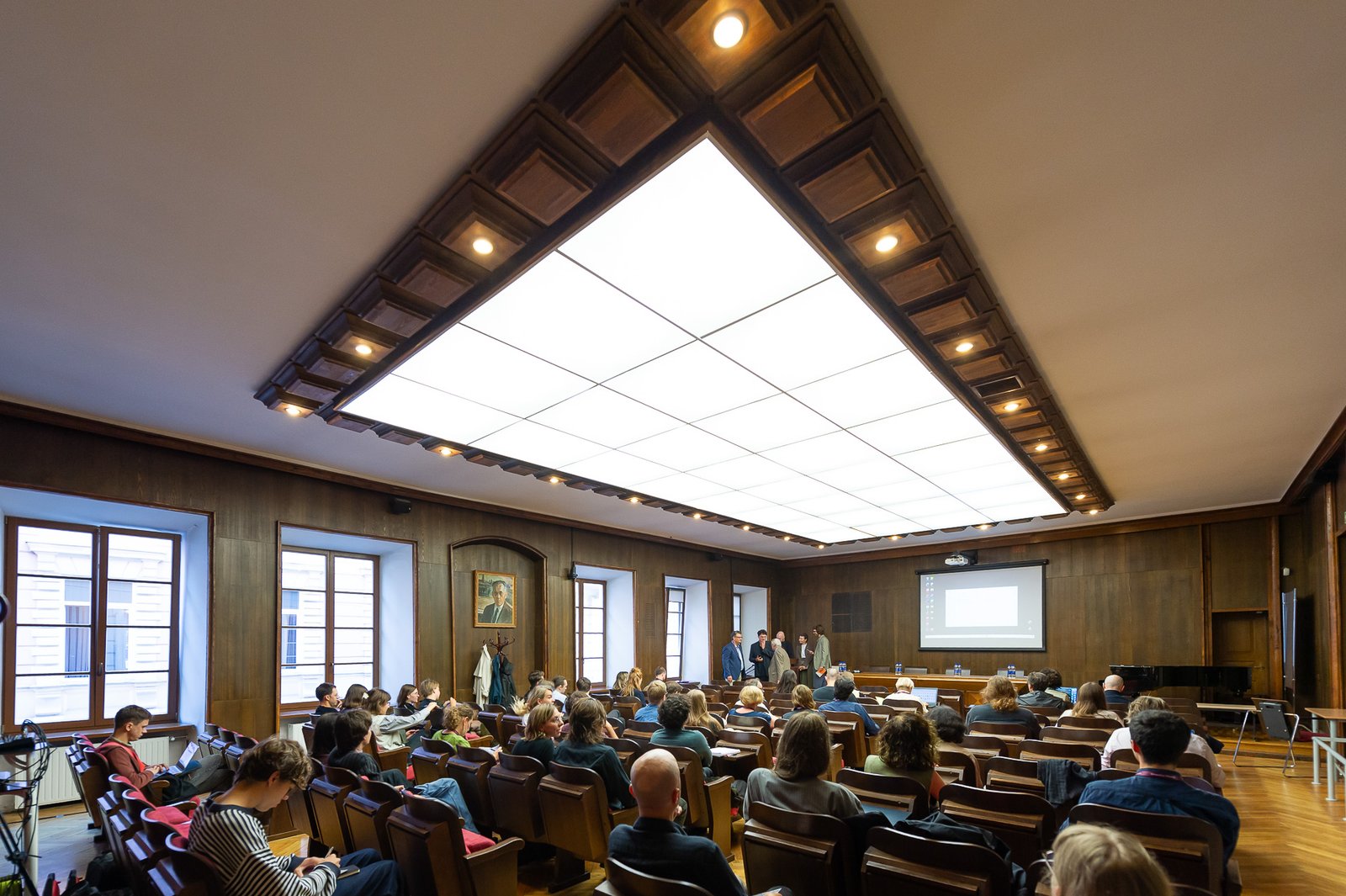
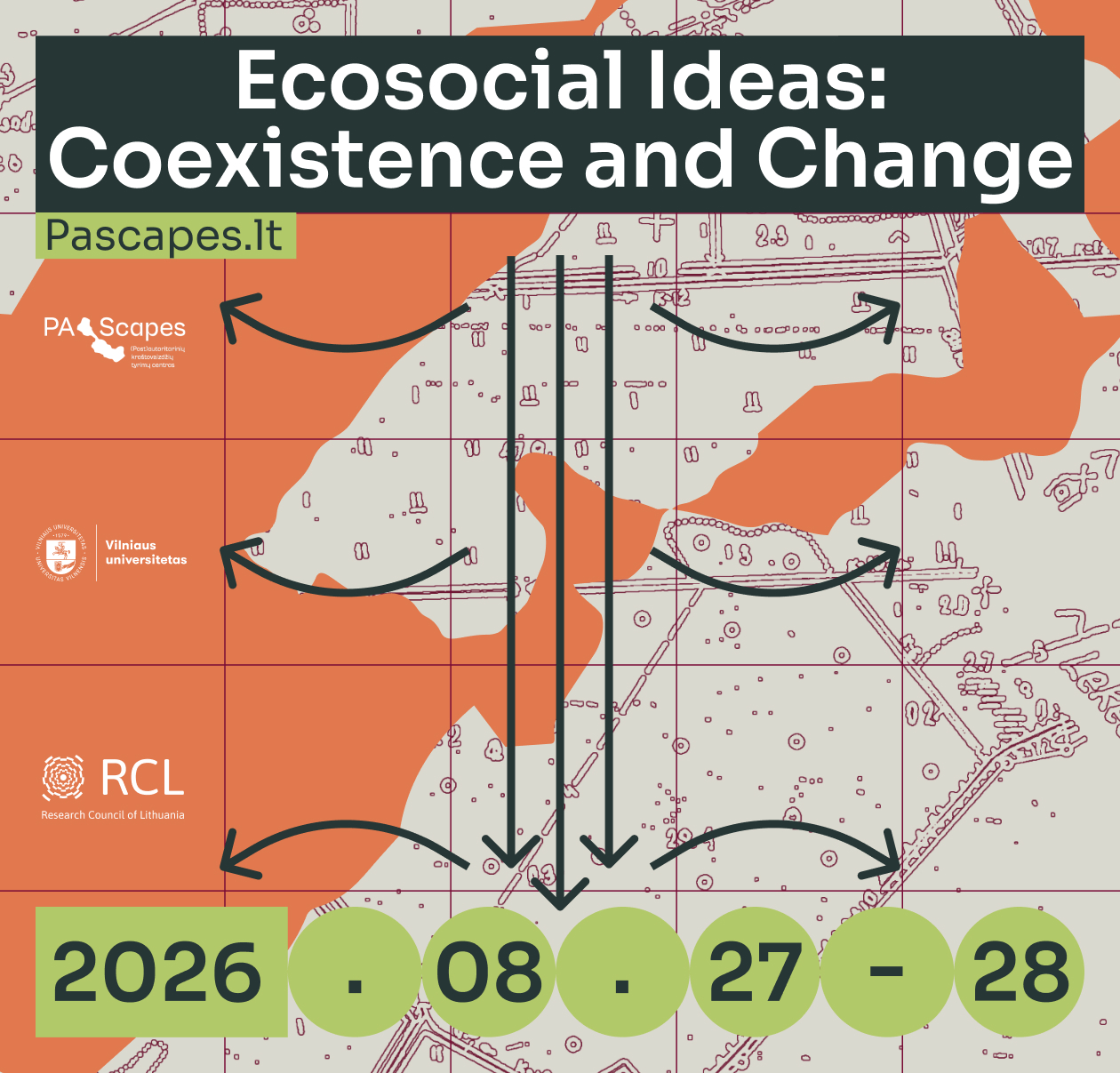
PAScapes held its largest event to date, the international conference Ecosocial Ideas: Coexistence and Change, which brought together more than 30 participants. Over the course of the conference, speakers from different fields explored how ecological, social, political, and technological challenges shape the ways we live together and relate to our environments.
The keynote lectures approached these questions from different directions. Svitlana Matviyenko examined Russia’s nuclear conduct in Ukraine and the weaponization of the living environment, showing how nuclear ambiguity and the suspended possibility of catastrophe become instruments of coercive terror. Kristupas Sabolius discussed possibility as an ecosocial concept, introducing “counter-affordances” as frictions that interrupt action and reveal the limits of coexistence. Drawing on Material Engagement Theory, Lambros Malafouris explored human becoming as a process in which brain, body, material tools, and culture are inseparably entangled.
Cary Wolfe presented his concept of “jagged ontologies” connecting distinctions between living and physical systems to multispecies justice and the rights of nature. Audronė Žukauskaitė drew on Gilbert Simondon’s concept of the transindividual to examine biotechnological forms of life and their challenge to individualist ontologies. Markus Gabriel addressed the future of ecosocial liberalism, proposing an understanding of human freedom through interconnected ecological, technological, political, and psychological systems.
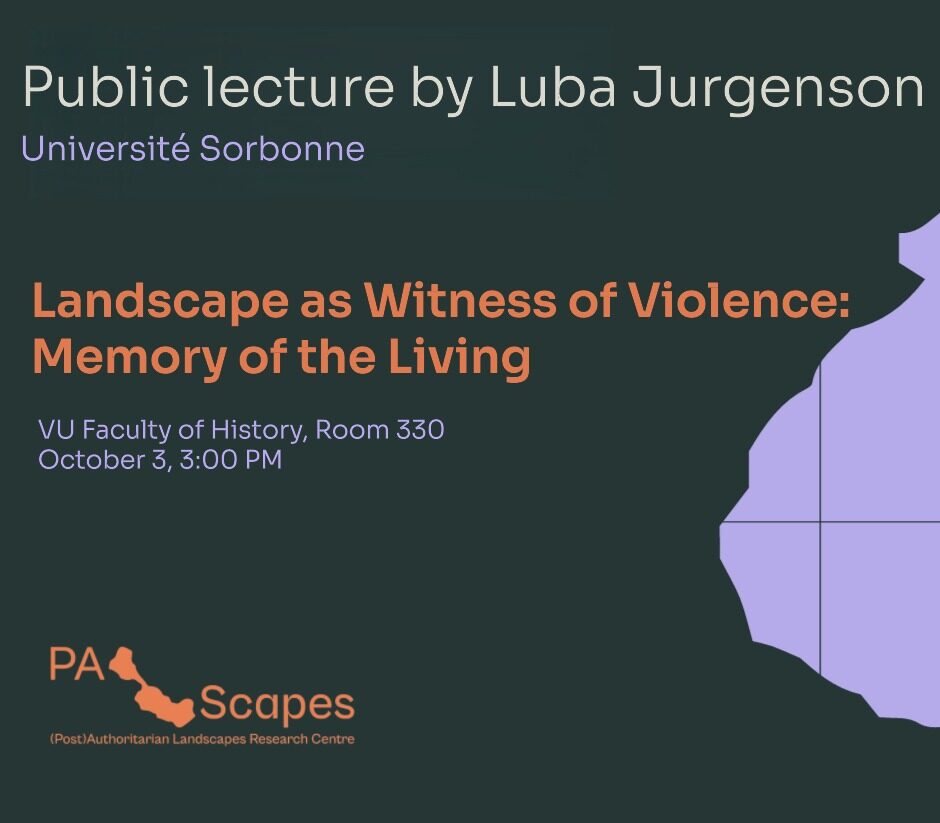
The conference panels continued these conversations, touching on war and colonial legacies, political ecology, memory and landscape, and the role of technology. The presentations covered a wide range of topics, from nuclear colonialism and damaged infrastructures to extractive capitalism, Indigenous animism, cultural heritage, smart cities, and artistic practices.
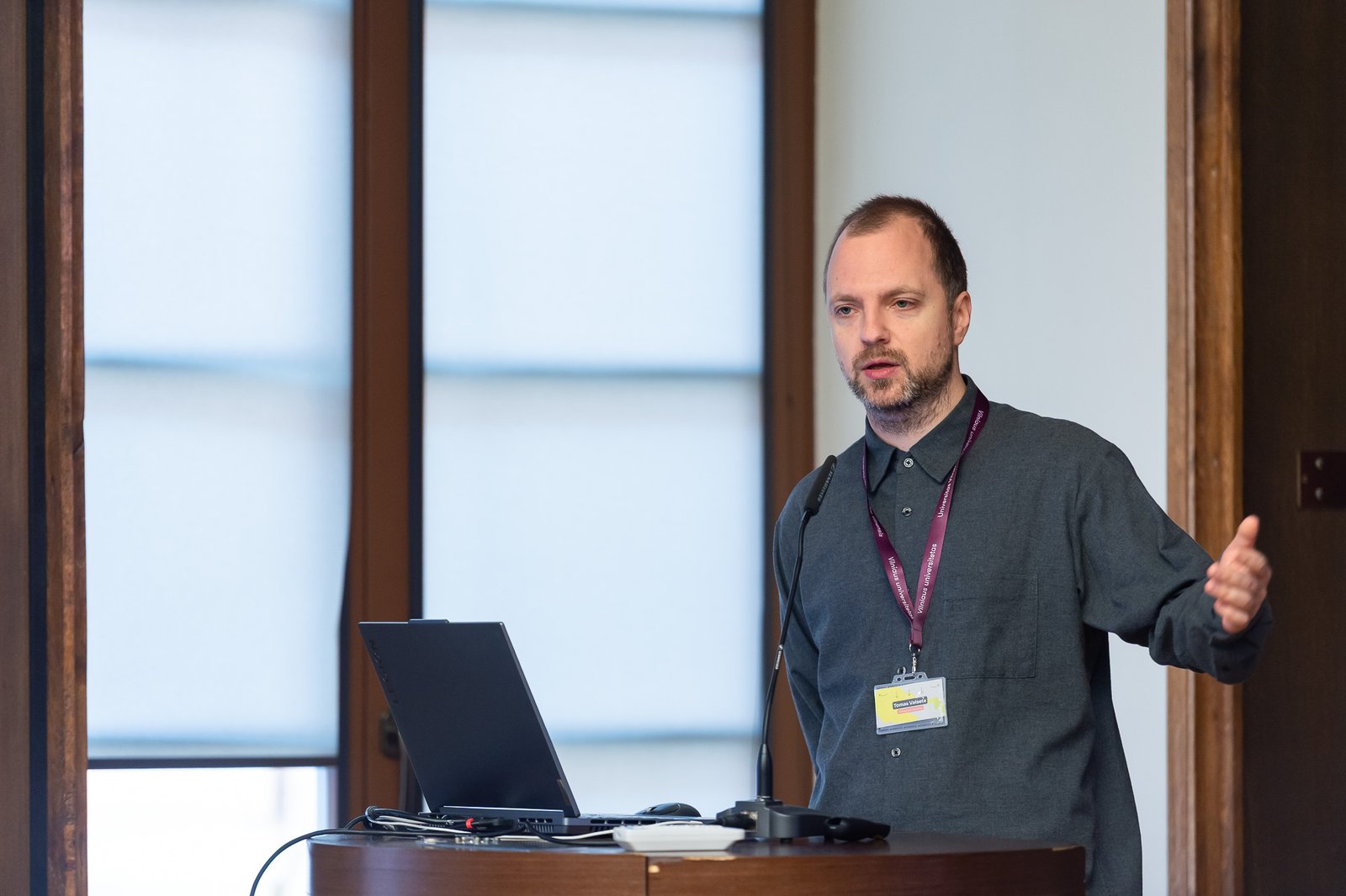
These themes were also explored by PAScapes researchers: Tomas Vaiseta introduced the concept of an “ecology of placemories” and historical co-walking as a way of exploring changing urban environments. Ieva Misiunė and colleagues examined the legacy of Soviet land reclamation in Lithuania and its impact on landscapes and human–nature relationships, Anda Pleniceanu analyzed non-human machinic witnessing and forensic visuality in the destruction of the Kakhovka dam, Tadas Šarūnas presented contemplative duo-autobiographic walking as a method for studying embodied and sensory relations with places.
We were delighted to see the conference receive such interest and would like to thank everyone who joined us to listen and take part in the discussions. A special thank you goes to our moderators and volunteers, whose time, help, and dedication contributed greatly to making the event run smoothly.
Read and listen to more:
Prof. Kristupas Sabolius talks about the conference (from 29:00): https://www.delfi.lt/a/120291425
Interview with Prof. Kristupas Sabolius: https://www.bernardinai.lt/filosofijos-profesorius-k-sabolius-nezinomybe-naudojama-tam-kad-butu-idiegta-negalimybe/
*Photos by M. Tonkov.