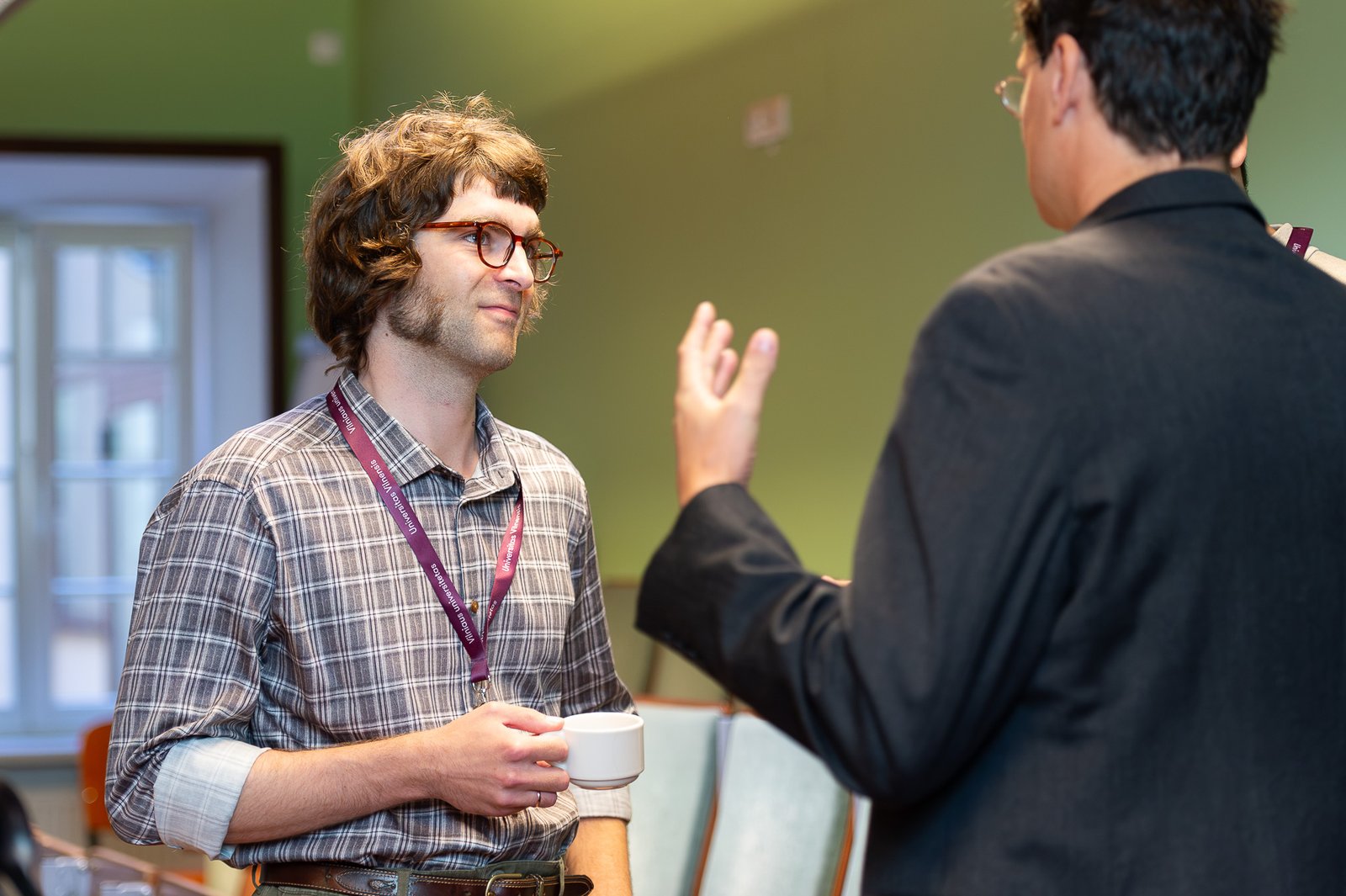
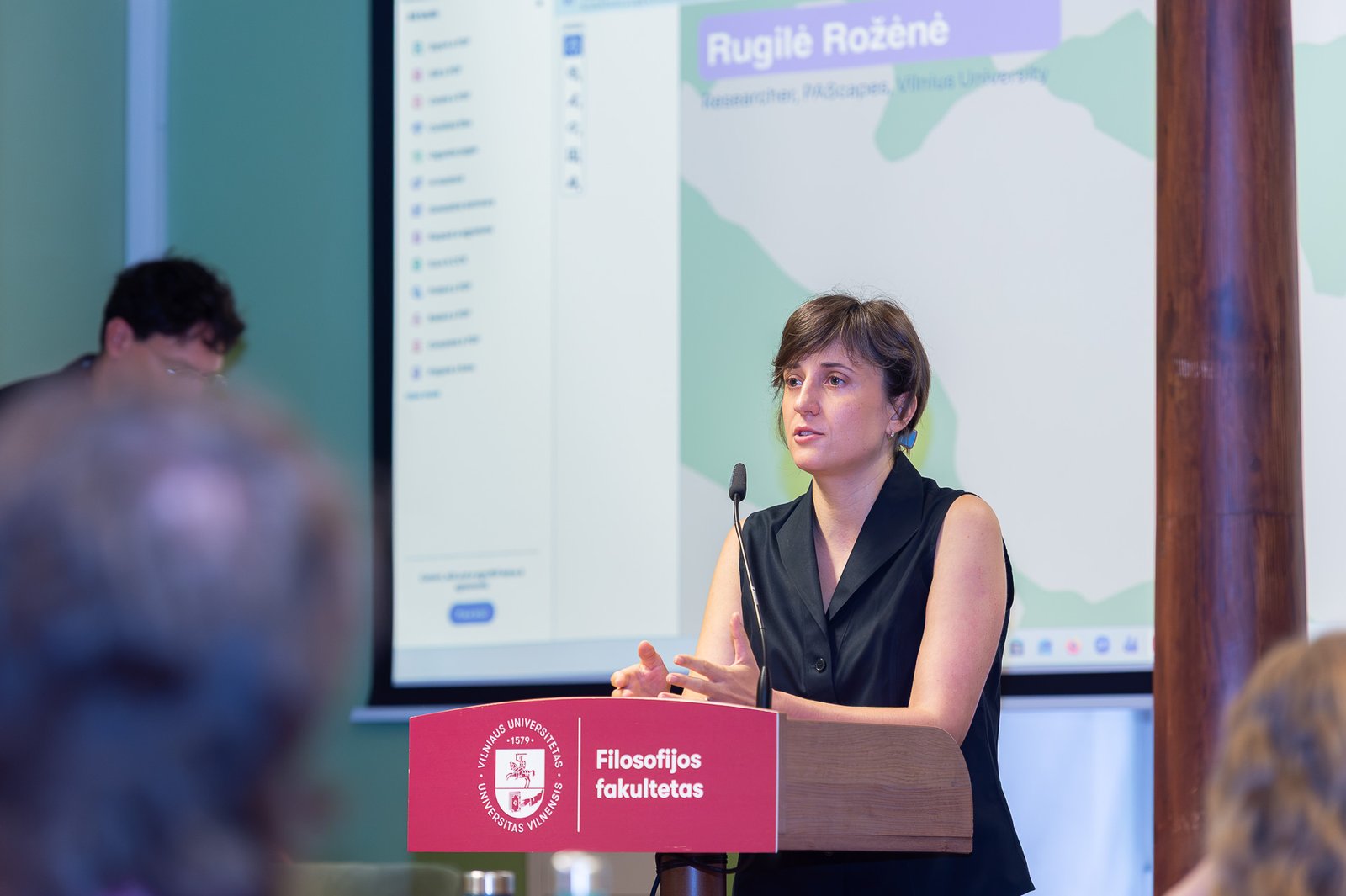
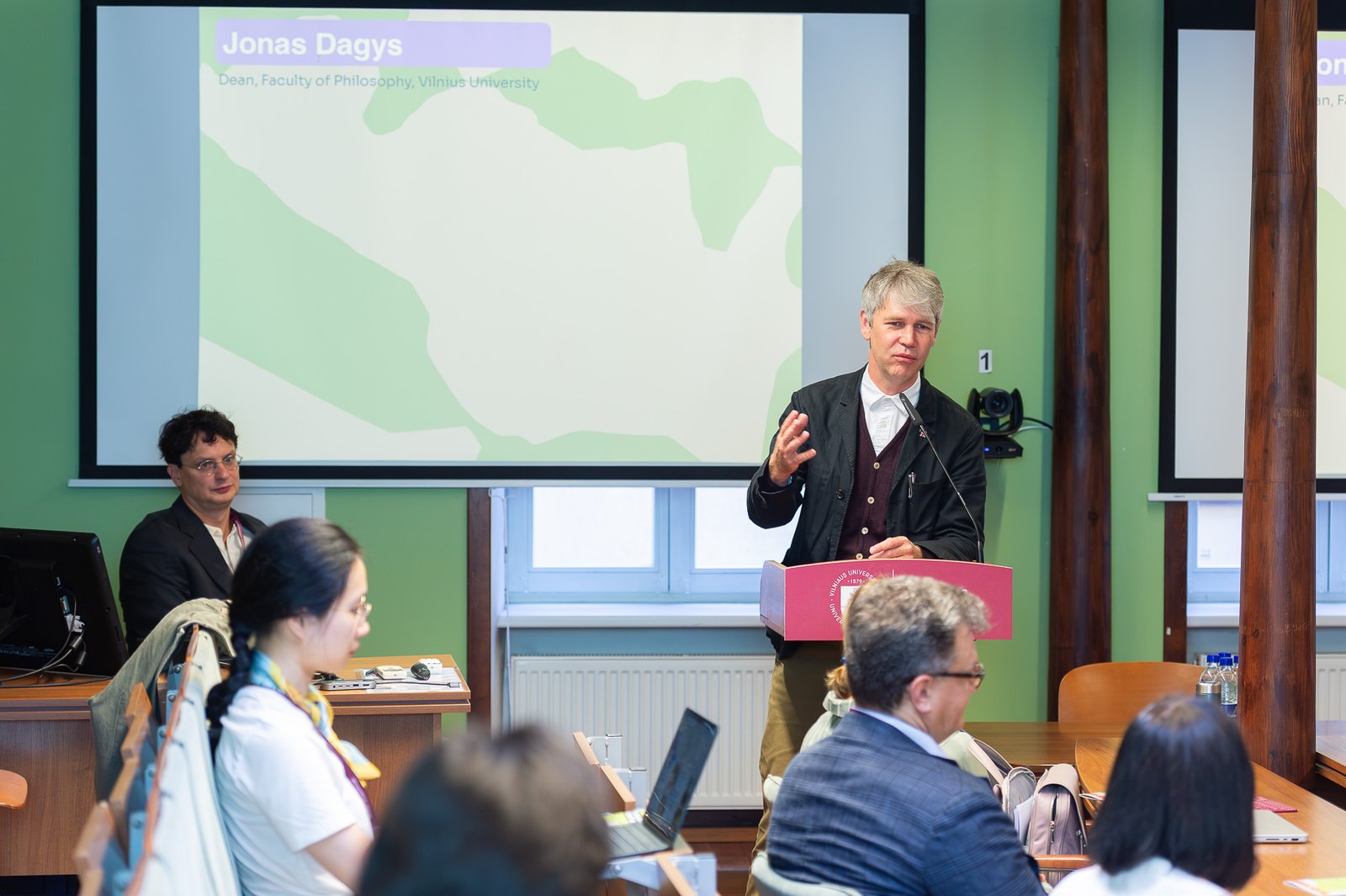
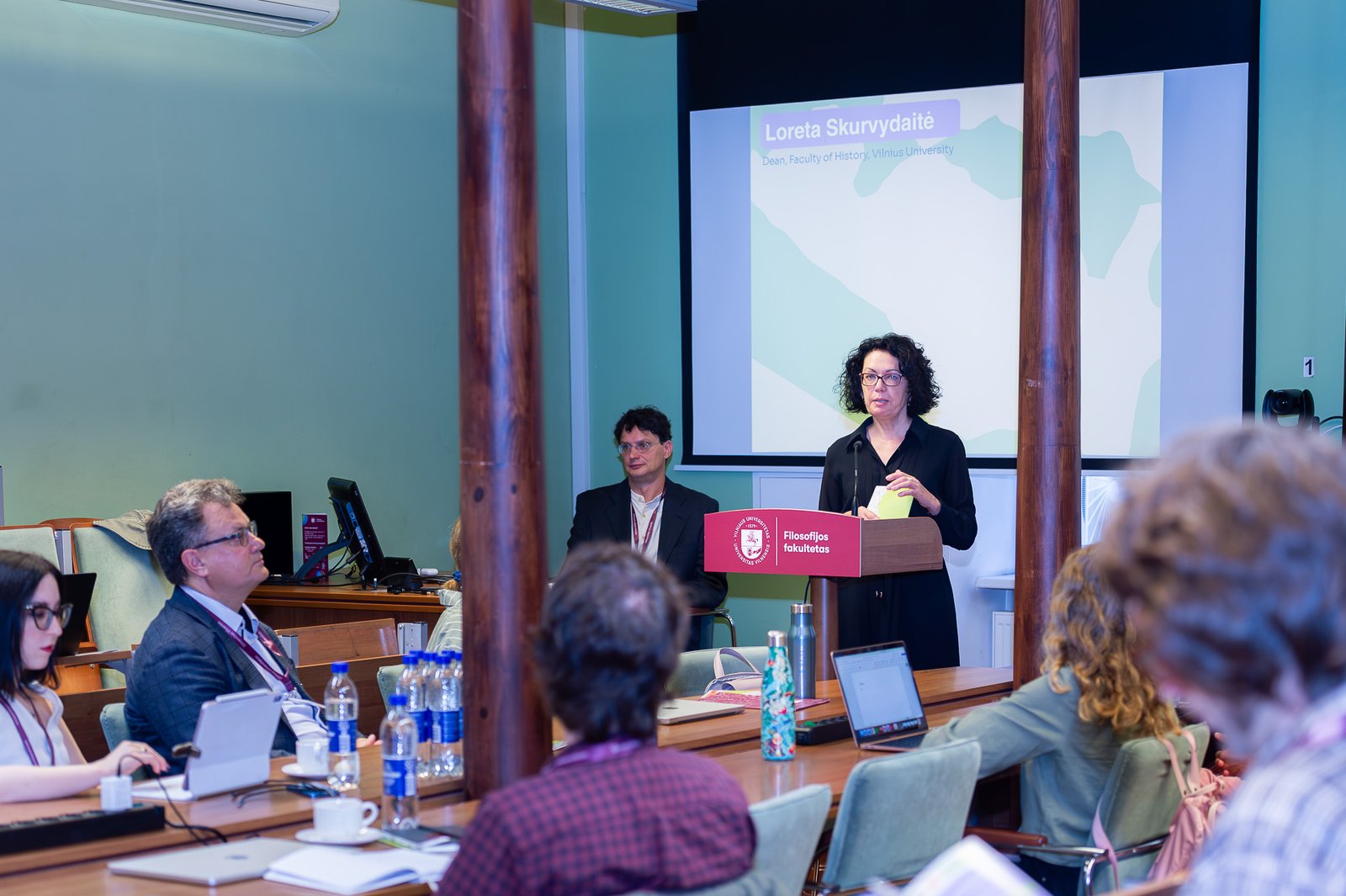
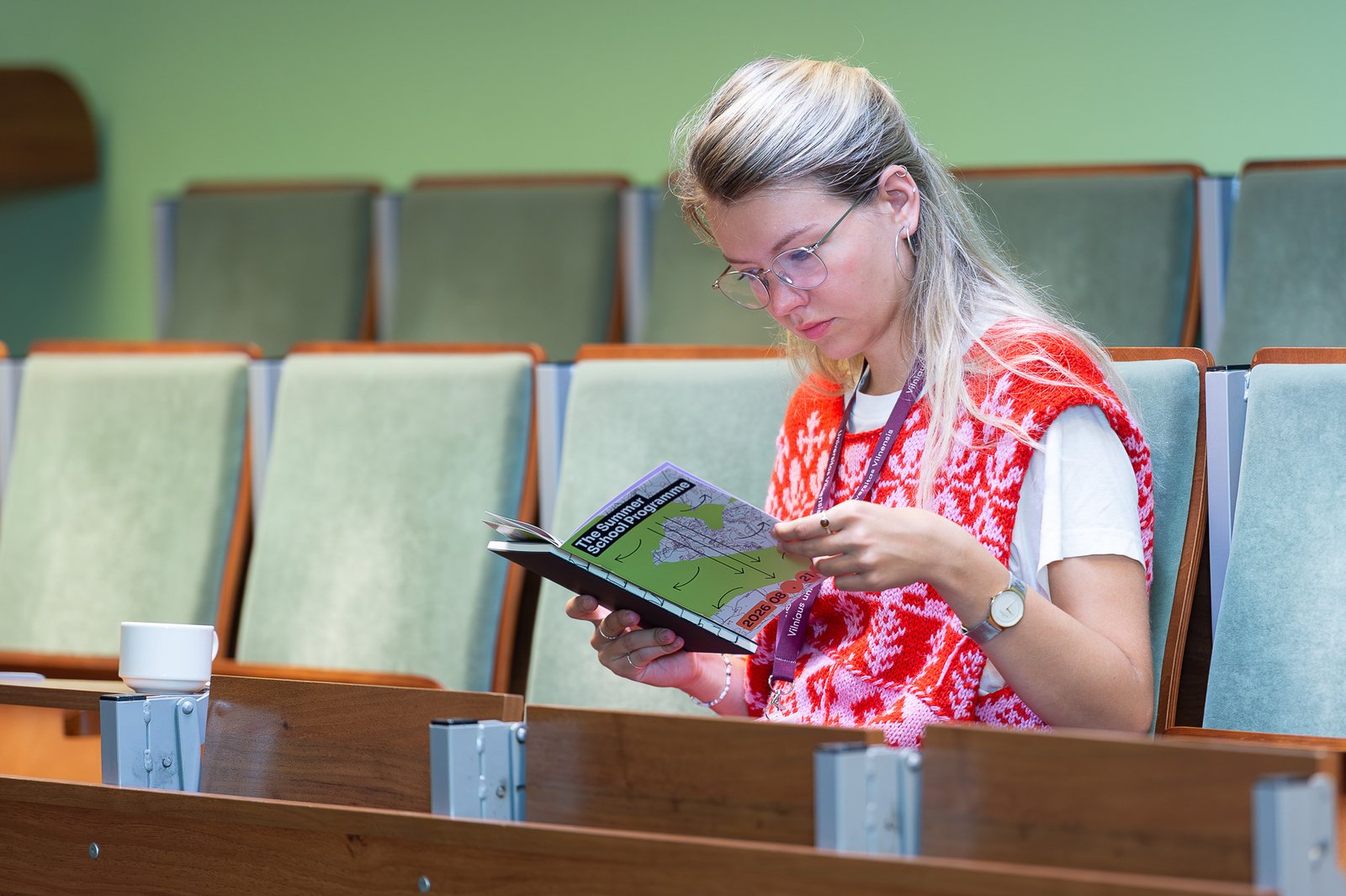
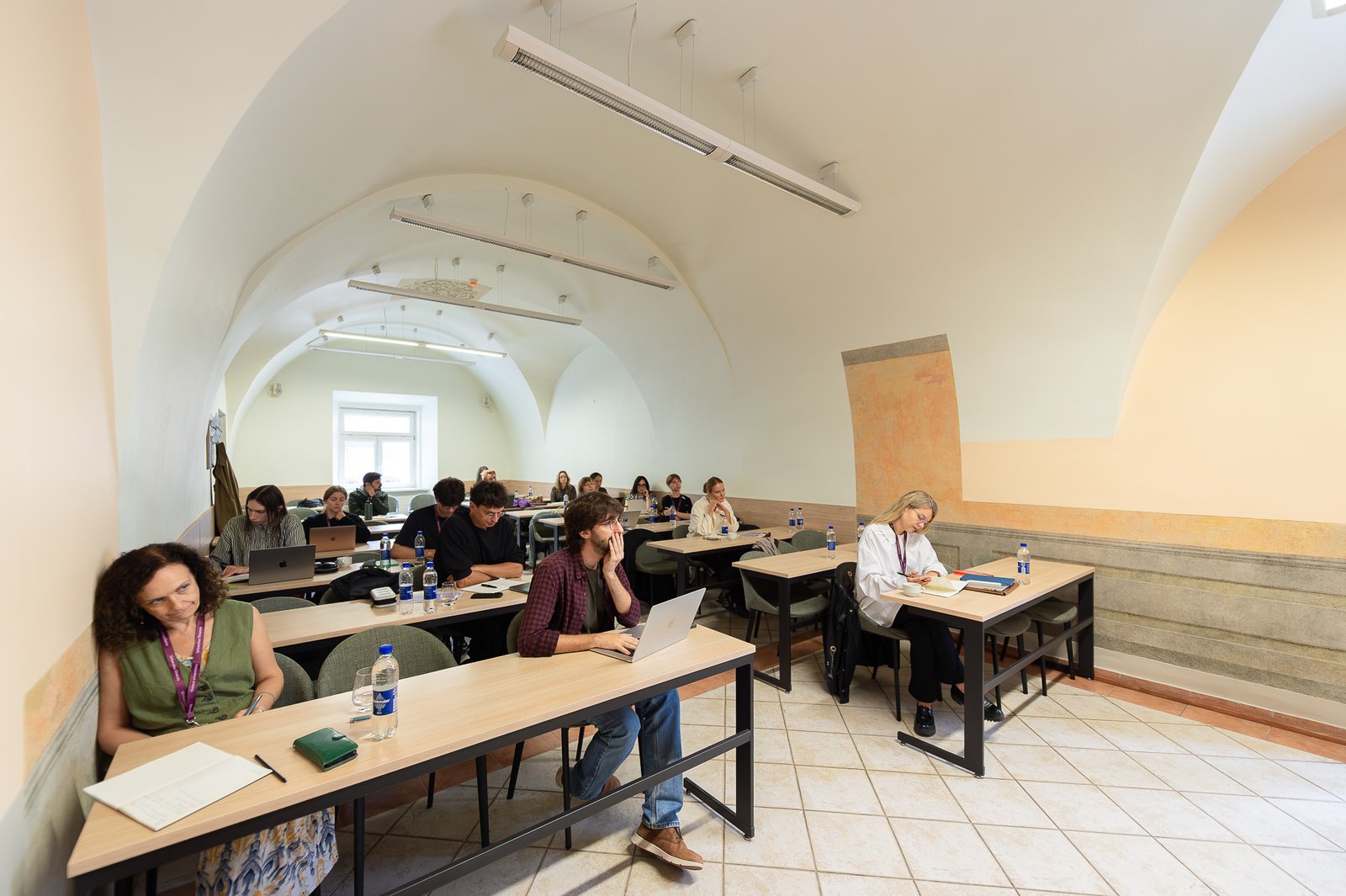
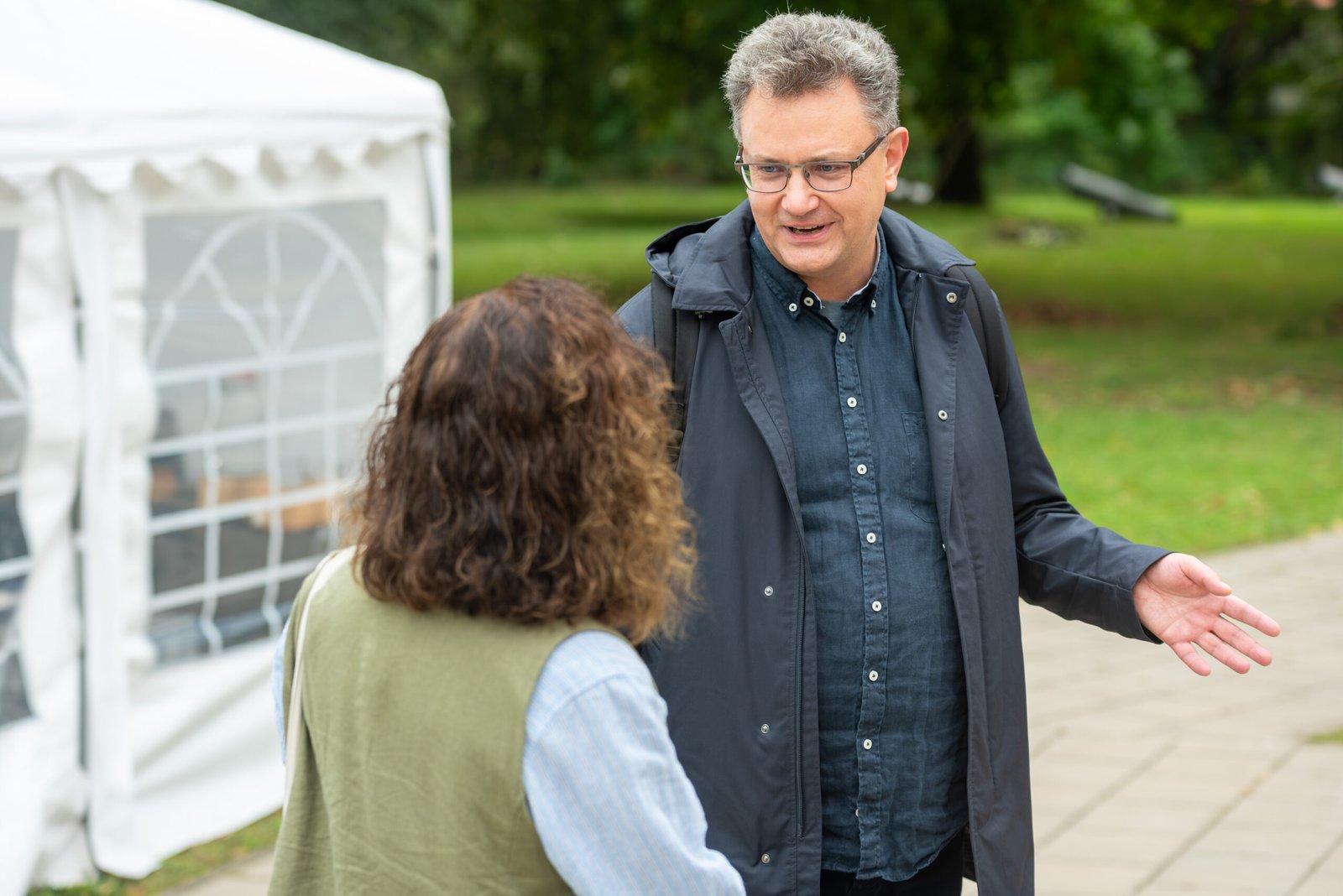
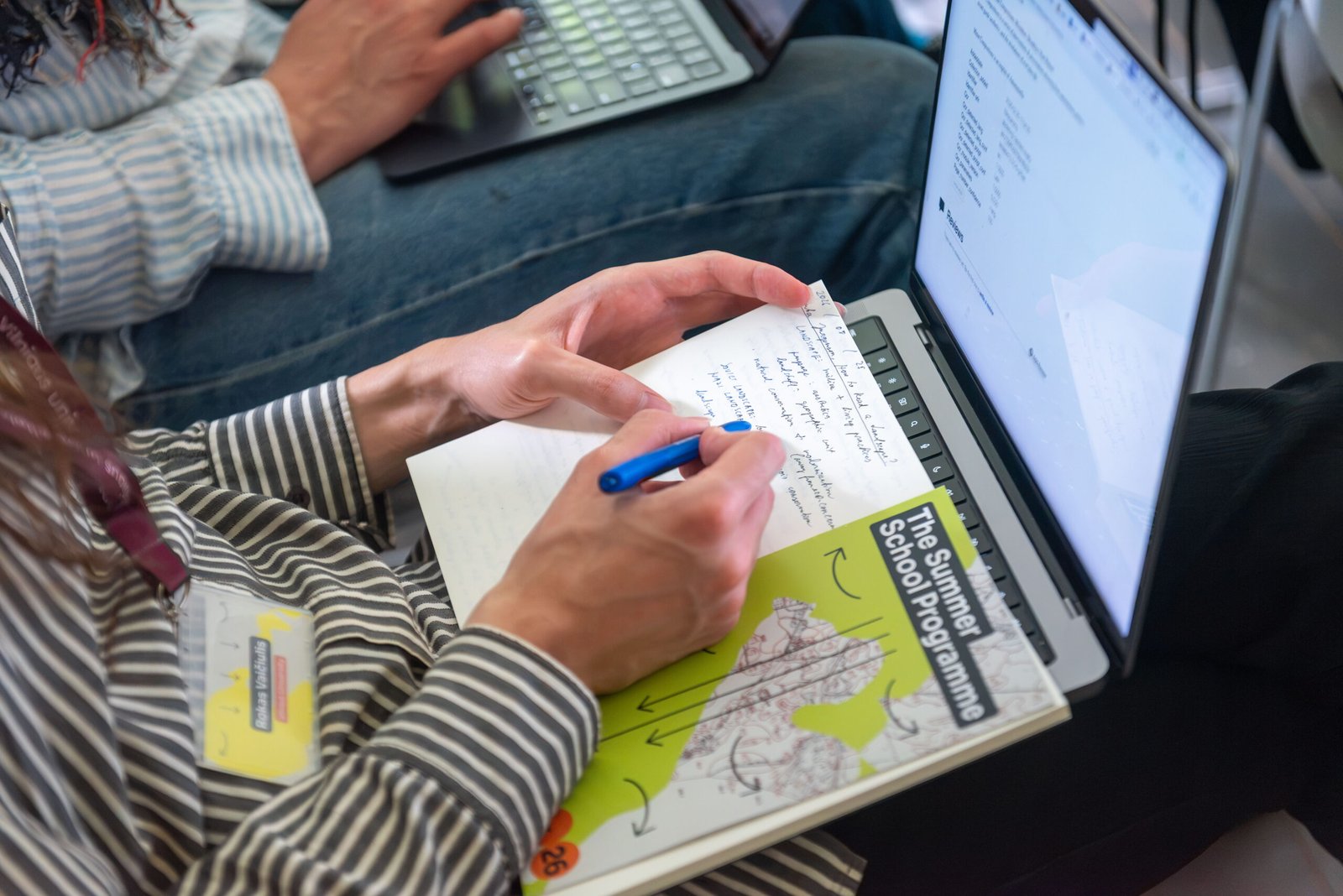
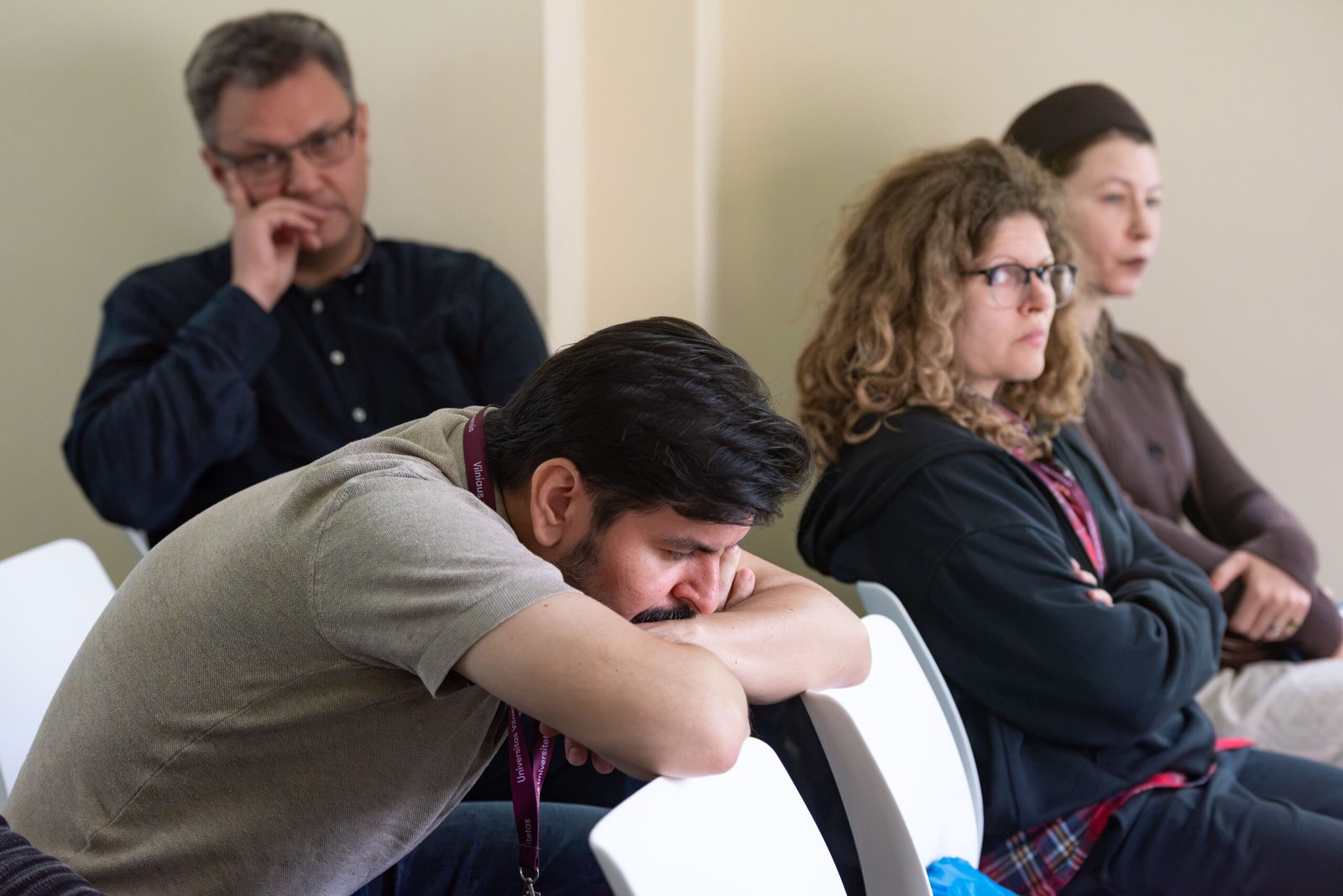
The third PAScapes Summer School took place in Vilnius from August 21 to 26, followed by the conference Ecosocial Ideas: Coexistence and Change.
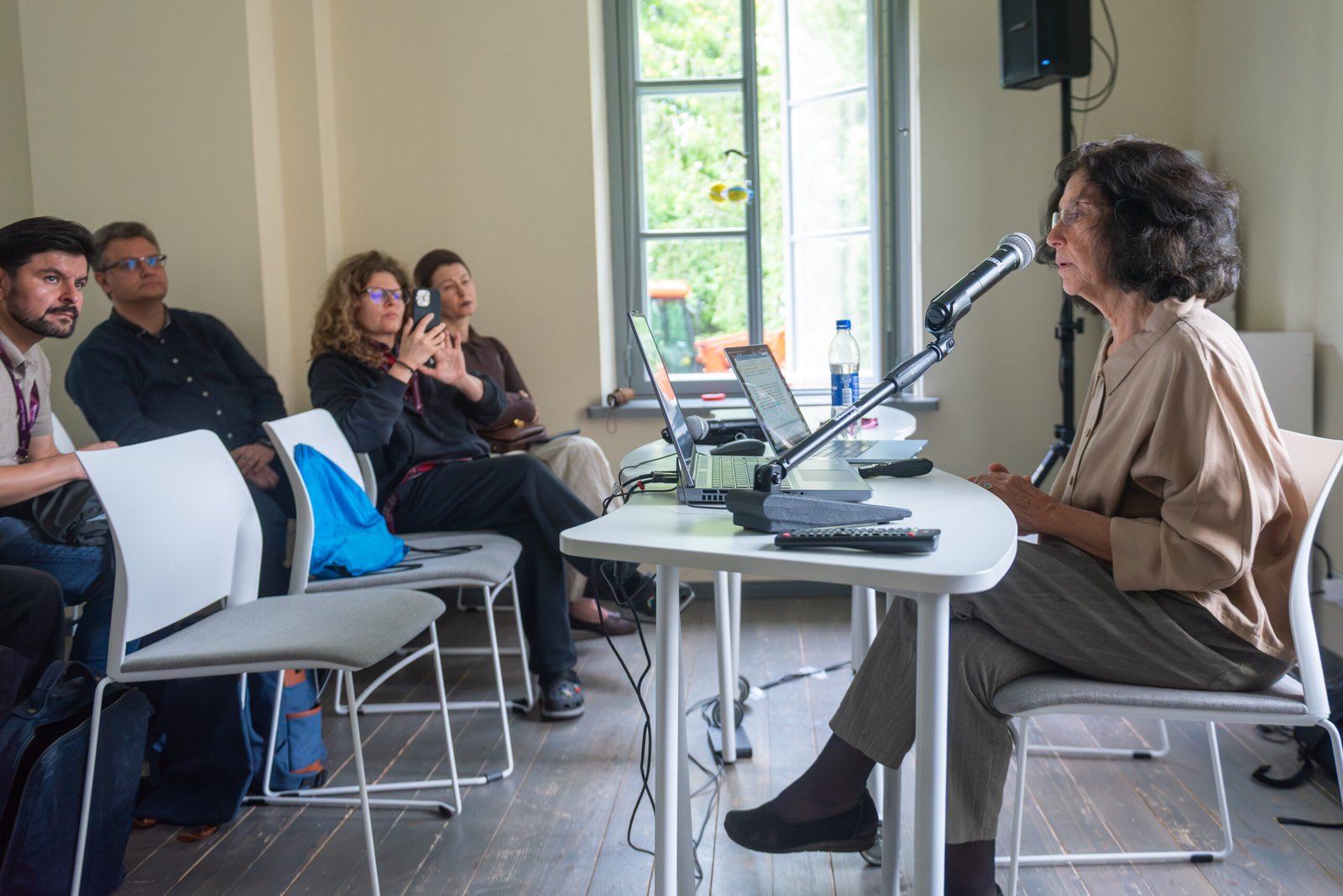
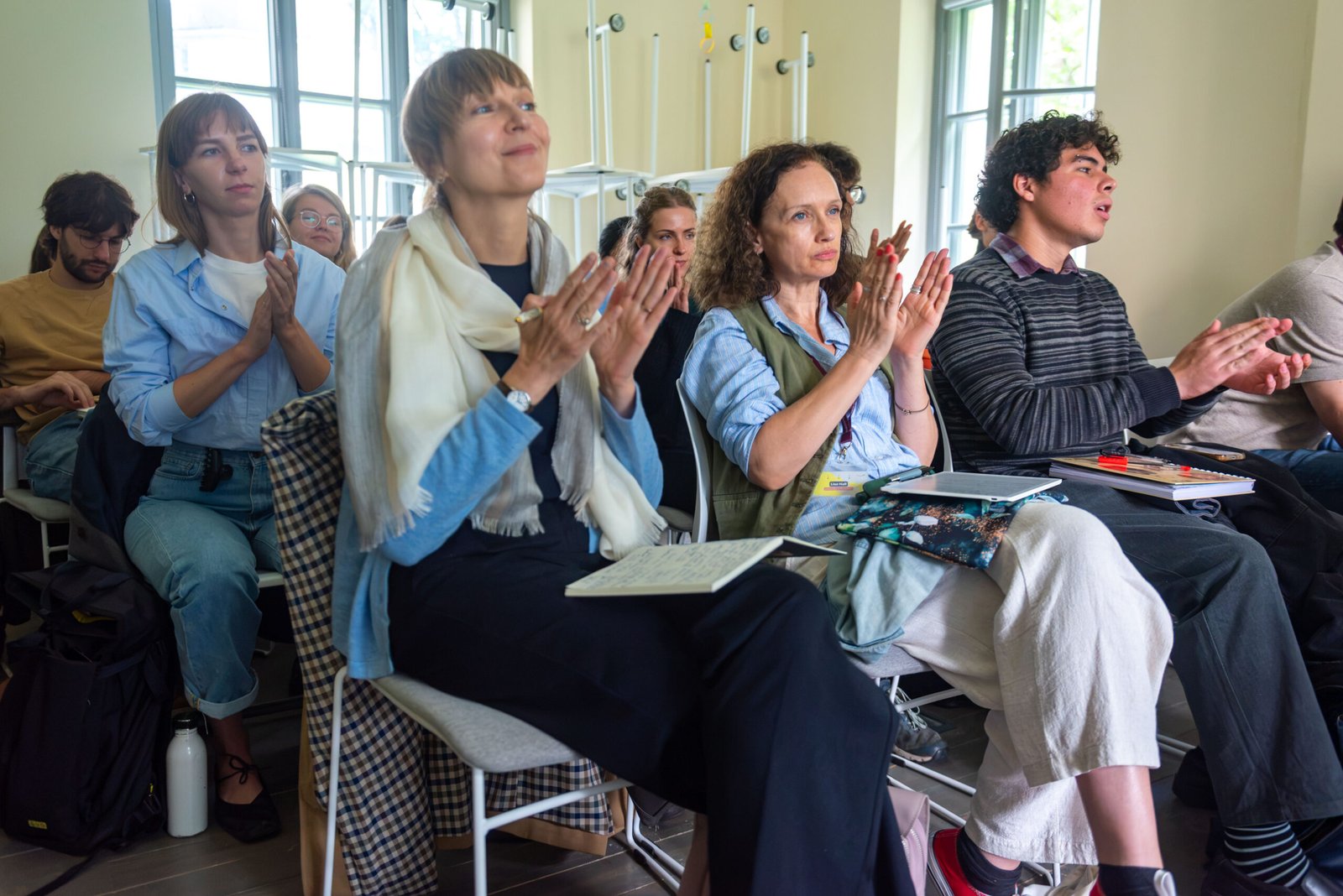
Throughout the week, participants attended various lectures and presentations exploring ecosocial topics from different perspectives. The keynote speakers included Marija Drėmaitė with “Ecosocial Reframing of Baltic Modernism,” Svitlana Matviyenko with “Un/waiting for War,” Luba Jurgenson with “How to Read a Landscape?”, Cary Wolfe with “Experimental Forest,” and Lambros Malafouris with “Creative Thinging.”
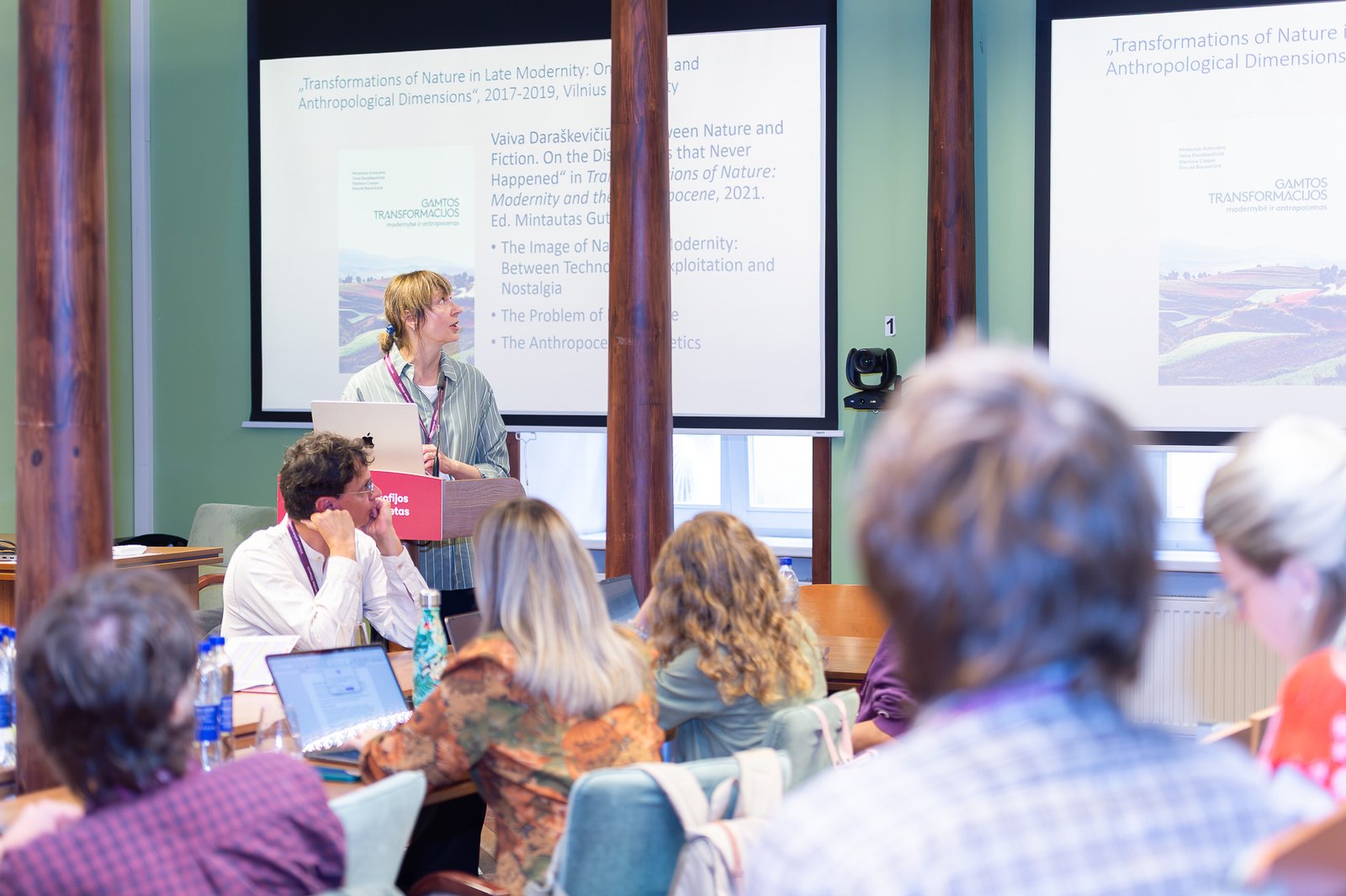
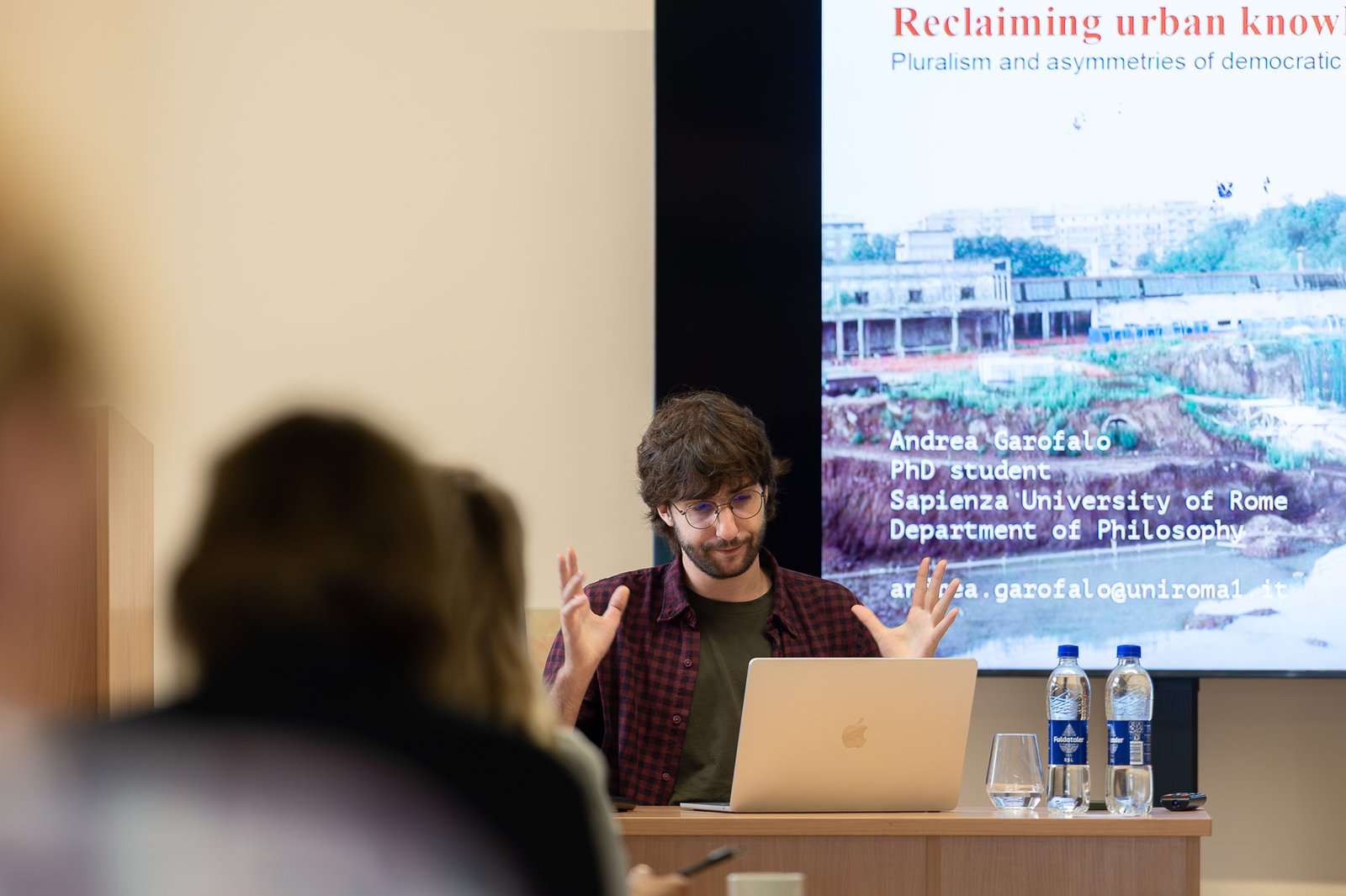
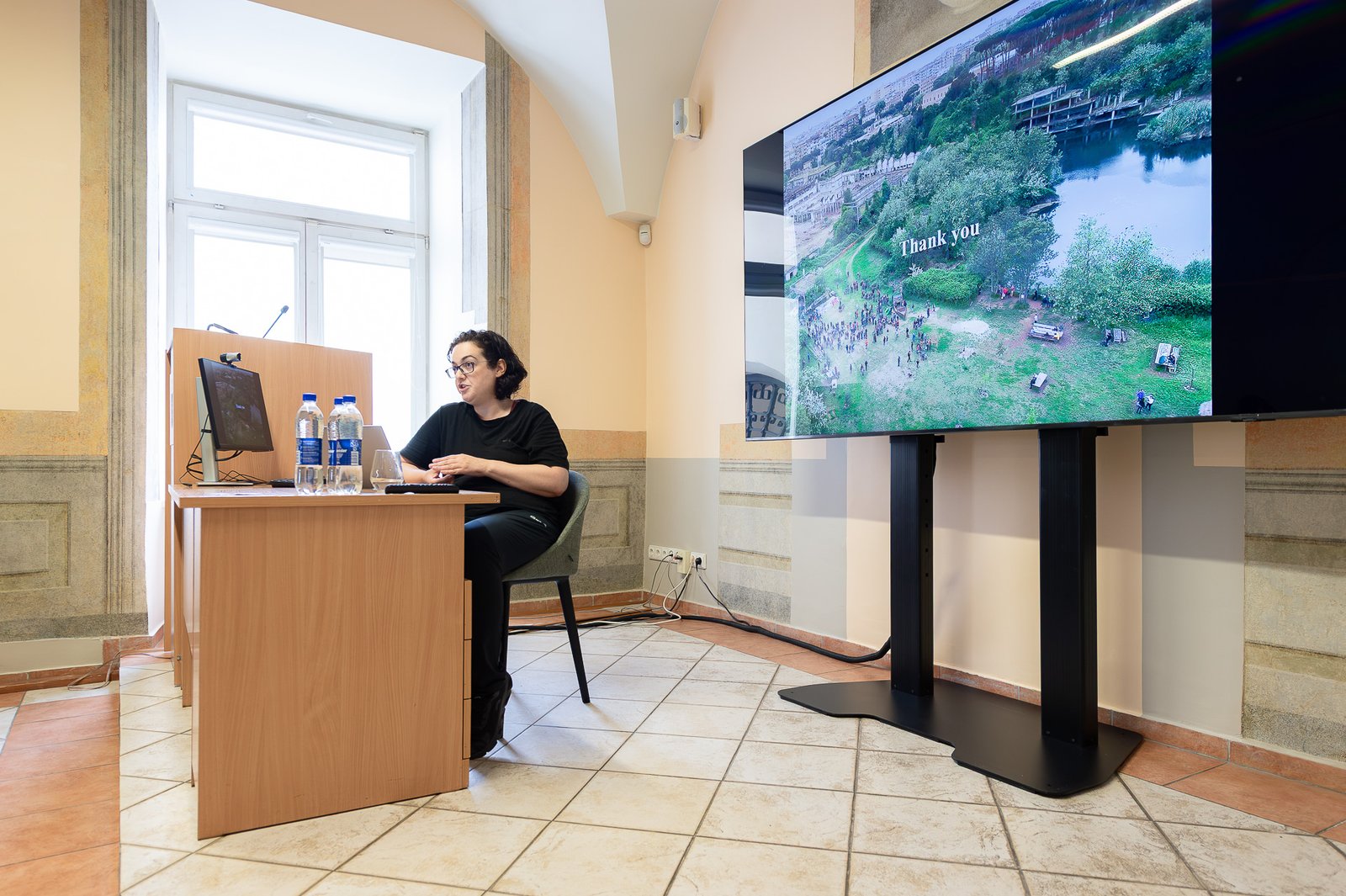
One of the central activities of the Summer School was the presentation of the participants’ own research. Over the course of the programme, participants presented their work on topics ranging from ecosocial ethics, ecosophy, and ecosocial politics to environmentalism, urban knowledge, wartime environmental responsibility, speculative fiction, and sociotechnical mediation. Each presentation was followed by an extensive response from an assigned respondent and a discussion.
Among the Summer School participants was Oksana Hutsalenko from the National Academy of Sciences of Ukraine, who presented “Environmental Responsibility in Hospitality in Wartime Ukraine.” Reflecting on the Summer School, she wrote:
“The PAScapes Summer School was a very valuable experience for me. I especially appreciated meeting people who share similar values and concerns while coming from very different parts of the world. All the presentations and discussions about what it means to be human, how we coexist with our environments, and how vulnerability, risk, and responsibility are distributed made these questions feel much less abstract. One idea that particularly stayed with me was Lambros Malafouris’s understanding of humans as ‘STRANGE’: Situated TRANsactional Genesis. The idea that human beings continuously become through relations with the material world. Also, it was really very important to receive thoughtful feedback on my own work from Ilona Jurkonytė and to see that my research is part of this broader academic conversation.”
Ieva Butkutė, a doctoral researcher at the Vilnius Academy of Arts, presented “Reclaiming the Unwanted: Trees on Man-Made Land.” Reflecting on her first experience of an intensive Summer School format for doctoral researchers, she wrote:
“First of all, it was a great opportunity to step outside my comfort zone, present my doctoral research, make new connections, and engage in dialogue with doctoral students from other fields, such as philosophy and philology. Secondly, it was extremely valuable to receive feedback from professionals in the field and to listen to presentations by world-class researchers. Most importantly, the Summer School brought together researchers from different fields through the topic of ecosociality. It is therefore a great and much-needed format for building a community and expanding interdisciplinary knowledge.”
We would like to thank the respondents – Mintautas Gutauskas, Sebastián Lomelí Bravo, Anda Pleniceanu, Vaiva Daraškevičiūtė, Marina Christodoulou, Ilona Jurkonytė, and Vytis Silius – for their comments and feedback on the participants’ research.
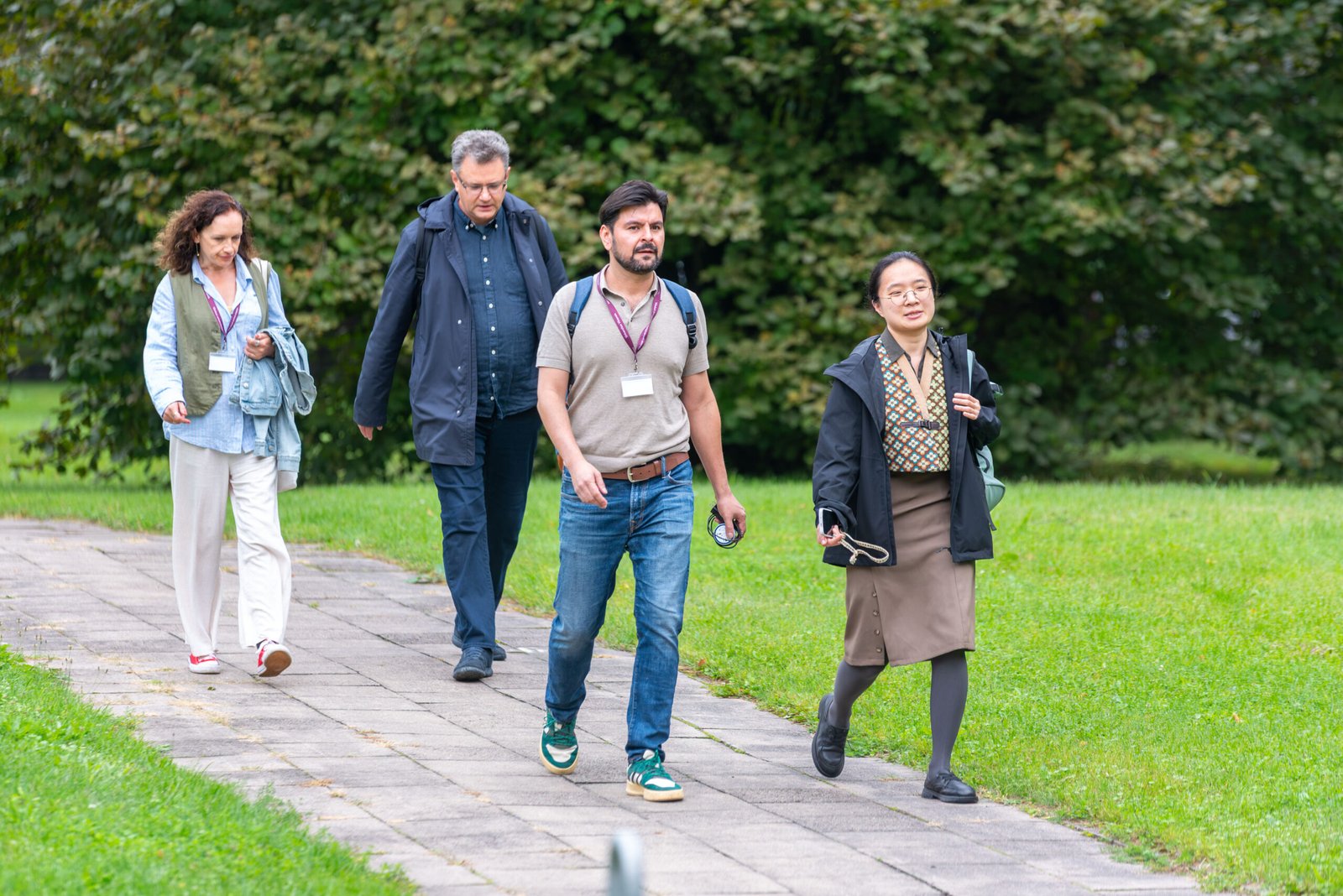
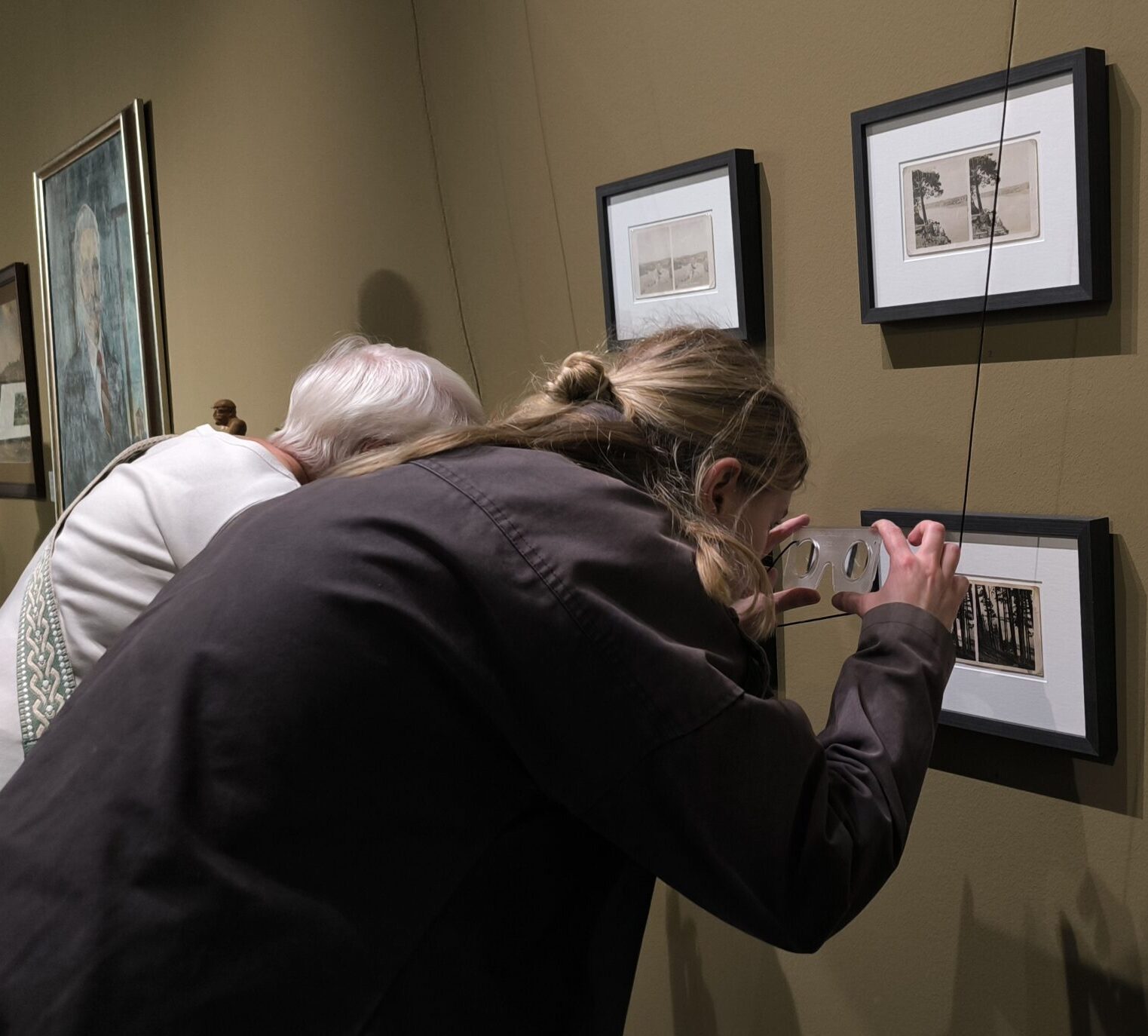
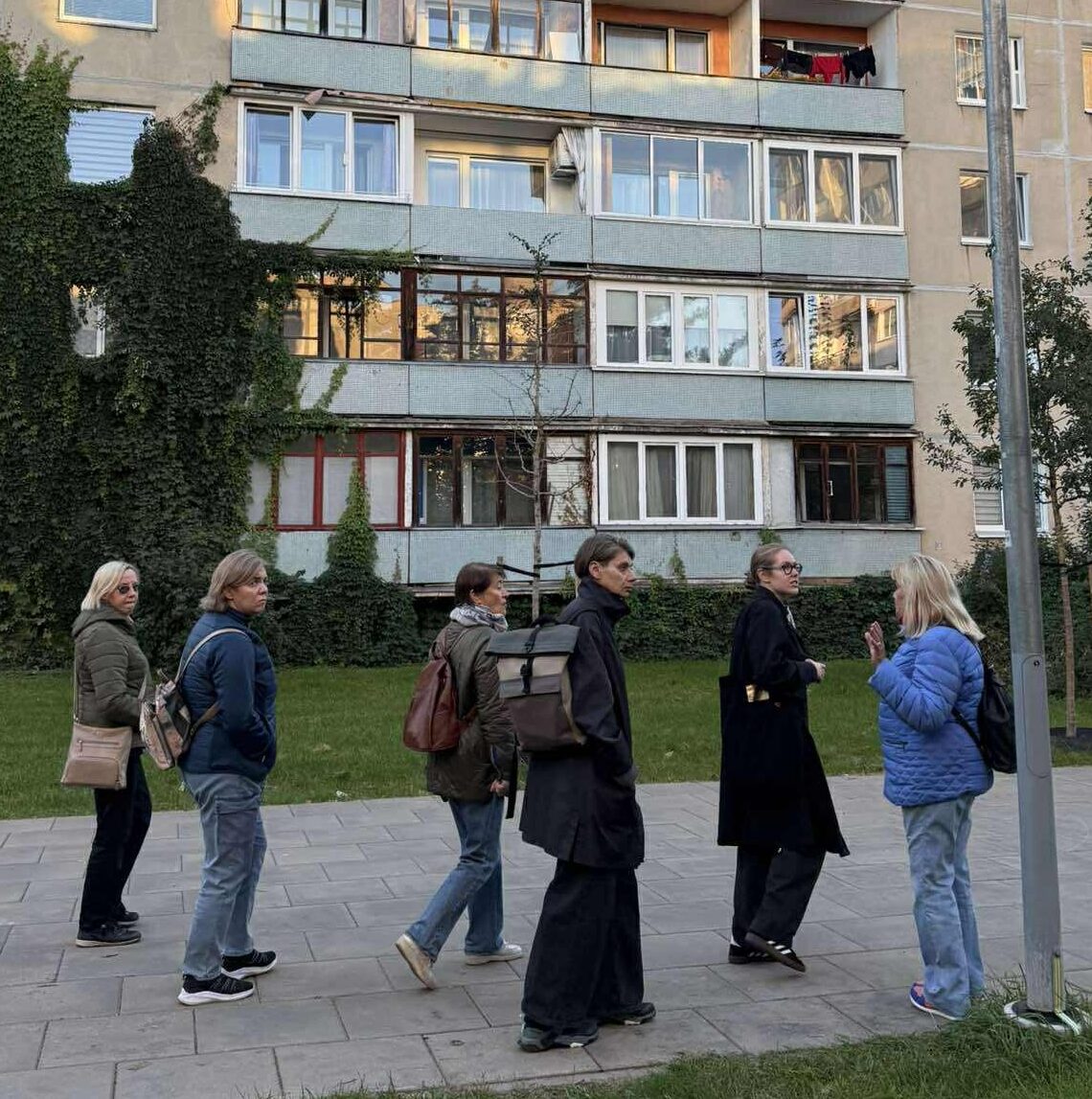
Alongside the lectures and research presentations, the programme included several activities outside the classroom. Participants joined a guided walk through Vingis Park (organized by PAScapes geographer Julius Mačiulaitis), and took part in an introductory guided tour at the Vilnius University Observatory of Ideas.
*Photos by M. Tonkov, T. Terekas.