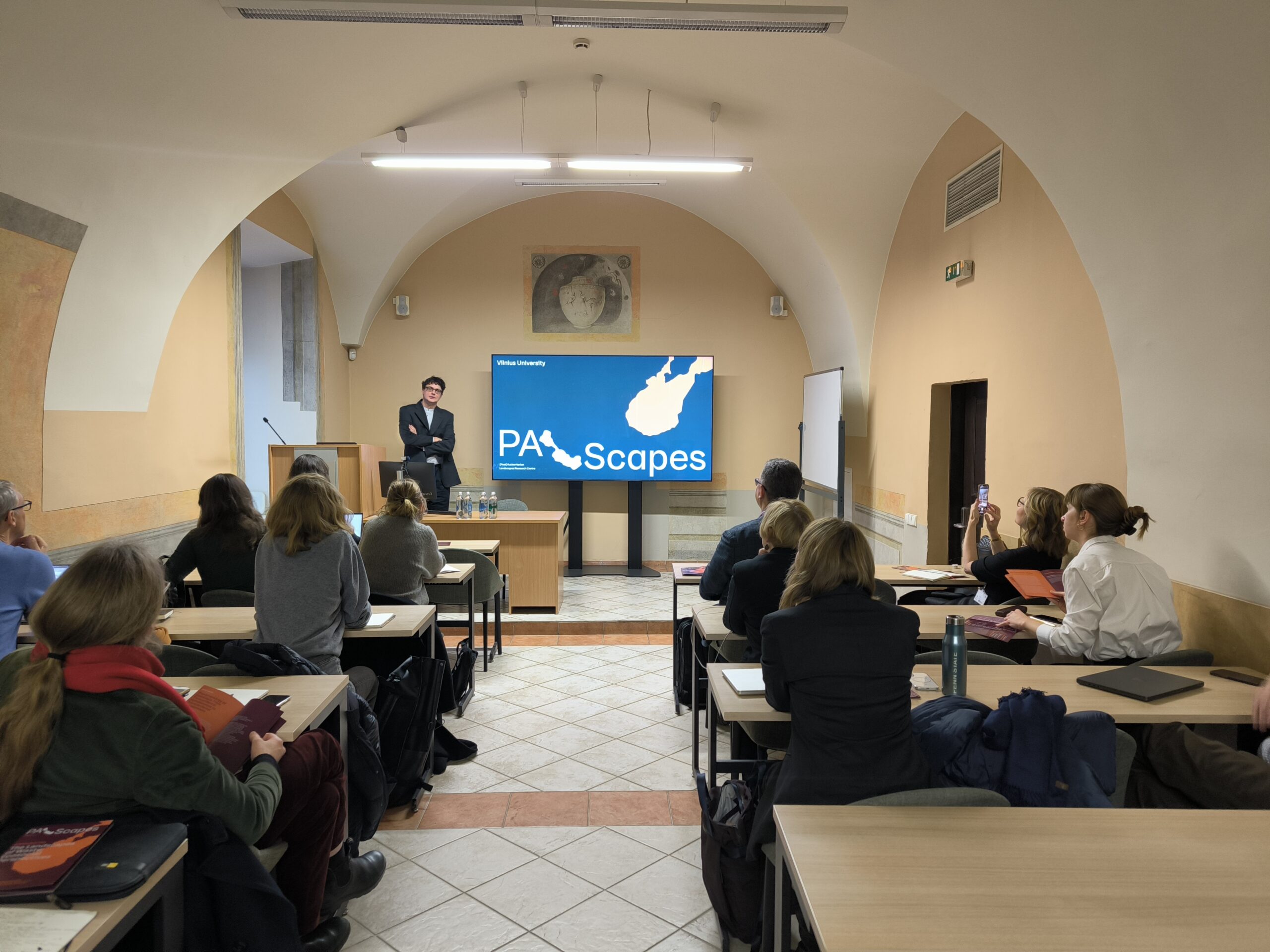
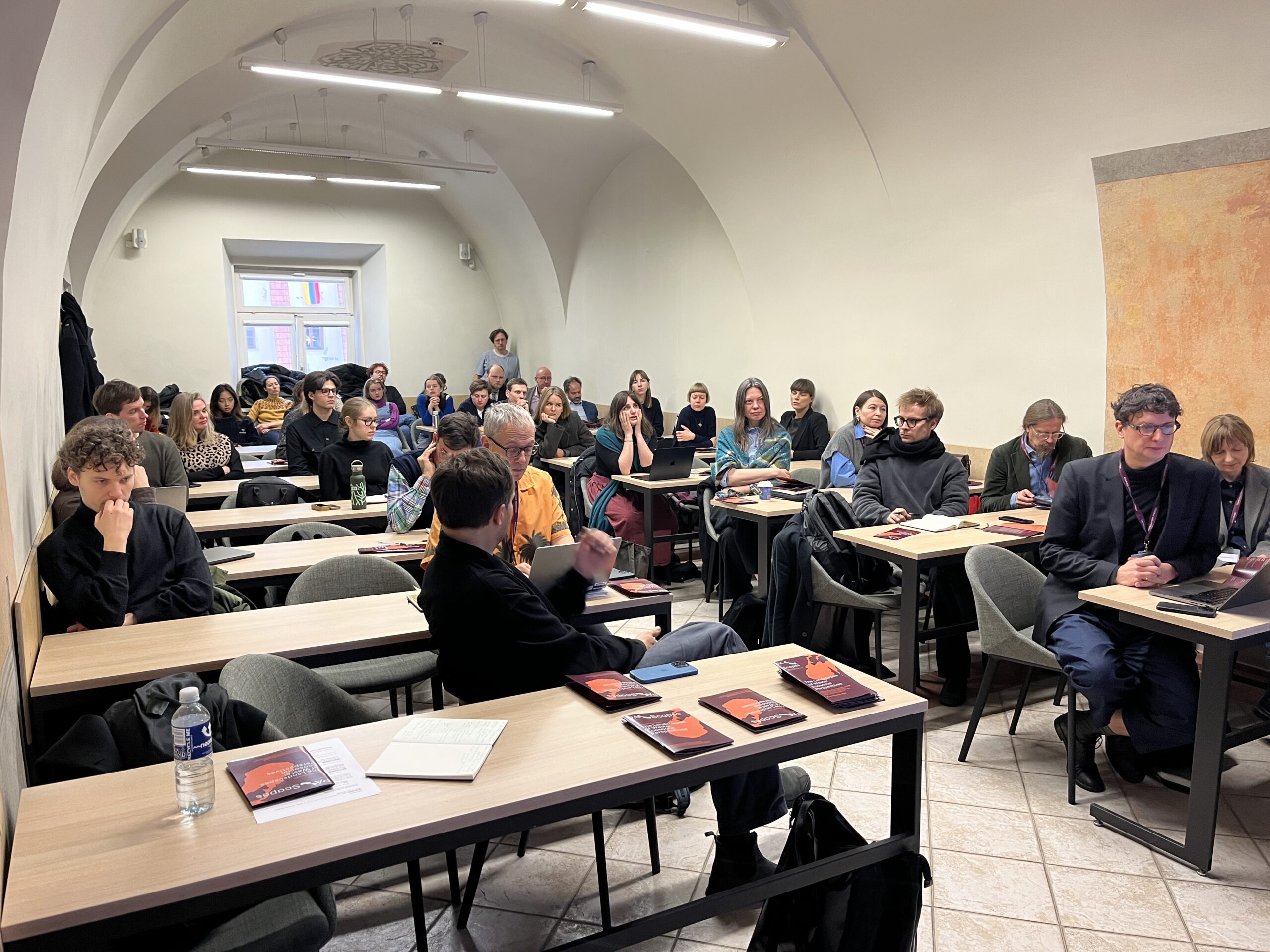
The annual conference of the (Post)Authoritarian Landscape Research Centre (PAScapes), held on 17–18 December at Vilnius University, and organised by PAScapes researchers Marija Drėmaitė, Eglė Rindzevičiūtė and Mintautas Gutauskas, brought together scholars from diverse disciplines to analyse and discuss landscapes of waste. Selected researchers from the fields of philosophy, cultural studies, anthropology, art, political theory explored how waste reshapes landscapes, social relations, memory, and forms of belonging. Rather than treating waste as something to be hidden, the conference framed it as an active agent that exposes inequalities, challenges anthropocentric worldviews, and calls for new ethical, political, and aesthetic responses.
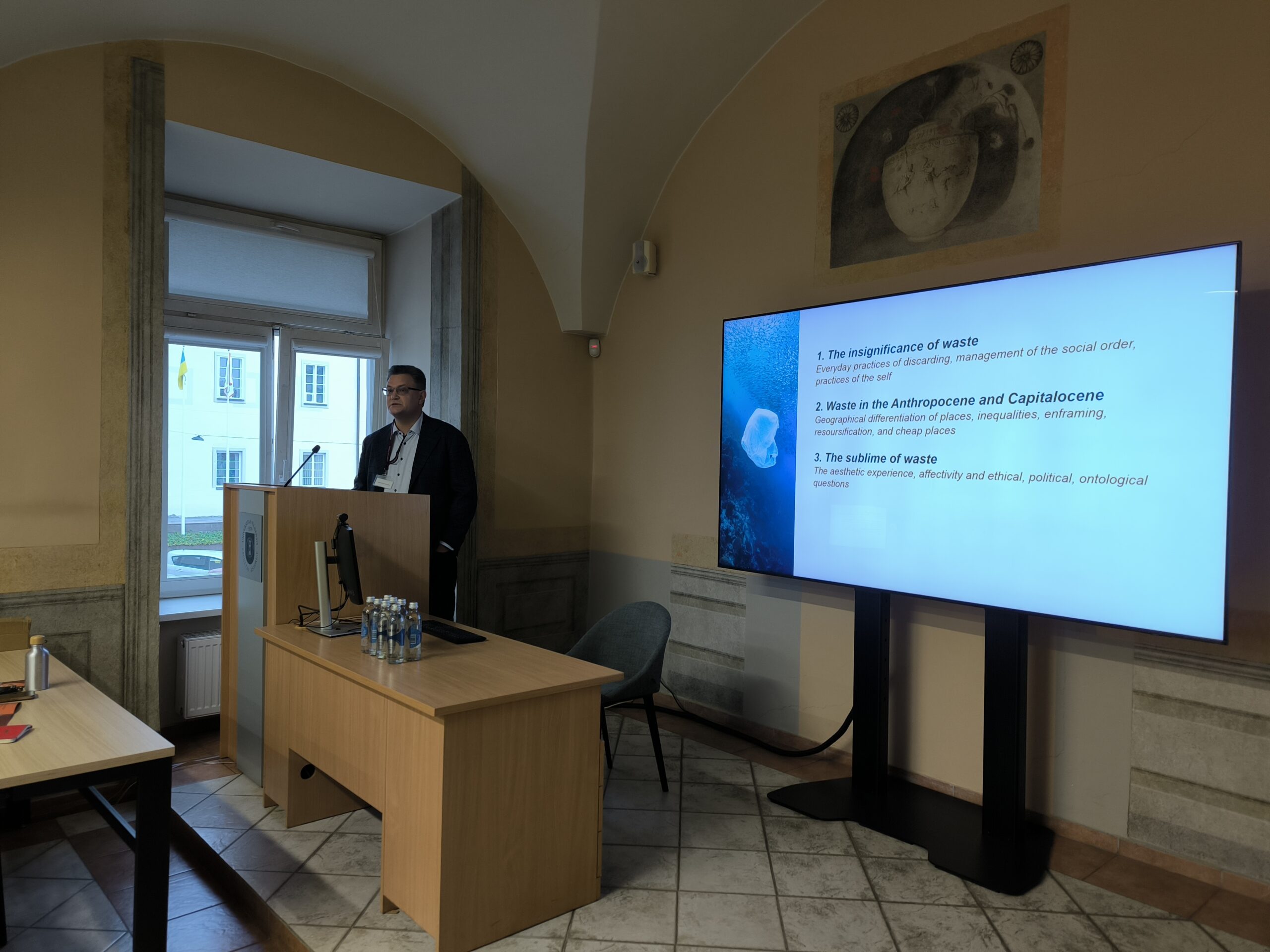
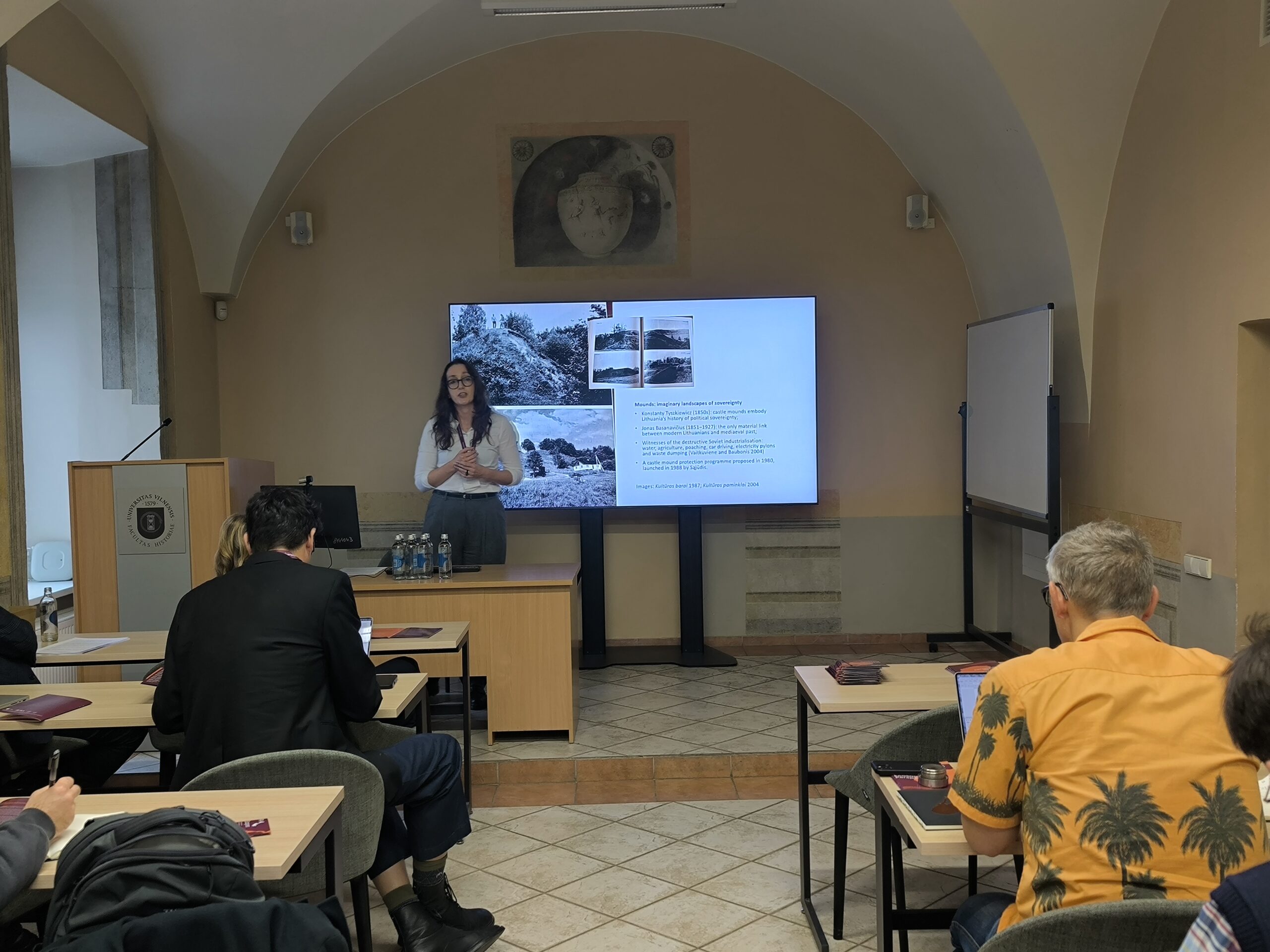
The conference opened with Mintautas Gutauskas (Vilnius University, PAScapes), who argued that waste, treated as marginal or invisible, now has become central in the anthropocene. Far from being insignificant, waste exposes global inequalities and pushes us to rethink time, space, and our responsibilities toward other species. Eglė Rindzevičiūtė (Kingston University London, also PAScapes) followed by showing how landfill landscapes in Soviet and post-Soviet Lithuania have acquired strong political meaning, becoming sites where waste intersects with nationalism, inheritance, and everyday life. Axel Andersson (Royal Institute of Art) conceptualized nuclear waste as an enduring trace of the industrial state. In the author’s view, approaching this waste not only as a technical problem or a warning but also as an unconscious aesthetic work opens up new ways of sensing, remembering, and critically experiencing the legacy of state power through the landscapes it has produced. Victoria Donovan (University of St Andrews) focused on Ukraine’s industrial borderlands, where communities transform industrial waste into a foundation for social life, culture, and shared identity, rather than viewing it solely as contamination.
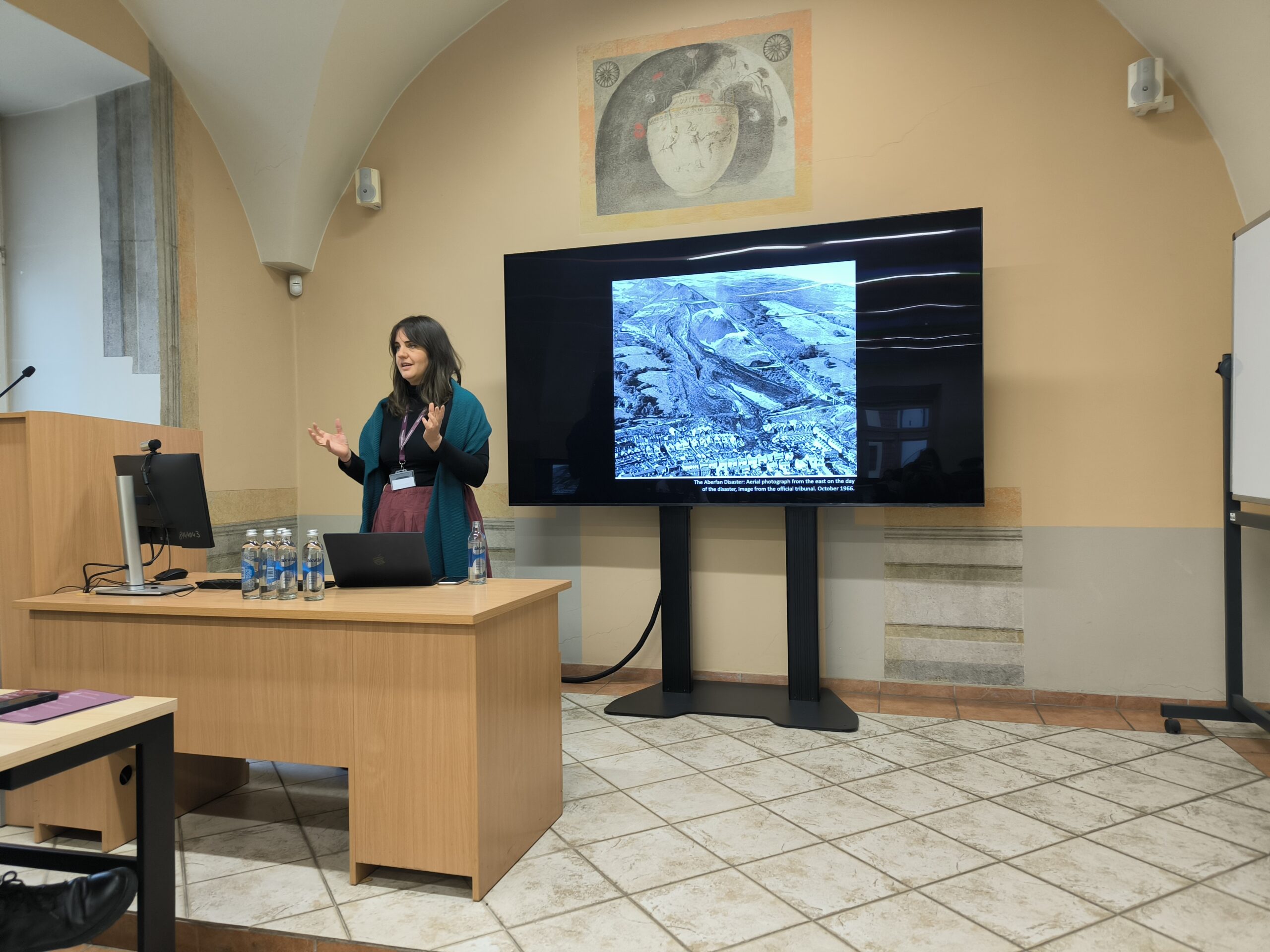
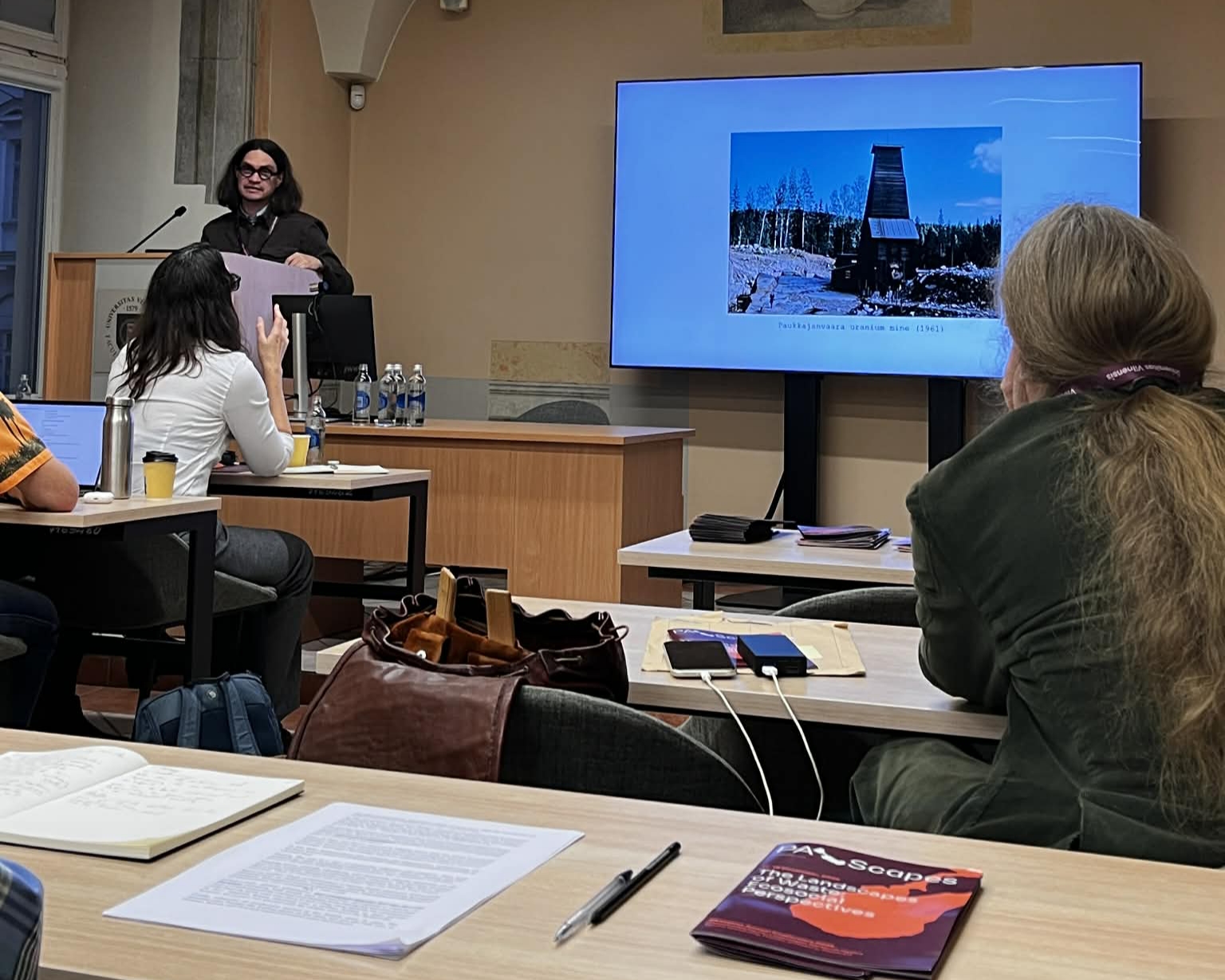
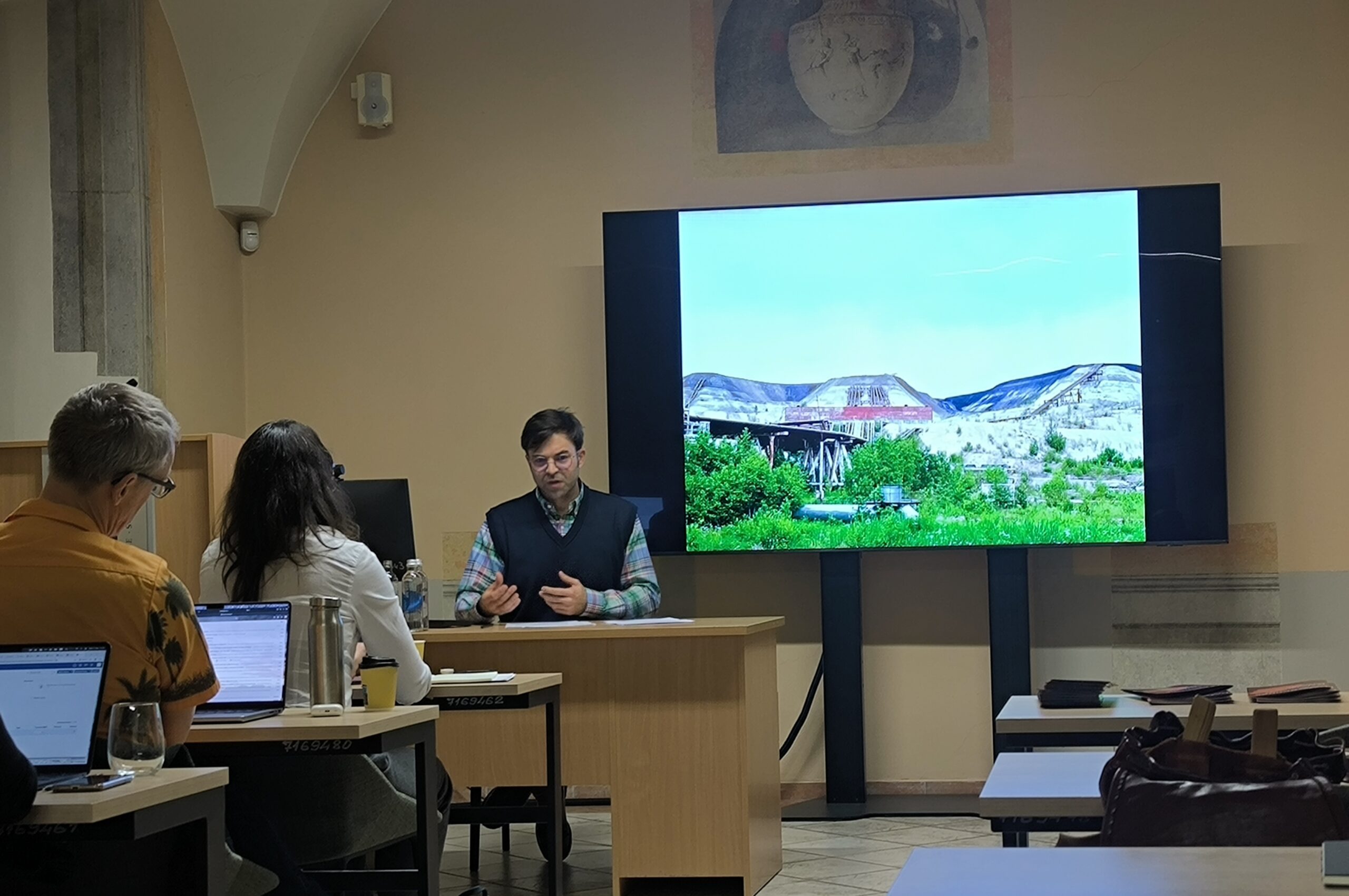
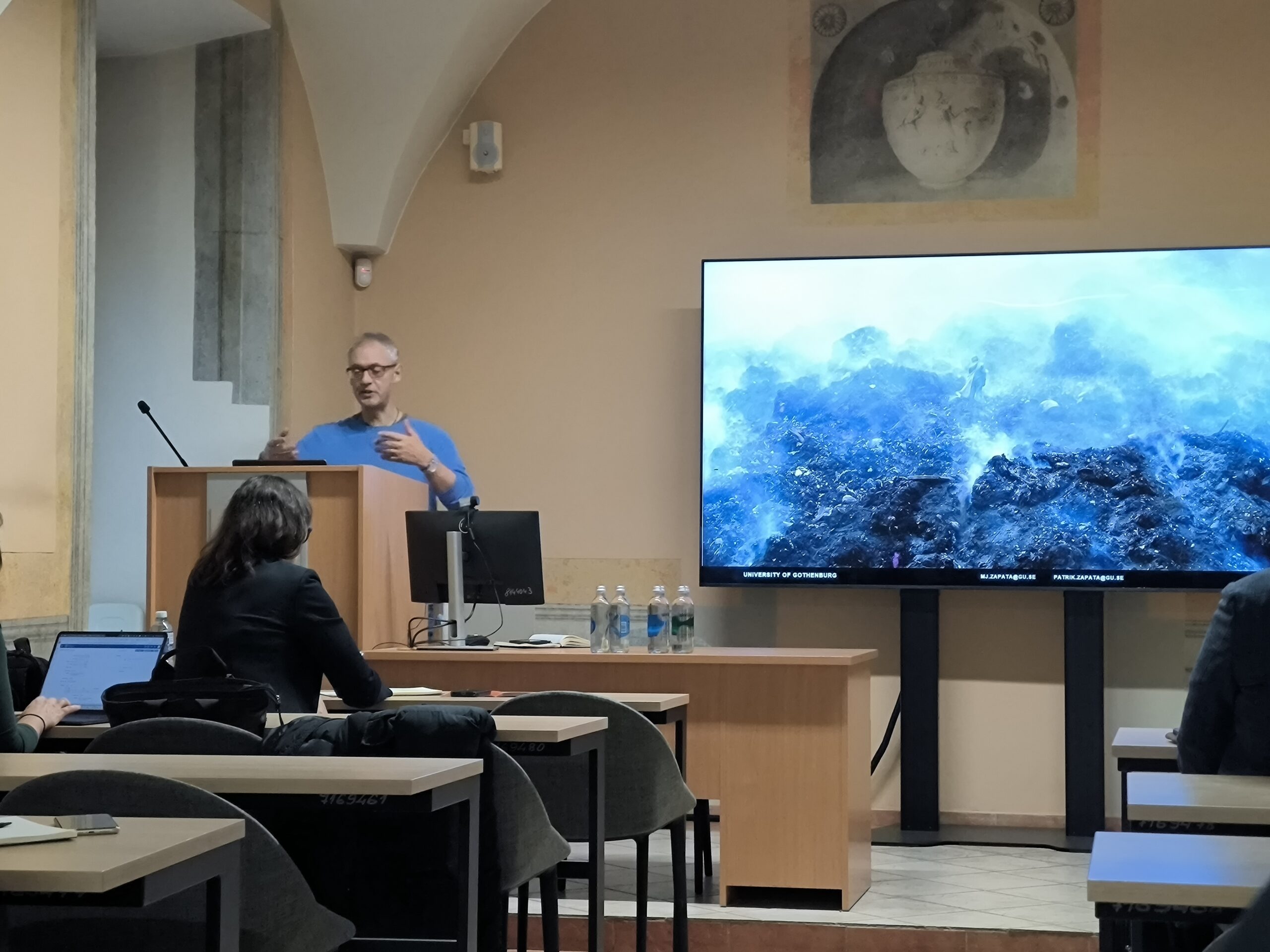
The focus then shifted to questions of art, memory, and resistance. Marko M. Marila (University of Turku) presented environmental art as a “principle of hope”, suggesting that anti-uranium rock carvings in Finland create emotional and ethical ties to threatened landscapes instead of enabling extractive projects. Francisco Martínez (University of Murcia) explored the ecological memory of Soviet-era mining in eastern Estonia, using art and ethnography to allow post-industrial waste to “speak” as a witness to infrastructural damage and social loss. María José Zapata Campos and Patrik Zapata (University of Gothenburg) examined the landfill of La Chureca in Nicaragua, showing how authoritarian forms of waste governance rely on technocratic enclosure, even as waste pickers sustain practices of commoning and everyday resistance. Kristupas Sabolius (Vilnius University, PAScapes) offered a philosophical perspective, proposing compost-ability as a way of thinking about waste not as an endpoint but as a condition for coexistence, in which new forms of life emerge through ongoing negotiation.
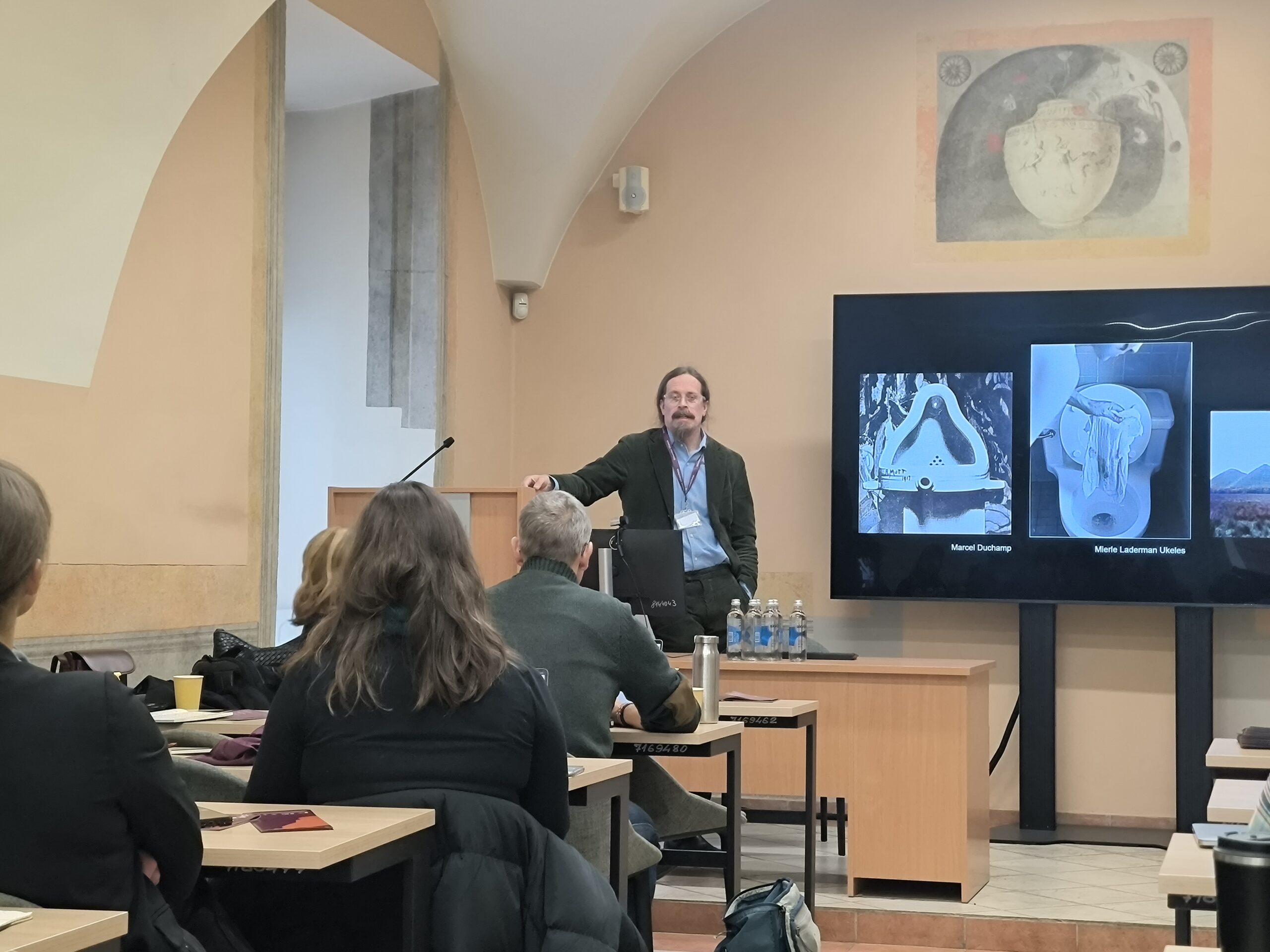
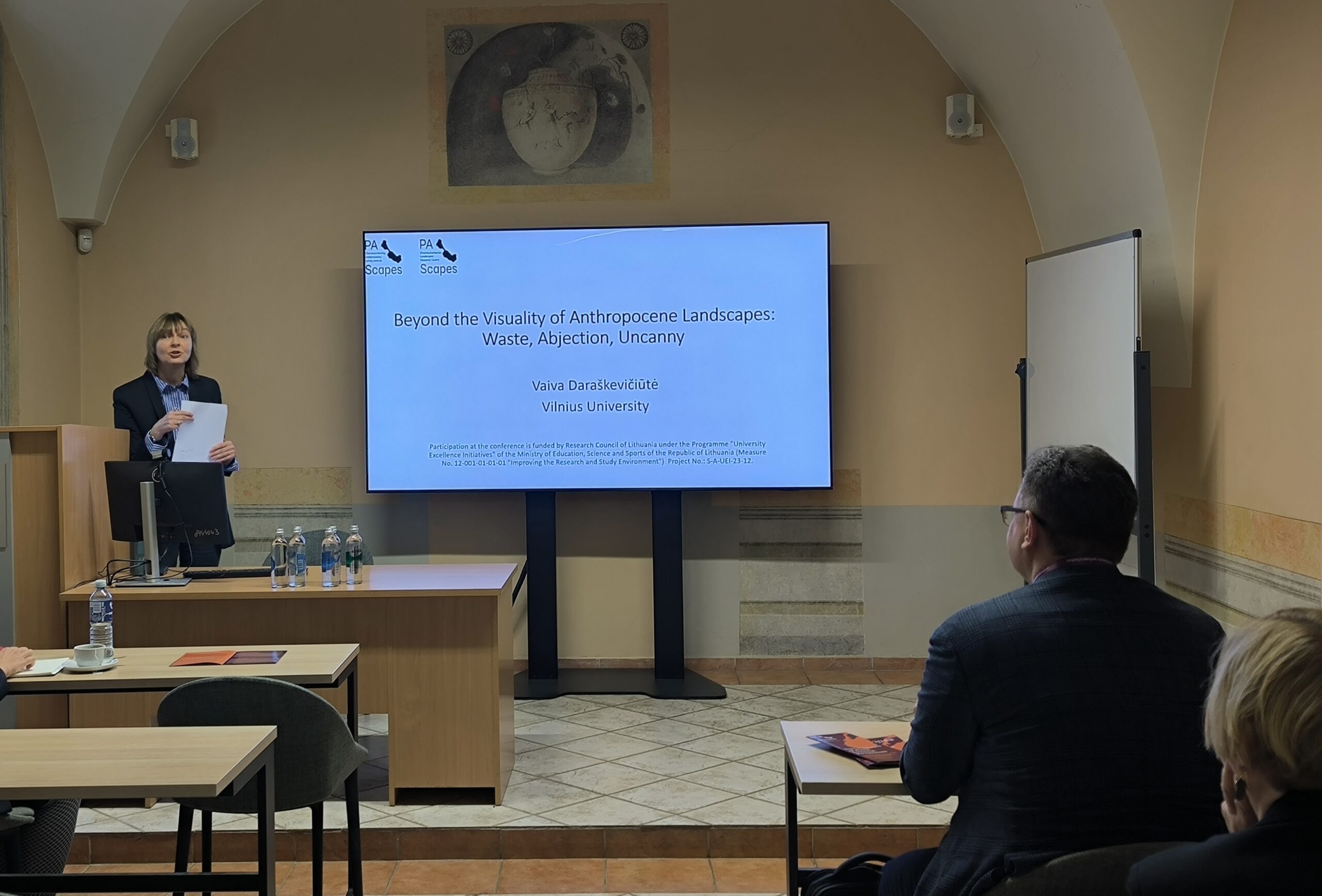
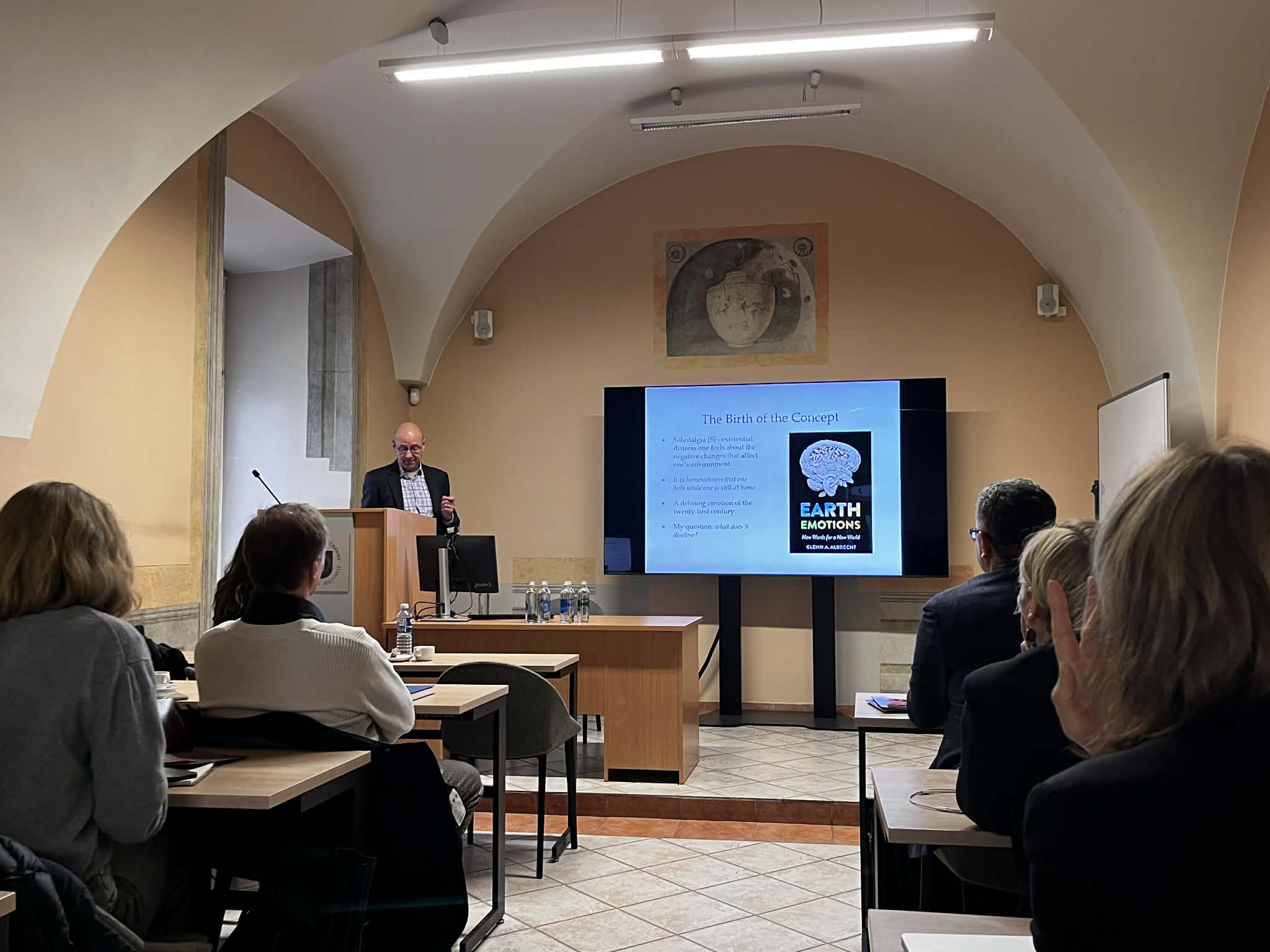
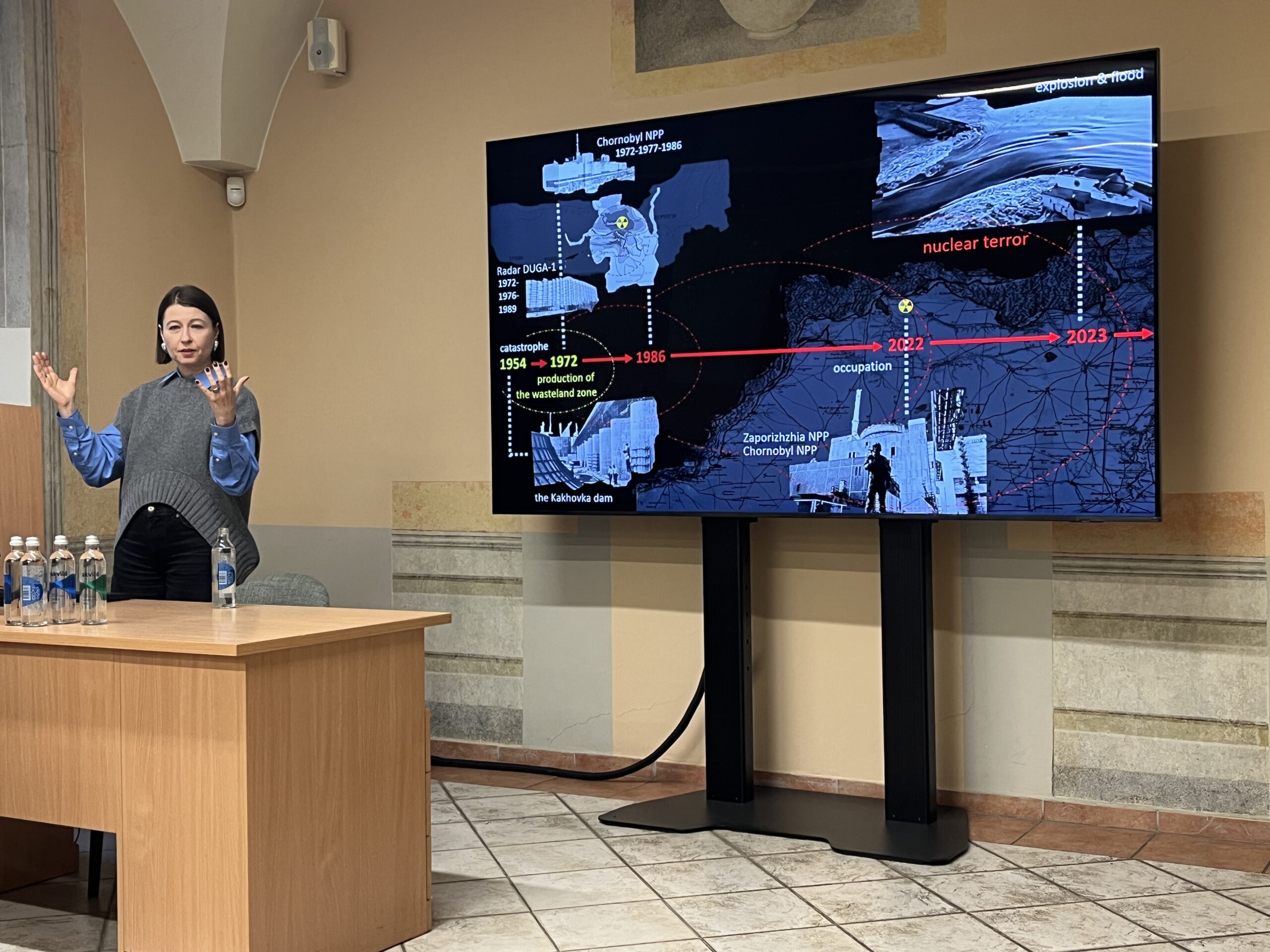
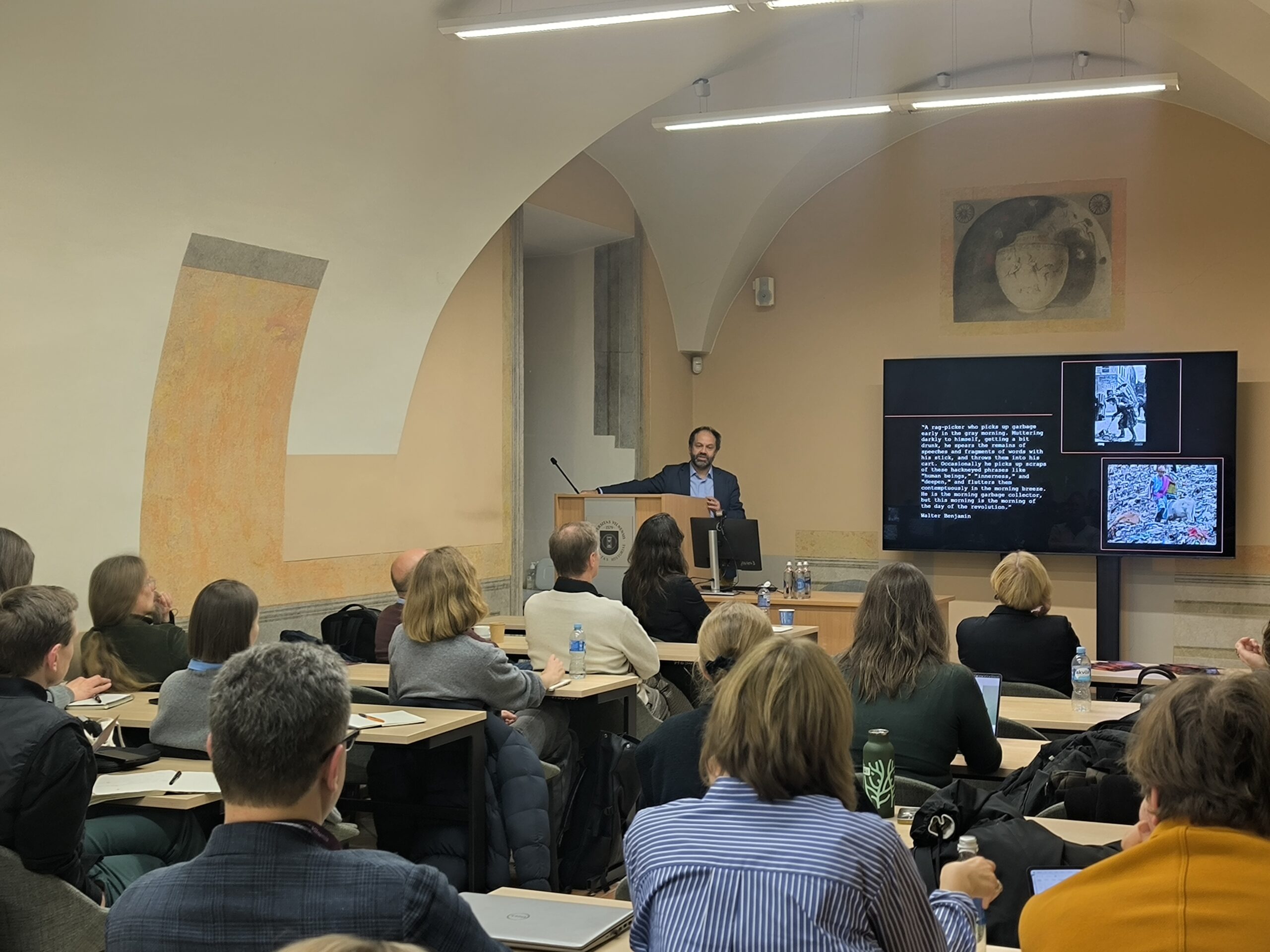
The final sessions brought together broader philosophical and cultural reflections. Vaiva Daraškevičiūtė (Vilnius University, PAScapes) argued for moving beyond purely visual readings of anthropocene landscapes, suggesting that waste should be understood through experiences of abjection and the uncanny, which reveal its unpredictability and its challenge to human-centered ways of seeing the world. Saulius Geniušas (The Chinese University of Hong Kong) revisited the concept of solastalgia, redefining it as a form of placelessness produced by environmental degradation rather than a simple feeling of homesickness. Svitlana Matviyenko (Simon Fraser University) addressed the deep temporal layers of warfare through the underground nuclear explosion at Yunokomunarivsk, showing how waste continues to act as an agent in both times of war and uneasy peace. The conference concluded with Nicolas de Warren (Pennsylvania State University), who reflected on literary imaginaries of ecological catastrophe and emphasized that such imaginaries may help us confront the disasters already unfolding around us.
More about the program and speakers: https://pascapes.lt/the-landscapes-of-waste-ecosocial-perspectives/
Written by Ineta Šuopytė-Butkienė